Flood Damage Cleanup
Cleanup and structural drying after larger-scale flooding from storms, overland water, or failed drainage — often multiple rooms or an entire floor at once.
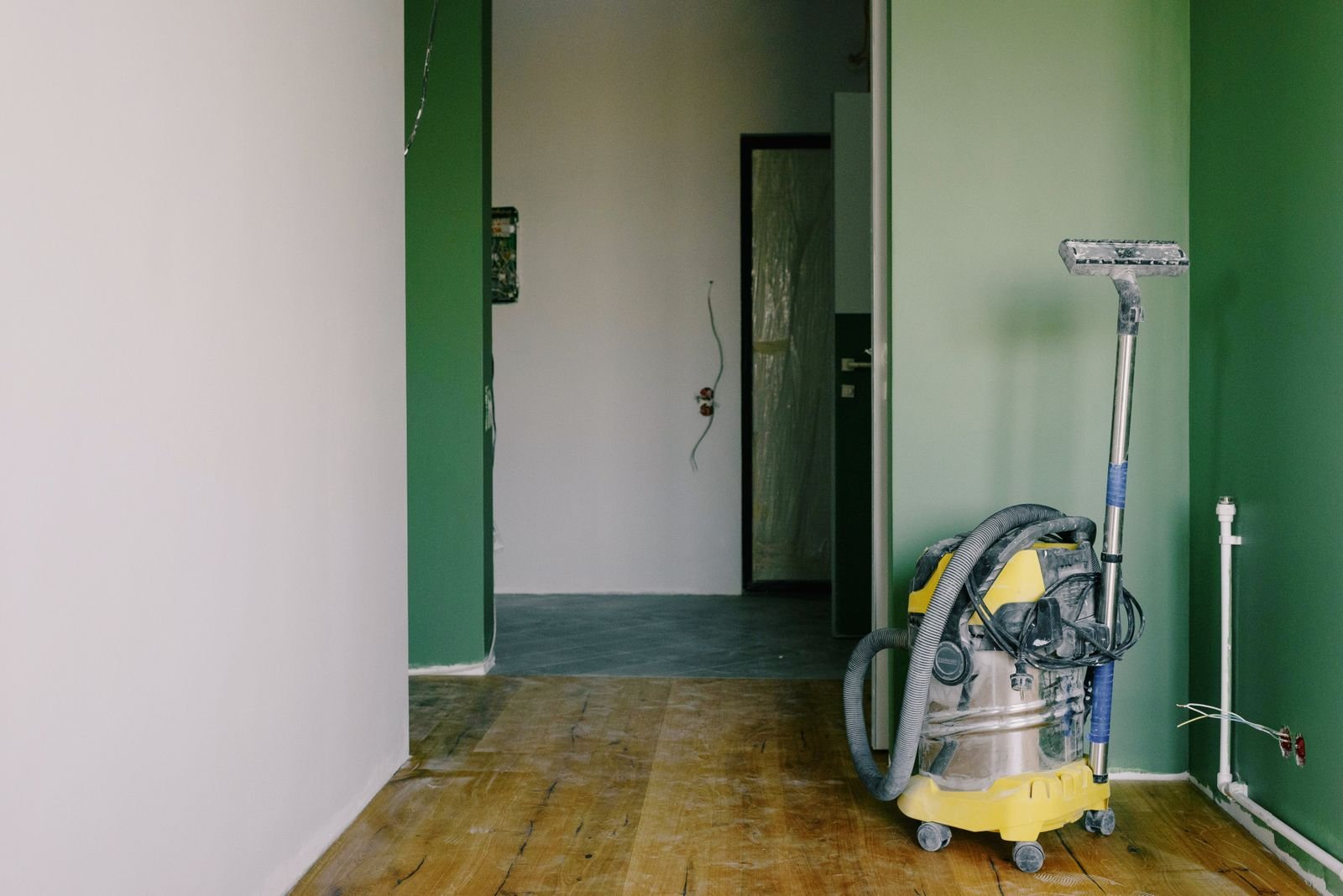
What flood damage cleanup actually involves
Flood damage cleanup covers the larger, multi-room water events that go beyond a single leak or burst pipe — storm-driven flooding, overland water from saturated ground, or a drainage failure that lets water into a home faster than it can be managed. These events usually affect more square footage, more types of material, and often more than one water category at once.
The scale changes the approach. Instead of one extraction zone and one drying setup, a flood cleanup usually means mapping several affected rooms separately, since water rarely spreads evenly — a garage might have an inch of standing water while an adjoining hallway only has wicking damage at the baseboards. Getting the map right before extraction starts is what keeps the drying plan efficient instead of guesswork.
Sacramento County sees this kind of event most often during multi-day atmospheric river storms, when saturated ground and overwhelmed drainage combine to push water into homes that handle a normal winter storm just fine.
What this service actually covers
- Room-by-room moisture mapping across every affected area
- High-capacity extraction scaled to the size of the loss
- A coordinated multi-room drying setup, not room-by-room in isolation
- Containment measures where more than one water category is present
- Assessment across multiple flooring and material types
- Full-scope documentation for larger insurance claims
Multi-room flood cleanup often runs a week or more of monitored drying, depending on how many rooms and material types are affected.
What usually leads to this
Multi-day storm systems
Atmospheric river storms that sit over the Central Valley for days saturate the ground and overwhelm drainage in a way a single heavy rain event usually doesn't.
Overland and surface water
Water moving across a yard toward a home — from poor grading, a neighboring property, or a overwhelmed street drain — can enter at multiple points at once.
Drainage and sump system failure
When the drainage a property relies on stops working during the exact storm it was built for, water backs up fast and finds every low entry point.
Multiple simultaneous plumbing failures
Less common but real — a main line break combined with a fixture failure during the same event can flood more of a home than either would alone.
Levee-adjacent and low-lying property risk
Properties near Sacramento County's flood-control infrastructure carry additional exposure during unusually wet years, even with the levee system doing its job most of the time.
What to look for
Water affecting more than one room
Once water has spread past its original source room, it's a flood cleanup, not a single-room extraction — the mapping and drying plan both need to change.
Water entering from more than one point
If water is coming in under a door and also seeping up through a slab, that's two separate paths that both need addressing.
Standing water outside as well as inside
Standing water in the yard right up against the foundation is a strong sign more water is on the way in, not just what's already inside.
Debris or sediment in the water
Overland floodwater often carries dirt, debris, or contaminants that clean supply-line water doesn't — a sign this is a higher water category than a typical indoor leak.
Multiple flooring types affected
Hardwood in one room, carpet in the next, tile in a third — each material dries differently, which is exactly why a coordinated flood cleanup plan matters more than treating each room in isolation.
What happens if this doesn't get addressed
Underestimating the scope
Treating a multi-room flood like a single-room leak usually means missing pockets of trapped moisture that surface as mold weeks later.
Cross-contamination between rooms
Moving equipment or walking between a contaminated area and a clean area without the right precautions can spread contamination further than the original water did.
Overwhelmed drying equipment
A larger flood needs proportionally more air movers and dehumidification capacity — underequipping a large loss just means a much longer drying timeline.
Structural damage across multiple systems
Flooring, drywall, insulation, and sometimes electrical systems can all be affected at once, and each needs its own assessment rather than a single blanket judgment call.
Insurance claim complexity
Larger losses draw more scrutiny from adjusters — thorough documentation matters even more when multiple rooms and material types are involved.
A flood cleanup runs the same core process room by room, with the inspection and moisture-mapping phase expanded to cover every affected area before extraction begins anywhere.
From the first call to a verified-dry home
This is the same nine-step sequence on every job, whether it's one bathroom or an entire floor — the scope changes, the process doesn't.
Inspection
We assess the source, the scope, and the water category before touching anything.
Moisture detection
Meters and thermal imaging map exactly where water has traveled, including inside walls and under floors.
Water extraction
Truck-mounted and portable extraction equipment pulls standing water fast.
Structural drying
Air movers and drying equipment target framing, subfloor, and drywall directly.
Dehumidification
Commercial dehumidifiers pull moisture out of the air so materials can actually release it.
Cleaning
Affected surfaces and belongings are cleaned as part of the drying process, not left for last.
Sanitizing
Antimicrobial treatment where the water category calls for it, to get ahead of mold and bacteria.
Repairs
Drywall, flooring, and trim replacement is coordinated once everything underneath is verified dry.
Final inspection
Moisture readings confirm the structure is back to a normal, stable level before we call it done.
Serving the greater Elk Grove & Sacramento area
Other Services
These often come up together with this job — no reason to juggle separate calls.
Water Damage Restoration
The full response — inspection, extraction, drying, and repair coordination — for any water event in a Sacramento County home or business.
See what's involved →
Emergency Water Removal
Fast, round-the-clock response to pull standing water out of your home before it spreads further or soaks into structural material.
See what's involved →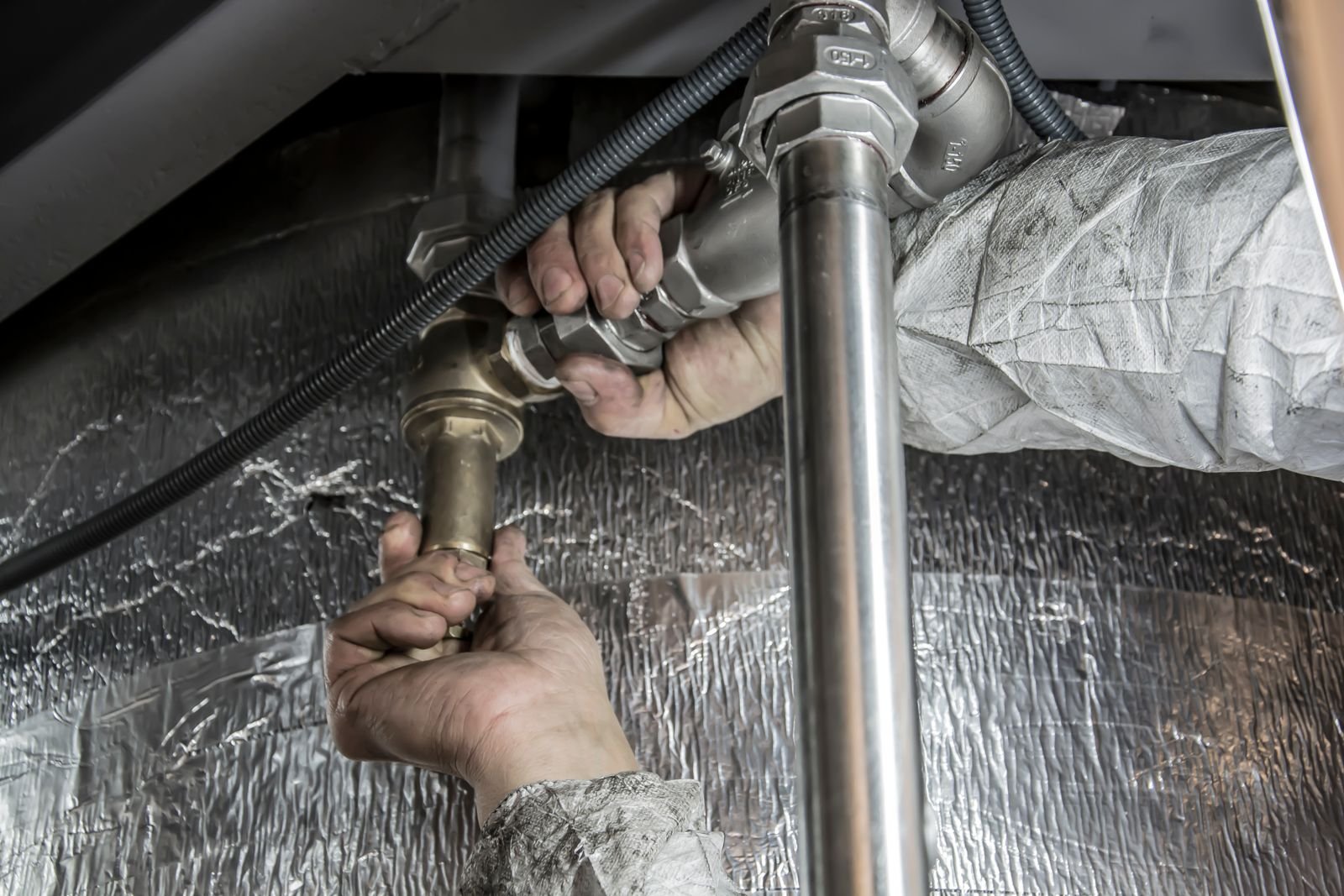
Burst Pipe Cleanup
Extraction, drying, and cleanup after a supply line or pipe failure — coordinated with your plumber, not in place of one.
See what's involved →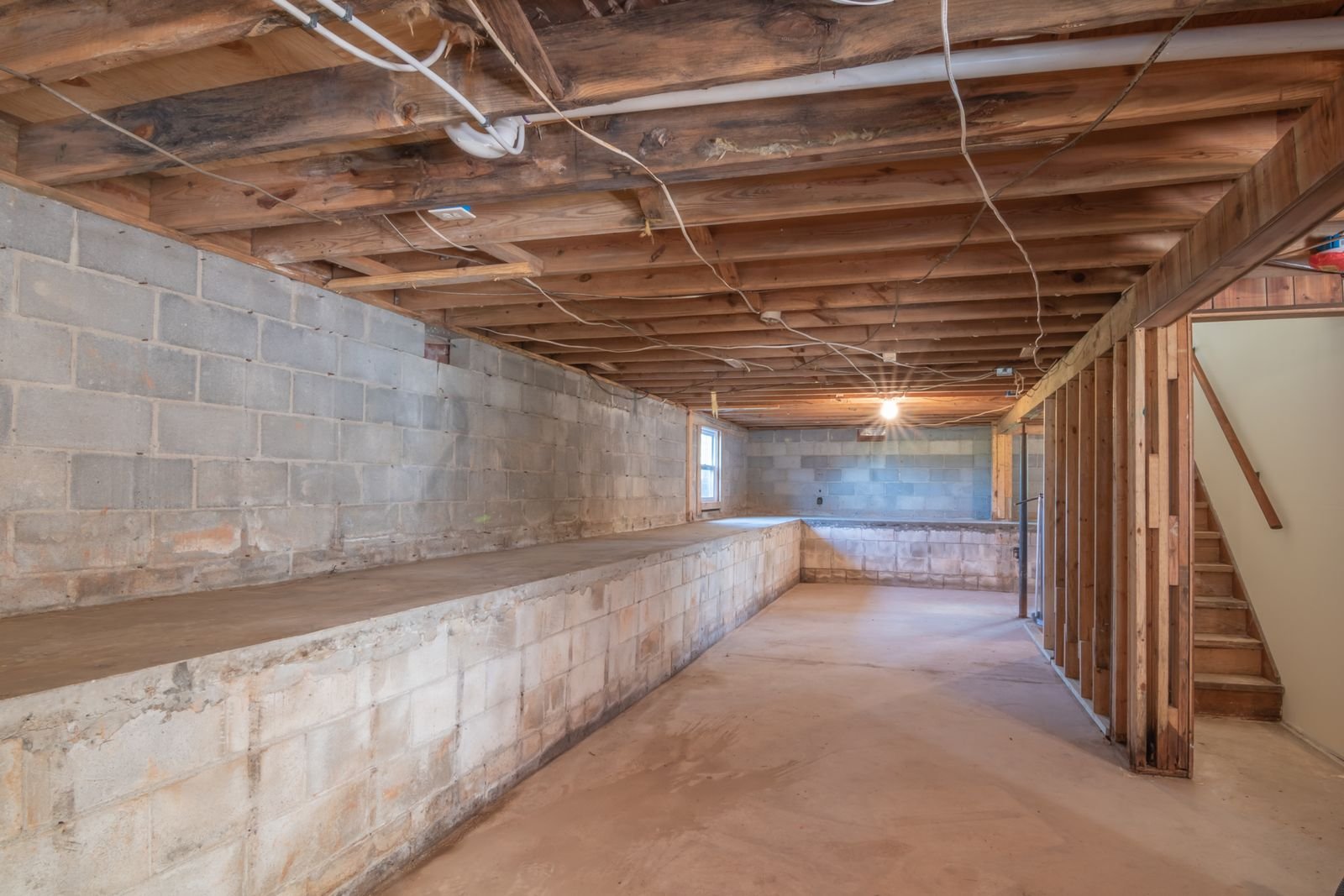
Basement Flood Cleanup
Extraction and structural drying for flooded basements, crawl spaces, and below-grade rooms — the areas most prone to trapped, lingering moisture.
See what's involved →
Ceiling Water Damage Repair
Drying and repair for water-stained, sagging, or leaking ceilings, usually tied to a roof leak or a plumbing failure on the floor above.
See what's involved →
Drywall Water Damage
Assessment, drying, and replacement of drywall that's been saturated, softened, or is already showing mold — with a clear read on what can be saved.
See what's involved →
Storm Damage Restoration
Water damage cleanup after wind-driven rain, roof intrusion, or flooding tied to a Sacramento County storm event.
See what's involved →
Structural Drying
Monitored, equipment-driven drying of framing, subfloor, insulation, and other structural material after any water event.
See what's involved →
Water Extraction
High-volume removal of standing water using truck-mounted and portable extraction equipment — the technical first step in any water damage response.
See what's involved →
Moisture Detection
Meter and thermal-imaging inspection to find hidden moisture behind walls, under flooring, and inside cavities — before it becomes a visible problem.
See what's involved →
Dehumidification Services
Commercial-grade dehumidification to pull residual moisture out of the air and structural material after extraction — the step that actually finishes the drying job.
See what's involved →
Mold Prevention After Water Damage
Antimicrobial treatment and monitored drying aimed at stopping mold before it has a chance to establish — the difference between a drying job and a remediation job.
See what's involved →
Commercial Water Damage Restoration
Fast-response extraction and drying for offices, retail spaces, and multi-unit properties, with a real focus on minimizing downtime.
See what's involved →
Residential Water Damage Restoration
The full extraction-to-repair process, scoped specifically for single-family homes and residential properties across Sacramento County.
See what's involved →Questions About Flood Damage Cleanup
Scale and coordination — a flood usually means multiple rooms, multiple material types, and sometimes multiple water sources, so the inspection and drying plan have to account for all of it together, not room by room in isolation.
Yes — larger losses are exactly what a full-scale extraction and drying setup is built for, with enough air movers and dehumidification capacity brought in to match the square footage.
It can be — overland water often carries dirt, debris, and contaminants that clean supply-line water doesn't, which changes how it's classified and handled.
Longer than a single-room job — often a week or more of monitored drying, depending on how many rooms and material types are involved.
Larger losses tend to get more scrutiny, which is exactly why thorough photo and moisture documentation across every affected room matters even more on a big claim.
Yes — the number of air movers and dehumidifiers scales with the square footage and severity, not a one-size-fits-all setup.
We'll check adjoining areas with moisture meters as part of the inspection — water travels further than it looks, and it's worth confirming rather than assuming a room is unaffected.
Yes — we'll move what we can out of the affected area and work around what has to stay, though heavily saturated furniture and belongings sometimes need to be assessed separately.
Water spreading right now? Call first, read later.
Every hour standing water sits is an hour it soaks deeper. We answer 24/7.
Tell us what's happening
We'll call or text back quickly with next steps and, for active water events, an arrival window the same day.
Phone: (916) 634-0972
Email: help@elkgrovewaterrestoration.com
Availability: Live 24/7 — water doesn't wait for business hours