Structural Drying
Monitored, equipment-driven drying of framing, subfloor, insulation, and other structural material after any water event.
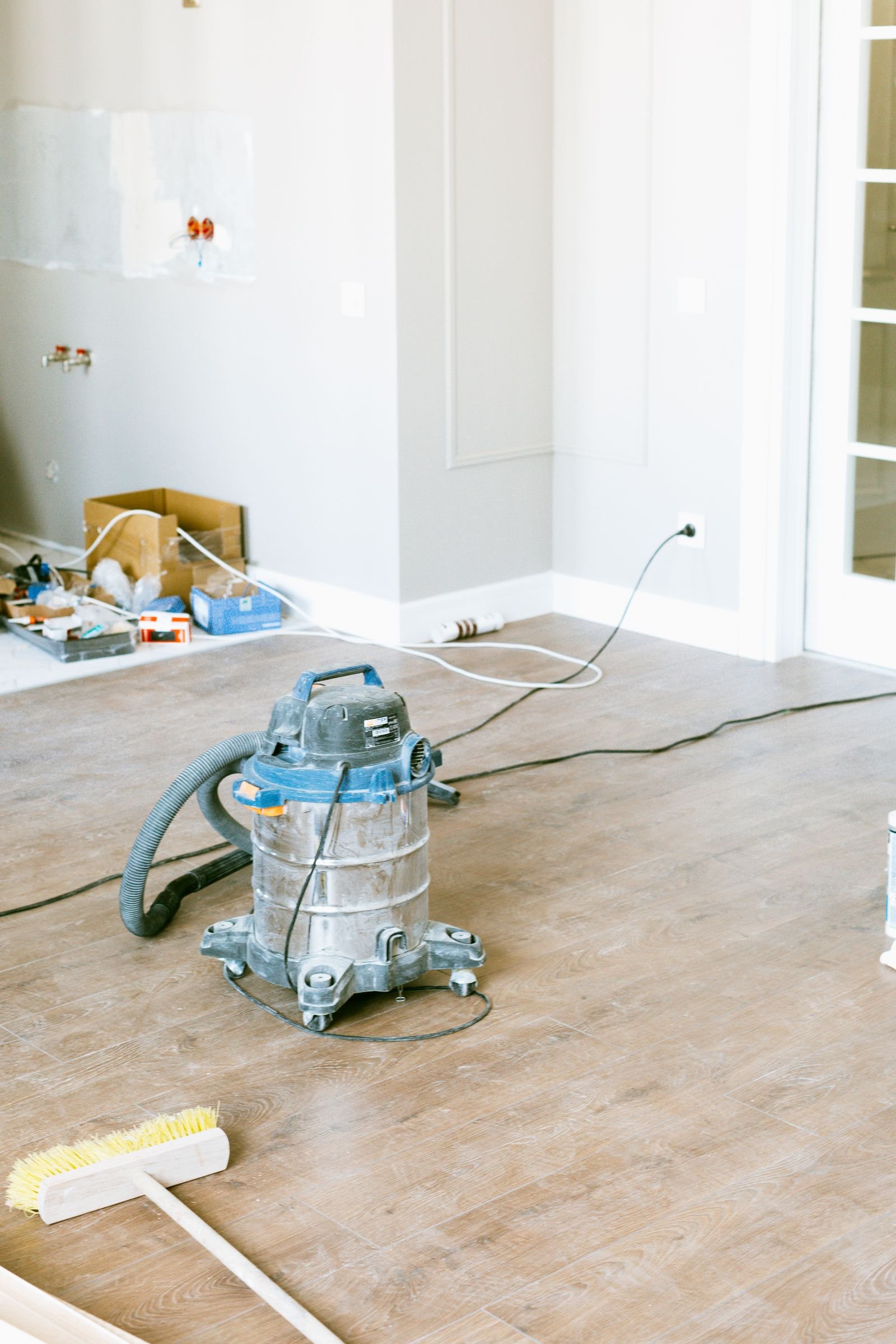
What structural drying actually involves
Structural drying is the phase of water damage restoration that happens after visible water is gone — it's the process of removing the moisture that's absorbed into framing, subfloor, drywall, and insulation, which isn't something a wet vac or a few days of open windows can accomplish on its own.
This is where a lot of DIY water damage response falls short. A room can look and feel dry within a day of a leak, while the wood framing behind the drywall is still well above a safe moisture content. Structural drying uses psychrometry — the science of how air temperature, humidity, and airflow interact — to actually pull that moisture out and verify it's gone, not just assume it based on how a surface feels.
We monitor structural drying with daily moisture readings against a documented drying goal, not a fixed number of days. Some materials dry in two days; others, especially engineered wood products or thick subfloor, can take a week or more even with equipment running continuously.
What this service actually covers
- Daily moisture readings against a documented dry standard
- Air mover and dehumidifier placement sized to the affected area
- Monitoring of framing, subfloor, and insulation specifically
- Equipment adjustments as materials respond over time
- A final verification reading before equipment comes down
- A written drying log for your records or insurance claim
Typical structural drying runs 3–5 days for standard framing and drywall; engineered wood, thick subfloor, or concrete can take meaningfully longer.
What usually leads to this
Any water event with material contact
Structural drying is needed anytime water has contacted framing, subfloor, drywall, or insulation — the water source varies, but the drying need is the same.
Prior inadequate drying
A common reason we get called in is a previous cleanup attempt — sometimes a DIY effort, sometimes another company — that dried the surface but left structural material still wet.
Delayed response to a leak
The longer water sits before extraction, the deeper it penetrates into structural material, which extends how long proper drying takes.
Dense or engineered building materials
Engineered wood, particleboard subfloor, and certain modern insulation types hold moisture differently than traditional lumber and need drying plans matched to the specific material.
Concrete and masonry involvement
Concrete slabs and masonry release moisture far more slowly than wood-frame construction, extending the structural drying timeline significantly.
What to look for
A room that "feels dry" but smells musty
Surface dryness with a lingering odor is one of the clearest signs structural material underneath is still holding moisture.
Flooring that's still slightly cool or damp underfoot
Subfloor holding moisture often keeps flooring above it feeling cooler or slightly damp compared to unaffected areas.
Previous water damage with no moisture readings taken
If a past water event was cleaned up without anyone actually measuring moisture content in the structure, there's no real confirmation it was ever fully dry.
Warping or movement in wood framing or trim
Wood that's still absorbing or releasing moisture can shift, warp, or crack even after it looks visually dry.
Mold appearing weeks after a "resolved" leak
Mold showing up well after a leak was supposedly fixed is a strong sign the structural drying step was skipped or incomplete the first time.
What happens if this doesn't get addressed
Wood rot and structural weakening
Framing that stays above a safe moisture content for an extended period is vulnerable to rot, which compromises structural strength permanently.
Mold establishing inside wall and floor cavities
Structural cavities are dark, often poorly ventilated, and exactly the environment mold needs — incomplete drying here is one of the most common causes of delayed mold problems.
Voided insurance coverage for secondary damage
Insurers can push back on claims for mold or structural damage that traces back to inadequate drying after an otherwise-covered water event.
Repeated flooring or drywall failures
Installing new flooring or drywall over structural material that's still wet just means the new material fails the same way, sooner than it should.
Ongoing musty odor and air quality issues
Structural moisture that's never fully resolved can affect indoor air quality throughout a home, not just the originally affected room.
Structural drying is the equipment-and-monitoring core of the full restoration process — everything before it (inspection, extraction) sets up the drying plan, and everything after it (repairs) depends on this step being verified complete, not assumed.
From the first call to a verified-dry home
This is the same nine-step sequence on every job, whether it's one bathroom or an entire floor — the scope changes, the process doesn't.
Inspection
We assess the source, the scope, and the water category before touching anything.
Moisture detection
Meters and thermal imaging map exactly where water has traveled, including inside walls and under floors.
Water extraction
Truck-mounted and portable extraction equipment pulls standing water fast.
Structural drying
Air movers and drying equipment target framing, subfloor, and drywall directly.
Dehumidification
Commercial dehumidifiers pull moisture out of the air so materials can actually release it.
Cleaning
Affected surfaces and belongings are cleaned as part of the drying process, not left for last.
Sanitizing
Antimicrobial treatment where the water category calls for it, to get ahead of mold and bacteria.
Repairs
Drywall, flooring, and trim replacement is coordinated once everything underneath is verified dry.
Final inspection
Moisture readings confirm the structure is back to a normal, stable level before we call it done.
Serving the greater Elk Grove & Sacramento area
Other Services
These often come up together with this job — no reason to juggle separate calls.
Water Damage Restoration
The full response — inspection, extraction, drying, and repair coordination — for any water event in a Sacramento County home or business.
See what's involved →
Emergency Water Removal
Fast, round-the-clock response to pull standing water out of your home before it spreads further or soaks into structural material.
See what's involved →
Burst Pipe Cleanup
Extraction, drying, and cleanup after a supply line or pipe failure — coordinated with your plumber, not in place of one.
See what's involved →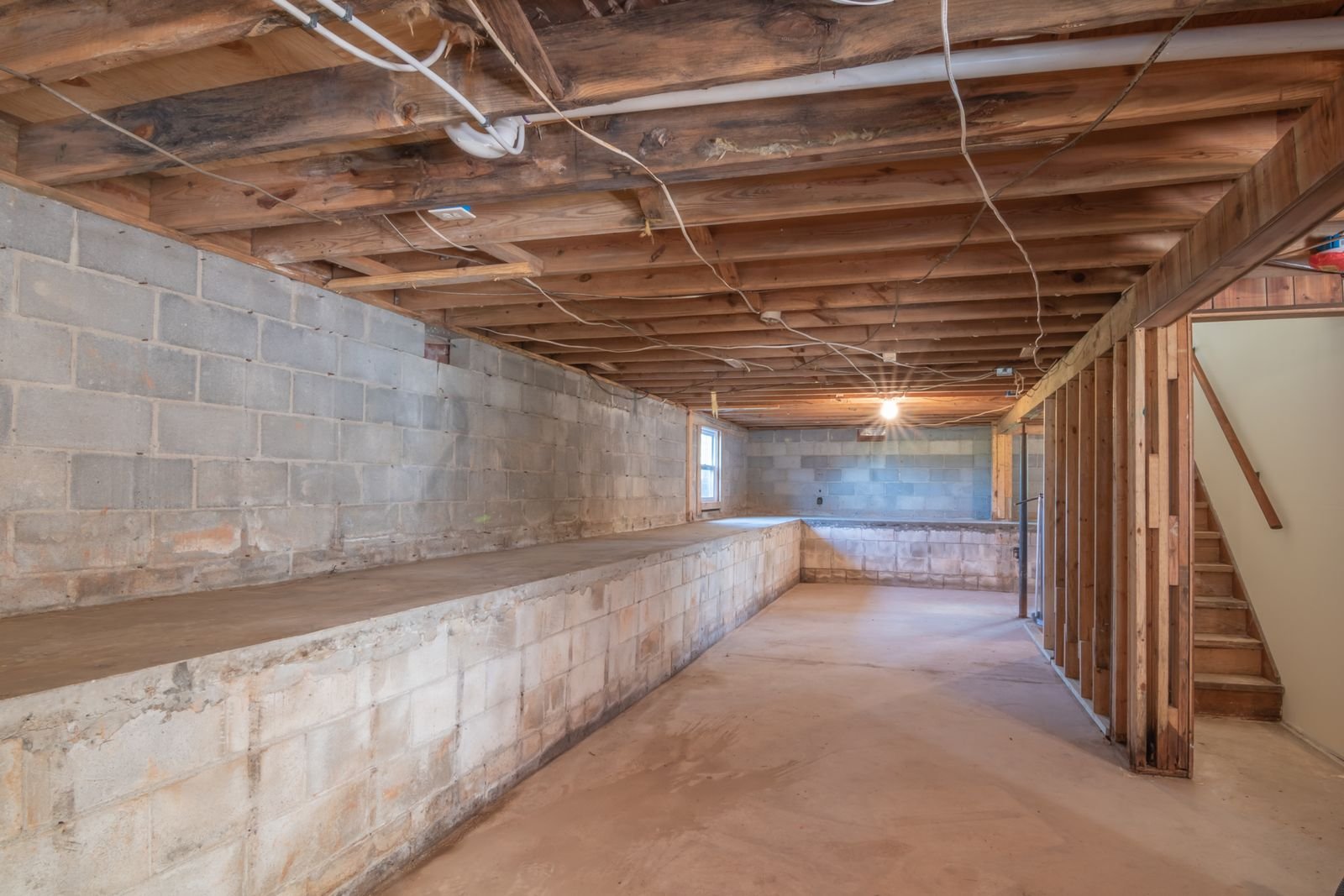
Basement Flood Cleanup
Extraction and structural drying for flooded basements, crawl spaces, and below-grade rooms — the areas most prone to trapped, lingering moisture.
See what's involved →
Flood Damage Cleanup
Cleanup and structural drying after larger-scale flooding from storms, overland water, or failed drainage — often multiple rooms or an entire floor at once.
See what's involved →
Ceiling Water Damage Repair
Drying and repair for water-stained, sagging, or leaking ceilings, usually tied to a roof leak or a plumbing failure on the floor above.
See what's involved →
Drywall Water Damage
Assessment, drying, and replacement of drywall that's been saturated, softened, or is already showing mold — with a clear read on what can be saved.
See what's involved →
Storm Damage Restoration
Water damage cleanup after wind-driven rain, roof intrusion, or flooding tied to a Sacramento County storm event.
See what's involved →
Water Extraction
High-volume removal of standing water using truck-mounted and portable extraction equipment — the technical first step in any water damage response.
See what's involved →
Moisture Detection
Meter and thermal-imaging inspection to find hidden moisture behind walls, under flooring, and inside cavities — before it becomes a visible problem.
See what's involved →
Dehumidification Services
Commercial-grade dehumidification to pull residual moisture out of the air and structural material after extraction — the step that actually finishes the drying job.
See what's involved →
Mold Prevention After Water Damage
Antimicrobial treatment and monitored drying aimed at stopping mold before it has a chance to establish — the difference between a drying job and a remediation job.
See what's involved →
Commercial Water Damage Restoration
Fast-response extraction and drying for offices, retail spaces, and multi-unit properties, with a real focus on minimizing downtime.
See what's involved →
Residential Water Damage Restoration
The full extraction-to-repair process, scoped specifically for single-family homes and residential properties across Sacramento County.
See what's involved →Questions About Structural Drying
Daily moisture readings compared against a dry standard — typically the moisture content of unaffected material in the same structure — not a fixed number of days.
In most residential cases, yes — equipment runs in the affected area while the rest of the home stays functional.
Fans alone move air but don't control humidity — without dehumidification, the moisture pulled out of materials just raises the humidity in the room and slows further drying. Commercial dehumidifiers are what actually remove that moisture from the space.
It usually means either the water source wasn't fully addressed, the equipment setup needs adjusting, or a material (like thick subfloor or concrete) genuinely needs more time — we'll walk through which it is with actual readings, not a guess.
The whole point of structural drying is the material you can't see from the surface — framing, subfloor, and insulation are exactly what this process targets.
Air movers and dehumidifiers do produce ongoing noise while running — most residential setups are manageable to live with, but it's worth knowing upfront rather than being surprised by it.
Significantly — drywall and standard lumber framing often dry in a few days, while engineered wood, thick subfloor, and concrete can take a week or considerably longer.
Opening windows or running household fans can help marginally in low-humidity weather, but without commercial-grade dehumidification and properly placed air movement, it's not a substitute for a monitored drying setup.
Water spreading right now? Call first, read later.
Every hour standing water sits is an hour it soaks deeper. We answer 24/7.
Tell us what's happening
We'll call or text back quickly with next steps and, for active water events, an arrival window the same day.
Phone: (916) 634-0972
Email: help@elkgrovewaterrestoration.com
Availability: Live 24/7 — water doesn't wait for business hours