Basement Flood Cleanup
Extraction and structural drying for flooded basements, crawl spaces, and below-grade rooms — the areas most prone to trapped, lingering moisture.
What basement flood cleanup actually involves
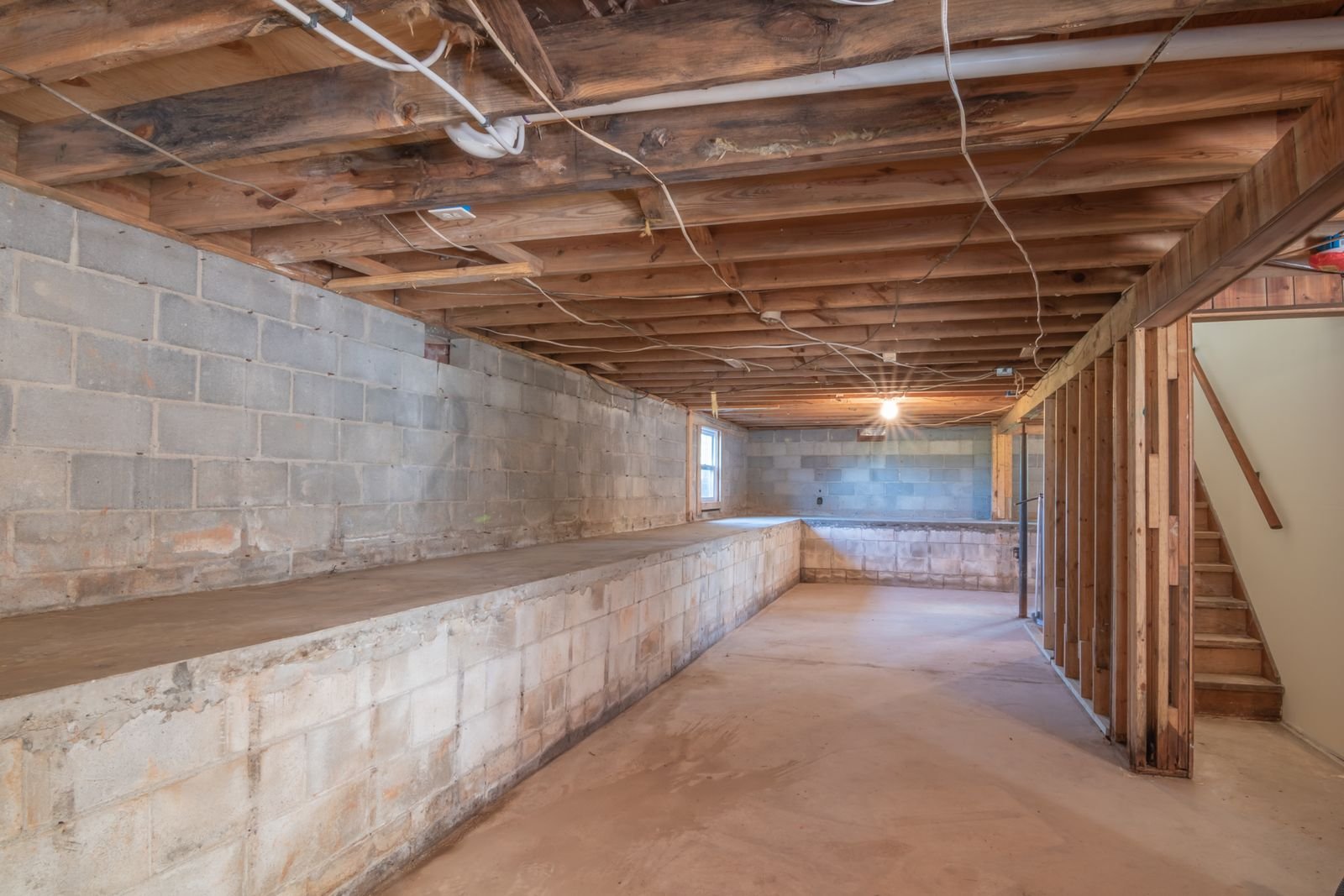
Basements and other below-grade spaces flood differently than the rest of a house. Water finds them from more directions — groundwater pressure through foundation walls, storm runoff, a failed sump pump, or a supply line break upstairs that drains straight down — and once it's there, it doesn't have gravity working in its favor to drain back out.
A lot of Elk Grove homes don't have true basements, but plenty of Sacramento-area properties do, along with crawl spaces and below-grade utility rooms that flood the same way. These spaces are also where standing water tends to sit the longest before anyone notices, since they're not part of daily foot traffic.
Basement flood cleanup means getting standing water out fast, then running a drying process that accounts for concrete's slow release rate — concrete holds moisture longer than wood or drywall and needs more time and monitoring to fully dry, not just look dry on the surface.
Finished basements add another layer to the job. Drywall, carpet, and framed walls built out over a concrete foundation can look completely fine on the surface while trapping water against the foundation wall behind them — which is why moisture readings, not a visual check, decide what actually needs to come out.
What this service actually covers
- Standing water extraction from the lowest point in the space
- Assessment of finished walls, flooring, and stored belongings
- Extended monitored drying suited to concrete's slow release rate
- Dehumidification sized for below-grade humidity levels
- Antimicrobial treatment given basements' higher mold risk
- Documentation of the suspected source for any follow-up repair
Basement drying typically runs 5–7 days given how slowly concrete and block release moisture — longer than a standard above-grade room.
What usually leads to this
Sump pump failure
A sump pump that fails during heavy rain — from a power outage, a stuck float switch, or the pump simply wearing out — leaves a basement with no way to handle incoming groundwater.
Foundation cracks and hydrostatic pressure
Heavy, saturated soil around a foundation pushes water through even hairline cracks in a basement wall or floor, especially after an extended stretch of rain.
Storm and surface water intrusion
Poor grading, clogged gutters, or a heavy storm can send surface water toward a foundation faster than the drainage around it was designed to move it away.
Plumbing failures on floors above
A burst pipe or overflowing fixture on a main floor often ends up draining straight down into the basement below, arriving as a fully formed flood rather than a slow drip.
Sewer backups
Basements and below-grade rooms are usually the lowest point in a home's drain system, which makes them the first place a sewer backup shows up.
Window well and egress leaks
A basement window well without proper drainage can fill with rainwater during a heavy storm and overflow directly against the window seal.
What to look for
A musty smell that gets stronger going downstairs
Basements are naturally more humid than the rest of a house, and a strong, worsening musty odor usually means moisture has been sitting there for a while.
Efflorescence — white, chalky residue on concrete walls
That powdery white deposit is mineral residue left behind after water has moved through concrete and evaporated, and it's a reliable sign of ongoing moisture intrusion.
Visible water lines or staining on walls
A horizontal stain a few inches up a foundation wall usually marks how high standing water reached during a past event.
Rust on metal fixtures, ductwork, or appliances
Persistent dampness accelerates corrosion on anything metal stored or installed in a basement, often before the moisture itself is otherwise obvious.
A sump pump running constantly or not at all
Either extreme — a pump that never seems to shut off, or one that's gone silent during a storm — is worth investigating immediately.
Peeling paint or bubbling on basement walls
Paint failing on a below-grade wall is often one of the earliest visible signs that moisture is moving through the concrete from the outside in.
What happens if this doesn't get addressed
Long-term structural weakening
Repeated flooding cycles stress a foundation over time, and saturated framing above a flooded basement can weaken even if the concrete itself holds up.
Mold colonization in low-airflow spaces
Basements already have less natural airflow than the rest of a house, which makes them one of the fastest places for mold to establish once they're wet.
Damage to stored belongings and mechanical systems
Basements are common storage for furnaces, water heaters, electrical panels, and personal belongings — all of which are vulnerable to standing water.
Trapped moisture behind finished walls
A finished basement with drywall and insulation over the concrete can trap water against the foundation wall long after the visible flooring looks dry.
Recurring flooding without addressing the source
Drying a basement without identifying why it flooded in the first place — grading, a failed sump pump, a foundation crack — just resets the clock until the next storm.
Reduced usable space
A basement that floods repeatedly often ends up permanently underused — storage moved out, finished space left unfinished — simply because nobody trusts it to stay dry.
Basement drying follows the same core process as any water damage job, but with longer monitoring — concrete and masonry release moisture slowly, so we track readings over days, not hours, before calling a below-grade space fully dry.
From the first call to a verified-dry home
This is the same nine-step sequence on every job, whether it's one bathroom or an entire floor — the scope changes, the process doesn't.
Inspection
We assess the source, the scope, and the water category before touching anything.
Moisture detection
Meters and thermal imaging map exactly where water has traveled, including inside walls and under floors.
Water extraction
Truck-mounted and portable extraction equipment pulls standing water fast.
Structural drying
Air movers and drying equipment target framing, subfloor, and drywall directly.
Dehumidification
Commercial dehumidifiers pull moisture out of the air so materials can actually release it.
Cleaning
Affected surfaces and belongings are cleaned as part of the drying process, not left for last.
Sanitizing
Antimicrobial treatment where the water category calls for it, to get ahead of mold and bacteria.
Repairs
Drywall, flooring, and trim replacement is coordinated once everything underneath is verified dry.
Final inspection
Moisture readings confirm the structure is back to a normal, stable level before we call it done.
Serving the greater Elk Grove & Sacramento area
Other Services
These often come up together with this job — no reason to juggle separate calls.
Water Damage Restoration
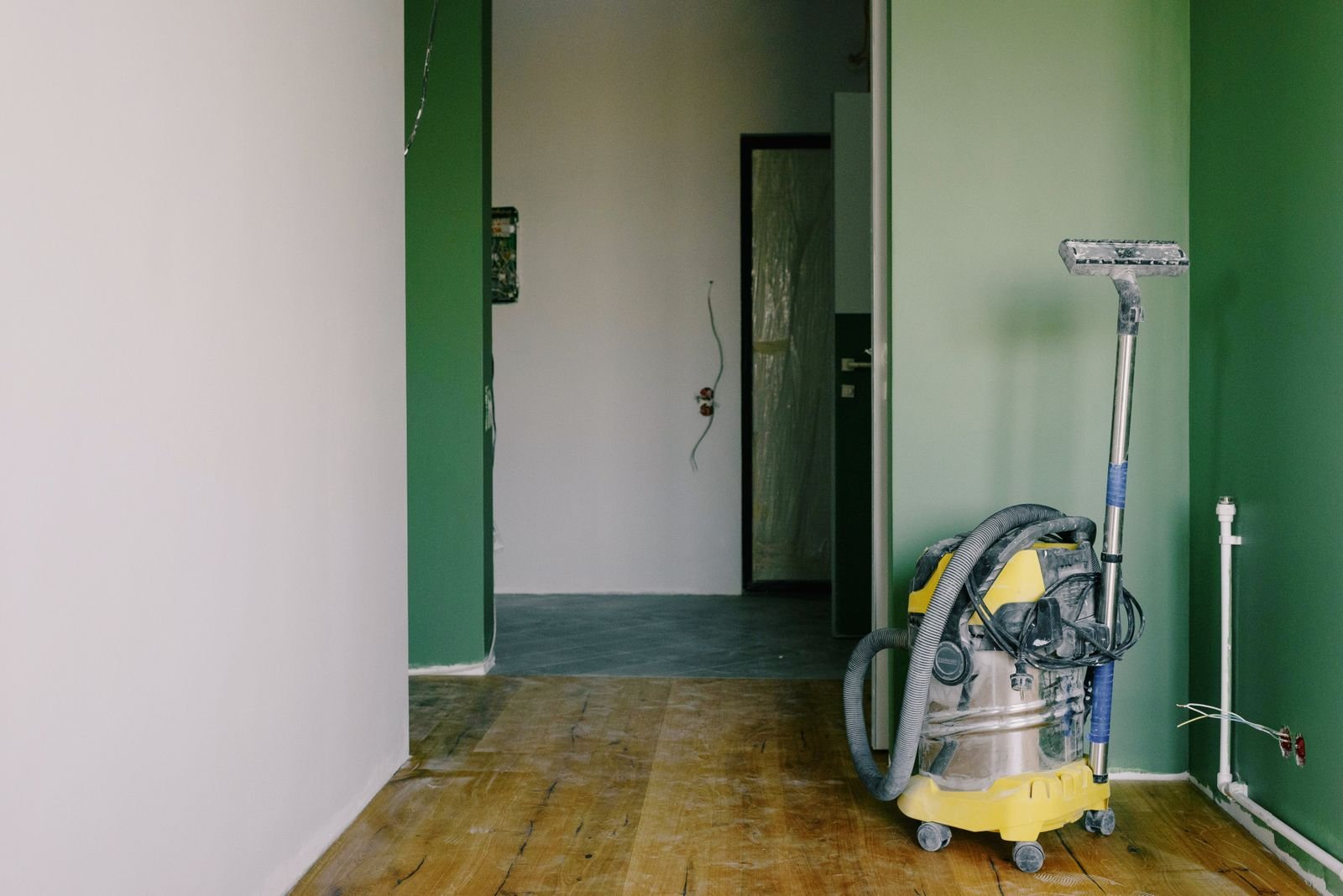
The full response — inspection, extraction, drying, and repair coordination — for any water event in a Sacramento County home or business.
See what's involved →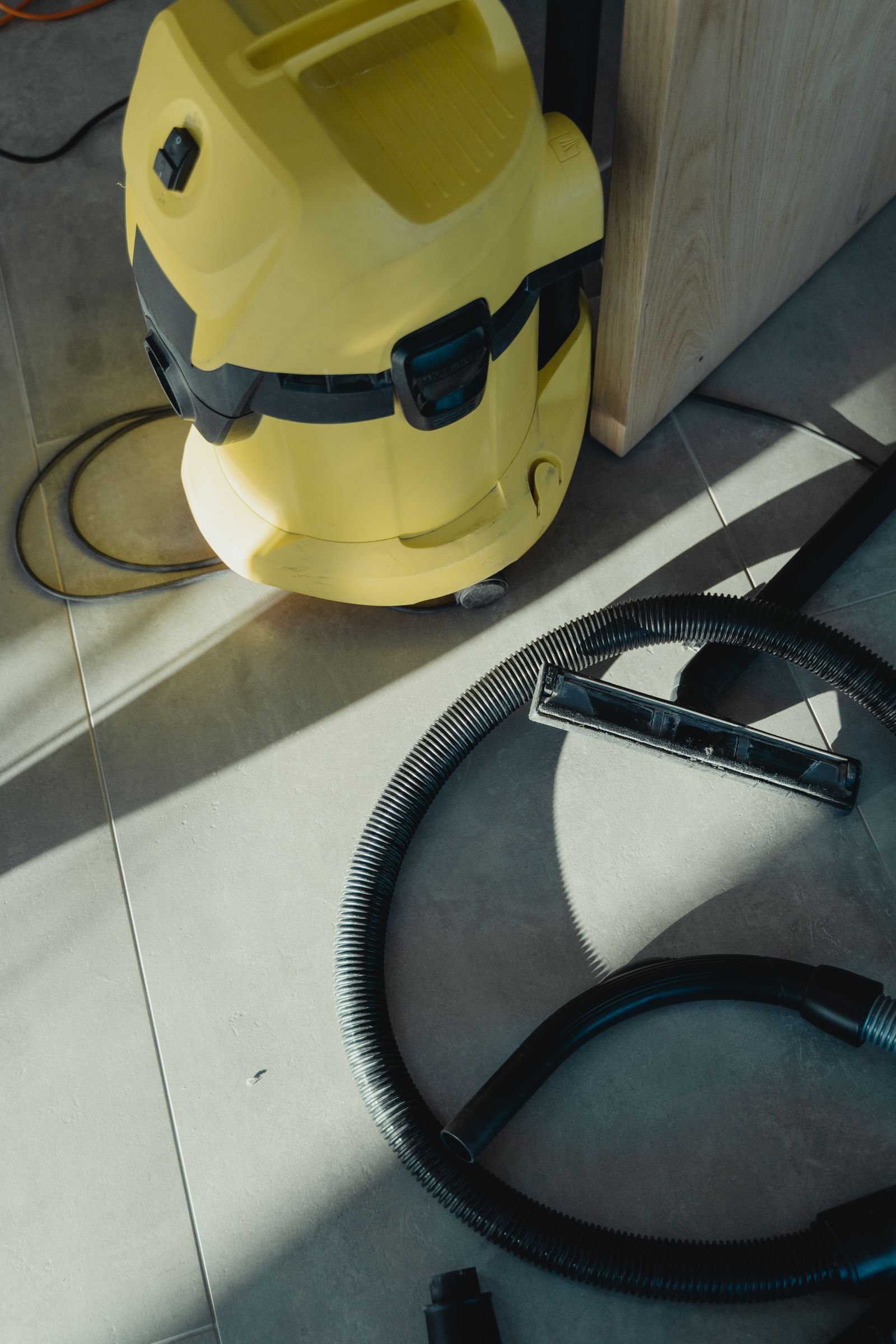
Emergency Water Removal
Fast, round-the-clock response to pull standing water out of your home before it spreads further or soaks into structural material.
See what's involved →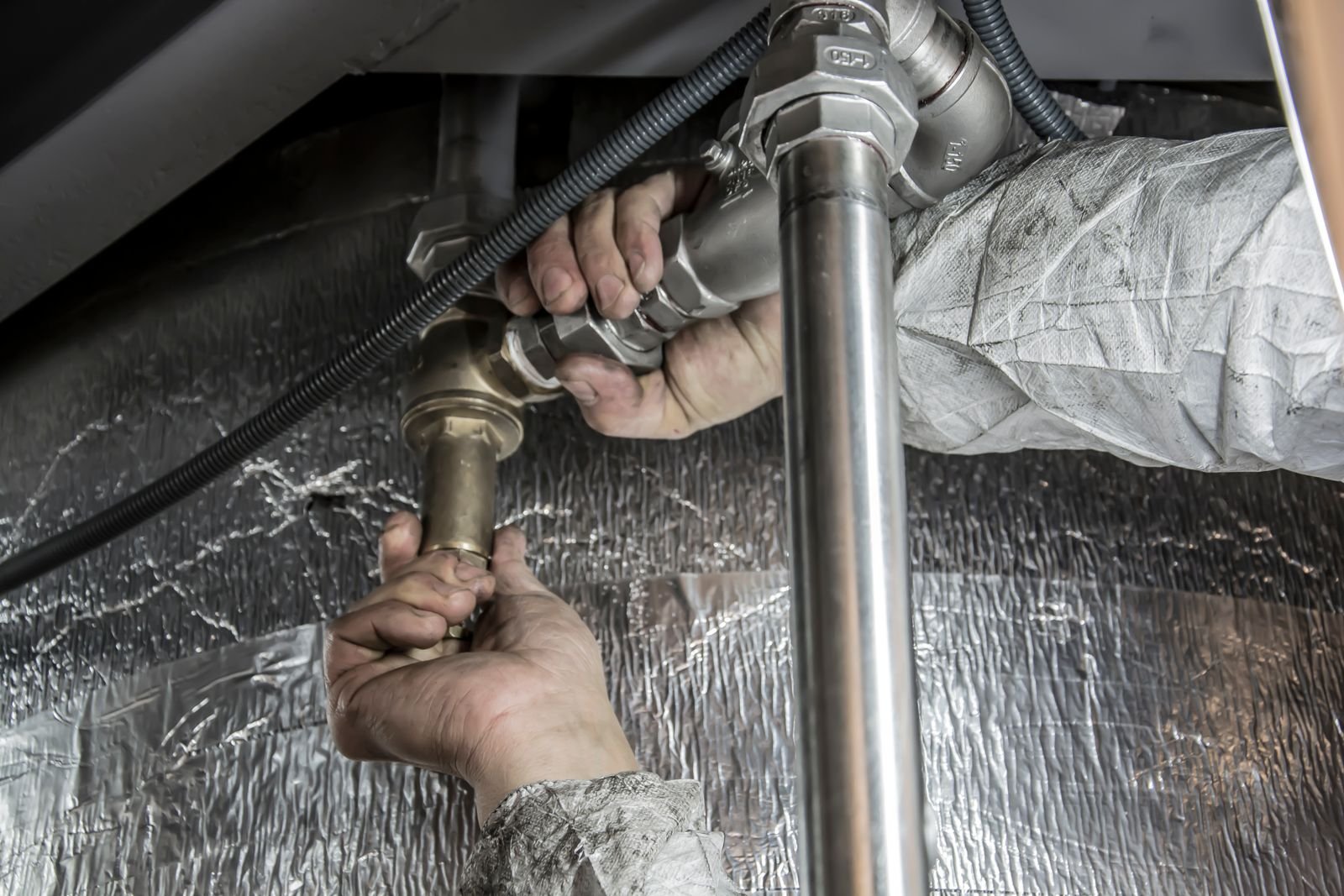
Burst Pipe Cleanup
Extraction, drying, and cleanup after a supply line or pipe failure — coordinated with your plumber, not in place of one.
See what's involved →
Flood Damage Cleanup
Cleanup and structural drying after larger-scale flooding from storms, overland water, or failed drainage — often multiple rooms or an entire floor at once.
See what's involved →
Ceiling Water Damage Repair
Drying and repair for water-stained, sagging, or leaking ceilings, usually tied to a roof leak or a plumbing failure on the floor above.
See what's involved →
Drywall Water Damage
Assessment, drying, and replacement of drywall that's been saturated, softened, or is already showing mold — with a clear read on what can be saved.
See what's involved →
Storm Damage Restoration
Water damage cleanup after wind-driven rain, roof intrusion, or flooding tied to a Sacramento County storm event.
See what's involved →
Structural Drying
Monitored, equipment-driven drying of framing, subfloor, insulation, and other structural material after any water event.
See what's involved →
Water Extraction
High-volume removal of standing water using truck-mounted and portable extraction equipment — the technical first step in any water damage response.
See what's involved →
Moisture Detection
Meter and thermal-imaging inspection to find hidden moisture behind walls, under flooring, and inside cavities — before it becomes a visible problem.
See what's involved →
Dehumidification Services
Commercial-grade dehumidification to pull residual moisture out of the air and structural material after extraction — the step that actually finishes the drying job.
See what's involved →
Mold Prevention After Water Damage
Antimicrobial treatment and monitored drying aimed at stopping mold before it has a chance to establish — the difference between a drying job and a remediation job.
See what's involved →
Commercial Water Damage Restoration
Fast-response extraction and drying for offices, retail spaces, and multi-unit properties, with a real focus on minimizing downtime.
See what's involved →
Residential Water Damage Restoration
The full extraction-to-repair process, scoped specifically for single-family homes and residential properties across Sacramento County.
See what's involved →Questions About Basement Flood Cleanup
Longer than most rooms above grade — concrete and block walls hold and release moisture slowly, so a basement drying job often runs 5–7 days of monitored equipment time rather than the 3–5 typical elsewhere in a house.
Sometimes — it depends on how much water was involved and how long it sat. We use moisture meters to check whether insulation and drywall behind the finished surface are still salvageable before recommending removal.
We'll document what we can see — a foundation crack, a failed sump pump, grading issues — and flag it, though a full root-cause fix for the source usually involves a foundation or drainage specialist.
It depends heavily on the cause — sudden plumbing failure is typically covered, while groundwater flooding or sewer backup often requires separate coverage. We can help document the loss either way.
If it's safe to do so, move anything you can lift out of standing water — but leave the extraction and structural drying to equipment built for it rather than trying to dry a basement with household fans.
Yes — crawl spaces flood and trap moisture the same way basements do, just with tighter clearance, and we bring equipment suited to that kind of confined space.
Yes — HVAC systems often pull return air from or near a basement, which can circulate musty, mold-affected air throughout the rest of the house if the basement isn't dried properly.
A single storm event with an isolated cause is different from a basement that takes on water every heavy rain — if it's happened more than once, it's worth having the underlying cause looked at, not just the water cleaned up again.
Water spreading right now? Call first, read later.
Every hour standing water sits is an hour it soaks deeper. We answer 24/7.
Tell us what's happening
We'll call or text back quickly with next steps and, for active water events, an arrival window the same day.
Phone: (916) 634-0972
Email: help@elkgrovewaterrestoration.com
Availability: Live 24/7 — water doesn't wait for business hours