Moisture Detection
Meter and thermal-imaging inspection to find hidden moisture behind walls, under flooring, and inside cavities — before it becomes a visible problem.
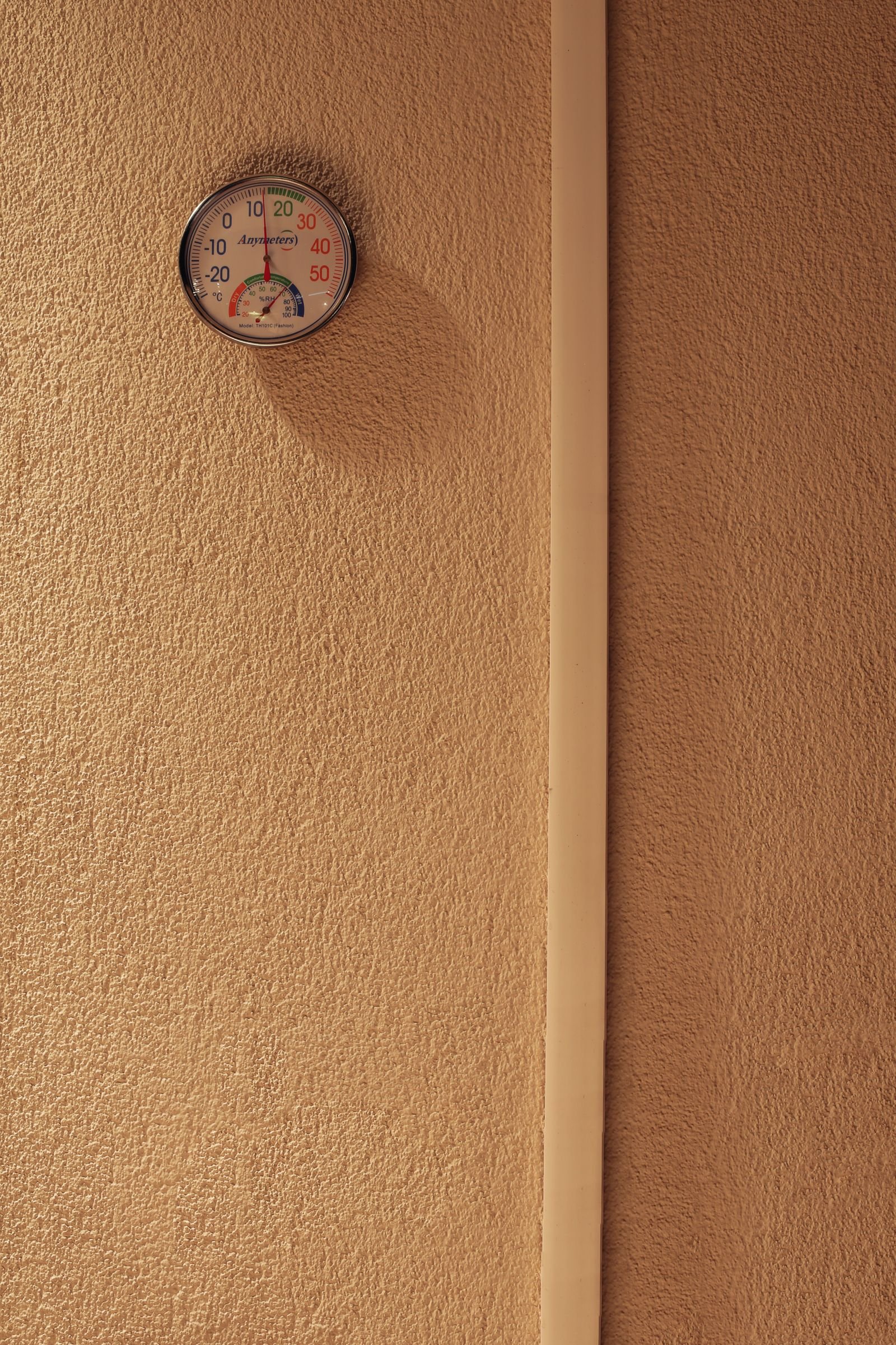
What moisture detection actually involves
Moisture detection is how we find water damage that isn't visible yet — behind a wall, under flooring, or inside a ceiling cavity — using moisture meters and thermal imaging rather than guesswork. It's the diagnostic step that makes every other part of restoration accurate instead of approximate.
Two tools do most of the work. Moisture meters give a direct reading of moisture content in a specific material, either by pressing pins into the surface or scanning non-invasively. Thermal imaging cameras show temperature differences across a surface — since wet material behaves differently thermally than dry material, this lets us scan a large area quickly to find where a more detailed meter reading is actually needed.
Moisture detection matters most in two situations: confirming the true extent of an active water event before starting extraction and drying, and investigating a suspected hidden leak — a musty smell, an unexplained water bill increase, or a stain with no obvious cause — before it becomes a visible, larger problem.
What this service actually covers
- Thermal imaging scan of suspect areas
- Pin and non-invasive moisture meter readings
- Mapping the full extent of a known leak
- Investigation of a suspected but unconfirmed hidden leak
- A written report with photos and readings
- Recommendations for next steps based on what's found
A single-area inspection usually takes under an hour; a whole-house inspection for a less clear-cut concern can take longer.
What usually leads to this
Suspected hidden leaks
A musty odor, an unexplained rise in the water bill, or a vague sense that something's off without visible water are all reasons to bring in moisture detection before the problem becomes visible.
Confirming the full extent of a known leak
Even an obvious leak often extends further than what's visible — moisture detection maps the true boundary so nothing gets missed during drying.
Pre-purchase or pre-sale inspections
Homeowners and buyers sometimes want a moisture inspection on a home with a history of water issues, or before finishing a basement or renovating over an area with prior water exposure.
Verifying a previous repair was fully dried
If a past water event was addressed by someone else and there's any doubt it was fully dried, a moisture inspection gives a real answer instead of a guess.
Insurance documentation requirements
Some claims benefit from documented moisture readings as evidence of the extent of damage, beyond photos alone.
What to look for
A musty smell with no visible water
This is the single most common reason we get called for a moisture inspection with no known active leak.
A rising water bill with no explanation
A hidden leak — often a slab leak — is one of the most common causes, and moisture detection combined with a plumber's leak-detection equipment can pinpoint it.
A stain that appears without a known cause
Any water stain deserves a moisture reading, since surface appearance alone doesn't tell you whether the source is still active.
Discoloration or texture changes on flooring
Subtle changes in flooring — slight warping, color shifts — can indicate moisture underneath before it's obvious to the eye elsewhere.
Uncertainty after a previous cleanup
If a prior leak was "fixed" without any actual moisture verification, that uncertainty alone is a reason to check.
What happens if this doesn't get addressed
Undetected mold growth
Moisture that stays hidden behind a wall or under flooring is exactly the condition mold needs, and it can be well established before any visible sign appears.
Structural damage progressing unnoticed
Framing or subfloor slowly weakening from an undetected leak doesn't announce itself until the damage is significant.
Wasted repair costs
Repairing or renovating over an area with undetected moisture just means redoing the work once the hidden problem becomes visible.
Escalating water bills
An undetected slab or supply line leak keeps costing money every day it goes unfound, on top of the eventual repair cost.
Health effects from hidden mold
Mold growing in an undetected space can affect indoor air quality and trigger allergic or respiratory symptoms well before anyone identifies the source.
Moisture detection is typically the first hands-on step in any inspection — mapping what's actually wet is what everything else, from extraction to drying to repairs, gets scoped around.
From the first call to a verified-dry home
This is the same nine-step sequence on every job, whether it's one bathroom or an entire floor — the scope changes, the process doesn't.
Inspection
We assess the source, the scope, and the water category before touching anything.
Moisture detection
Meters and thermal imaging map exactly where water has traveled, including inside walls and under floors.
Water extraction
Truck-mounted and portable extraction equipment pulls standing water fast.
Structural drying
Air movers and drying equipment target framing, subfloor, and drywall directly.
Dehumidification
Commercial dehumidifiers pull moisture out of the air so materials can actually release it.
Cleaning
Affected surfaces and belongings are cleaned as part of the drying process, not left for last.
Sanitizing
Antimicrobial treatment where the water category calls for it, to get ahead of mold and bacteria.
Repairs
Drywall, flooring, and trim replacement is coordinated once everything underneath is verified dry.
Final inspection
Moisture readings confirm the structure is back to a normal, stable level before we call it done.
Serving the greater Elk Grove & Sacramento area
Other Services
These often come up together with this job — no reason to juggle separate calls.
Water Damage Restoration
The full response — inspection, extraction, drying, and repair coordination — for any water event in a Sacramento County home or business.
See what's involved →
Emergency Water Removal
Fast, round-the-clock response to pull standing water out of your home before it spreads further or soaks into structural material.
See what's involved →
Burst Pipe Cleanup
Extraction, drying, and cleanup after a supply line or pipe failure — coordinated with your plumber, not in place of one.
See what's involved →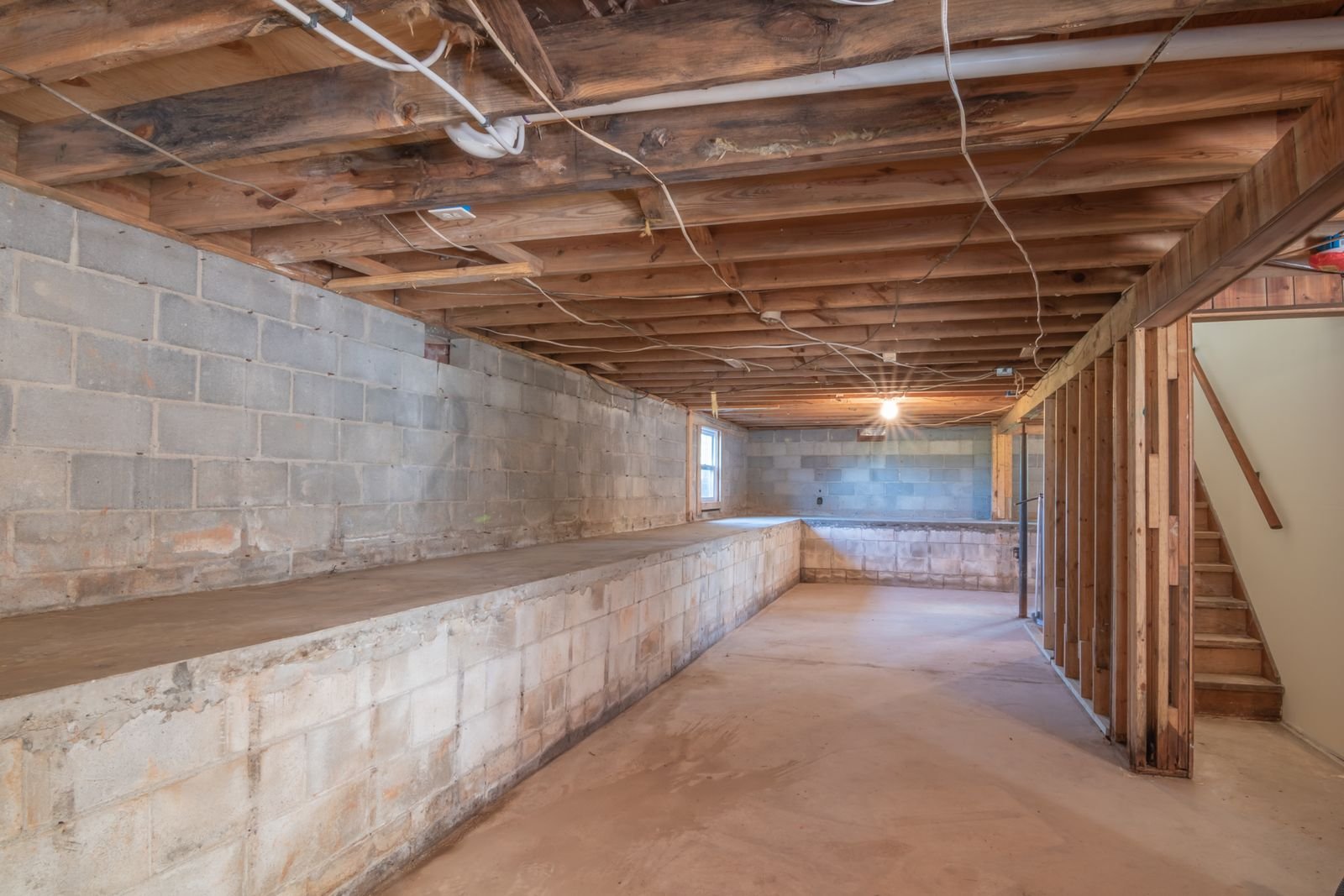
Basement Flood Cleanup
Extraction and structural drying for flooded basements, crawl spaces, and below-grade rooms — the areas most prone to trapped, lingering moisture.
See what's involved →
Flood Damage Cleanup
Cleanup and structural drying after larger-scale flooding from storms, overland water, or failed drainage — often multiple rooms or an entire floor at once.
See what's involved →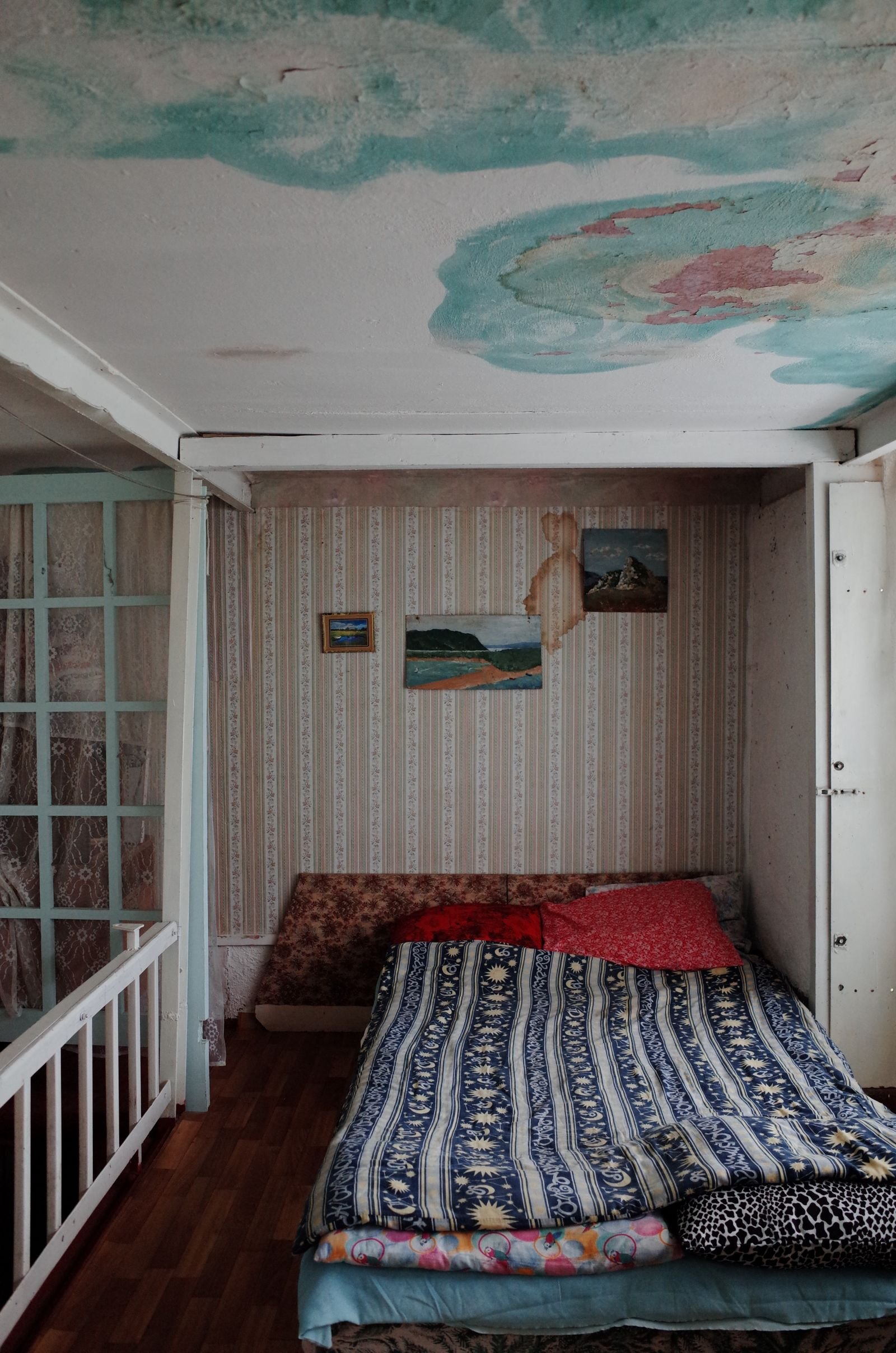
Ceiling Water Damage Repair
Drying and repair for water-stained, sagging, or leaking ceilings, usually tied to a roof leak or a plumbing failure on the floor above.
See what's involved →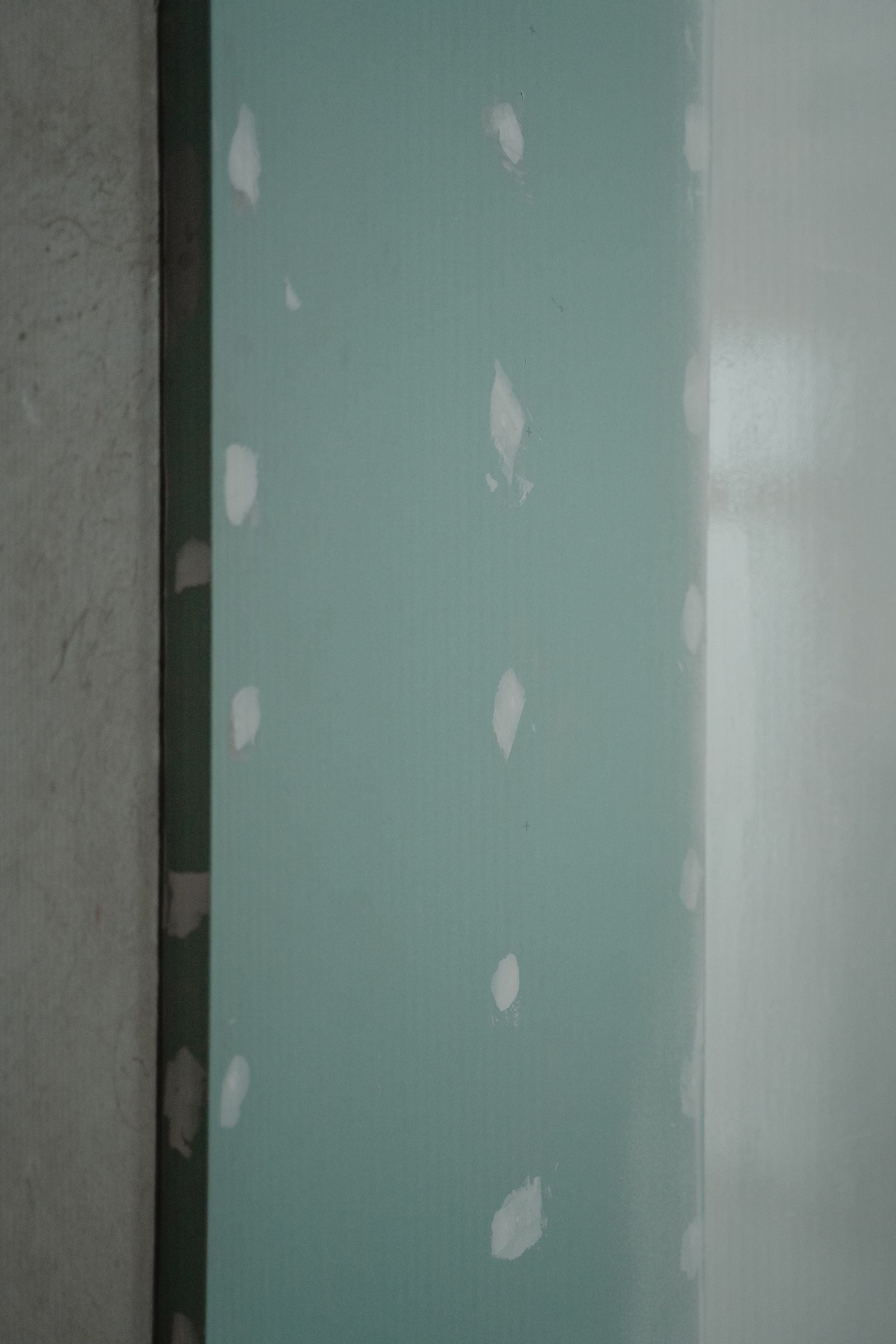
Drywall Water Damage
Assessment, drying, and replacement of drywall that's been saturated, softened, or is already showing mold — with a clear read on what can be saved.
See what's involved →
Storm Damage Restoration
Water damage cleanup after wind-driven rain, roof intrusion, or flooding tied to a Sacramento County storm event.
See what's involved →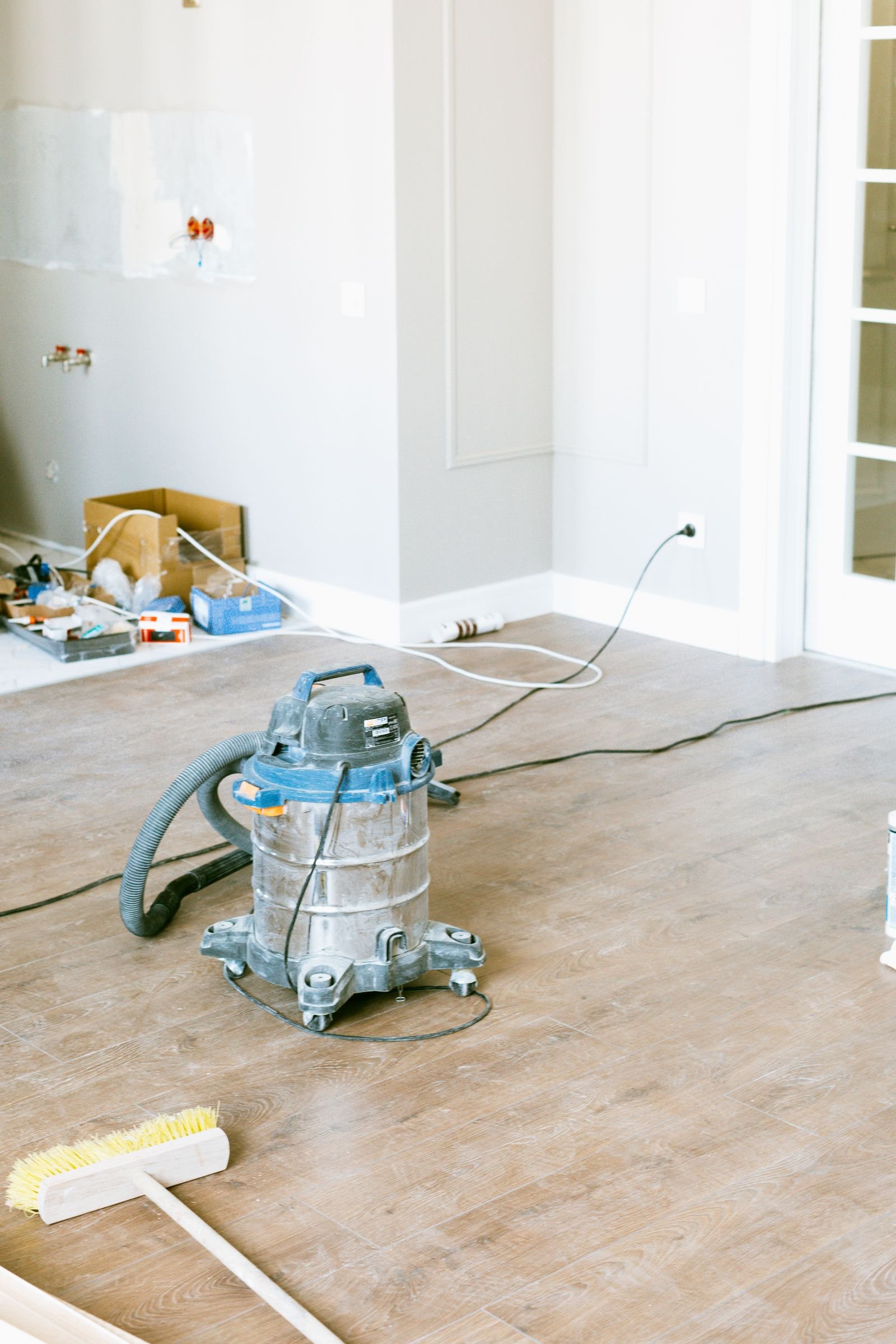
Structural Drying
Monitored, equipment-driven drying of framing, subfloor, insulation, and other structural material after any water event.
See what's involved →
Water Extraction
High-volume removal of standing water using truck-mounted and portable extraction equipment — the technical first step in any water damage response.
See what's involved →
Dehumidification Services
Commercial-grade dehumidification to pull residual moisture out of the air and structural material after extraction — the step that actually finishes the drying job.
See what's involved →
Mold Prevention After Water Damage
Antimicrobial treatment and monitored drying aimed at stopping mold before it has a chance to establish — the difference between a drying job and a remediation job.
See what's involved →
Commercial Water Damage Restoration
Fast-response extraction and drying for offices, retail spaces, and multi-unit properties, with a real focus on minimizing downtime.
See what's involved →
Residential Water Damage Restoration
The full extraction-to-repair process, scoped specifically for single-family homes and residential properties across Sacramento County.
See what's involved →Questions About Moisture Detection
Often, yes — thermal imaging and moisture meters can identify likely problem areas non-invasively; we only recommend opening a wall when it's the only way to confirm or access the issue.
It's very effective for scanning larger areas quickly to identify temperature anomalies, though it works best combined with moisture meter readings to confirm what it's showing.
It can help identify affected areas above a slab leak; pinpointing the exact leak location under the slab itself usually involves a plumber's specialized leak-detection equipment alongside our moisture mapping.
If you have a specific concern — a smell, a water bill spike, a past event you're unsure was fully resolved — it's worth it. We don't recommend it as a routine check without a reason to suspect something.
A typical single-area inspection takes under an hour; a whole-house inspection for a less clear-cut concern can take longer depending on the property size.
Yes — findings are documented with photos and moisture readings, which is useful whether you're addressing a repair, filing an insurance claim, or just getting peace of mind.
Yes — buyers or sellers sometimes request a moisture inspection on a property with a known history of water issues or in an area prone to them.
We'll walk you through the affected area and readings, and move into extraction and drying if it's an active issue, or flag it for repair coordination if the source needs to be addressed by another trade first.
Water spreading right now? Call first, read later.
Every hour standing water sits is an hour it soaks deeper. We answer 24/7.
Tell us what's happening
We'll call or text back quickly with next steps and, for active water events, an arrival window the same day.
Phone: (916) 634-0972
Email: help@elkgrovewaterrestoration.com
Availability: Live 24/7 — water doesn't wait for business hours