Emergency Water Removal
Fast, round-the-clock response to pull standing water out of your home before it spreads further or soaks into structural material.
What emergency water removal actually involves
Emergency water removal is the first, most time-sensitive step after any significant water event — pulling standing and trapped water out of a home as fast as possible, before it has a chance to spread into rooms it hasn't reached yet or soak deeper into flooring, drywall, and framing.
The first few hours after a pipe bursts or an appliance fails matter more than almost any other part of the restoration process. Water moves fast — it wicks up drywall, travels under flooring, and finds its way into wall cavities within hours, not days. Getting a crew on-site quickly with the right extraction equipment is what keeps a bad situation from becoming a much bigger, much more expensive one.
We answer emergency calls across Elk Grove, Sacramento, and the surrounding Sacramento County communities day and night. Whether it's 2 p.m. on a Tuesday or 3 a.m. after a pipe let go while you were asleep, the response is the same: get there, get the water out, and get drying equipment running before the day is over.
Emergency water removal isn't just running equipment faster — it's making the right calls under time pressure. That means recognizing which rooms are at risk of secondary damage even if water hasn't visibly reached them yet, deciding what furniture and flooring can be saved versus what needs to come out immediately, and getting extraction and initial drying equipment positioned correctly the first time instead of guessing and repositioning later.
What this service actually covers
- 24/7 dispatch and phone response
- On-site assessment of the water source and scope
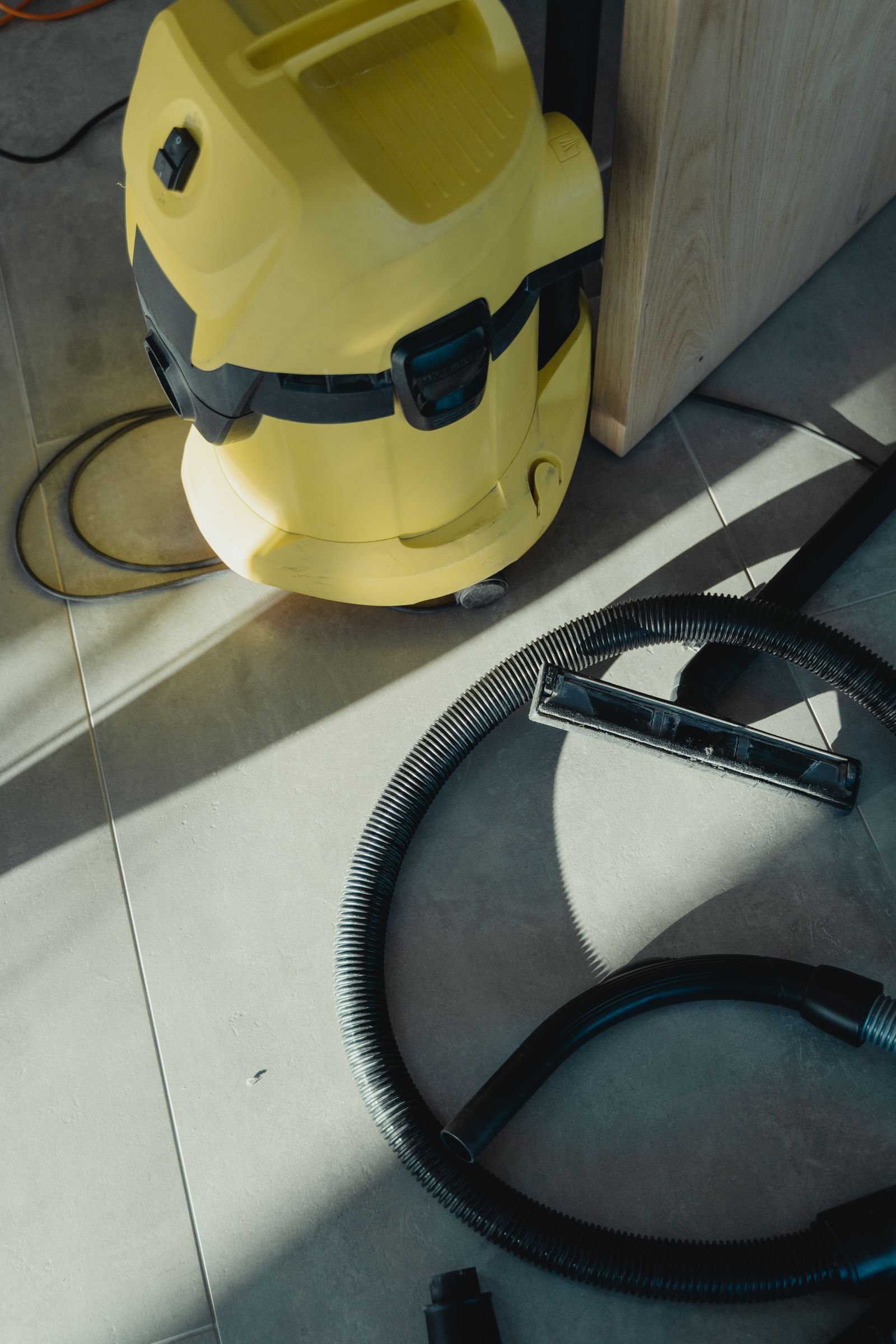
- Truck-mounted or portable extraction, whichever fits the space
- Weighted extraction for saturated carpet and padding
- Initial moisture readings to scope the drying plan
- A safety check of any nearby electrical hazards
Extraction itself is usually the fastest step — often complete within a few hours of arrival, with drying equipment running the same day.
What usually leads to this
Burst or ruptured pipes
A supply line or section of copper pipe that fails outright can put hundreds of gallons into a home in a very short window, especially if it happens overnight or while nobody's home.
Appliance line failures
Washing machines, dishwashers, ice makers, and water heaters can all fail suddenly, and because they're usually connected to a running water supply, the volume adds up fast.
Storm and flash flooding
Sacramento County's rainy season can bring intense, fast-moving storms that overwhelm gutters, window seals, and low-lying entry points faster than a home's drainage was built to handle.
Sump pump or drainage failure
A sump pump that fails during a storm, or a yard drainage system that backs up, can turn a manageable rain event into standing water inside the home.
Overflowing fixtures left unattended
A bathtub, sink, or toilet left running or clogged can overflow an entire floor in the time it takes to run an errand.
Roof and window leaks during storms
A roof or window seal that was marginal but fine in dry weather can let in a surprising volume of water once a sustained storm system sits over the area for a full day or more.
What to look for
Standing water anywhere in the home
Any visible pooling on flooring is the clearest sign that emergency extraction is needed immediately, not just cleanup.
Water actively spreading between rooms
If water is migrating under doorways or through hallways, it's already covering more square footage than the original source room.
A rising or damp baseboard line
Water climbing a baseboard by capillary action means it's being wicked upward into the drywall, not just sitting on the floor.
Squishy or saturated carpet and padding
Carpet that squishes underfoot has already reached its saturation point, and the padding beneath it holds even more water than the carpet itself.
Water coming through a ceiling or light fixture
This means water has already traveled through a floor above and pooled on top of drywall or insulation — treat it as an emergency and cut power to the fixture if it's safe to do so.
A sump pump or drain running constantly
A pump or drain working overtime during a storm is a sign the system is at or near capacity, and any additional water may have nowhere left to go but into the house.
What happens if this doesn't get addressed
Structural damage from prolonged saturation
Every hour water sits is an hour it has to soak deeper into subfloor, framing, and drywall, and the deeper it goes, the more material eventually has to be removed rather than just dried.
Mold colonization
Delayed extraction is the single biggest factor in whether a water event stays a drying job or turns into a mold remediation job — mold can begin colonizing within 24 to 48 hours of the water arriving.
Electrical hazards
Standing water near outlets, cords, or a breaker panel is a genuine shock hazard until the power to that area has been confirmed safe.
Higher restoration cost and scope
A same-day extraction response often means drying in place; a delayed response more often means removing and replacing flooring, baseboards, and drywall — a bigger job with a bigger price tag, regardless of who's paying it.
Insurance complications
Most policies expect prompt action to limit damage once a leak is discovered — a slow response can become a point of dispute during a claim.
Damage spreading to unaffected rooms
Water doesn't stay contained to the room it started in — it follows gravity and the path of least resistance, which often means adjoining rooms are at risk well before anyone notices.
Emergency water removal is the front half of the full restoration process — extraction and initial moisture control, done fast, followed by the same inspection-to-drying sequence used on every job.
From the first call to a verified-dry home
This is the same nine-step sequence on every job, whether it's one bathroom or an entire floor — the scope changes, the process doesn't.
Inspection
We assess the source, the scope, and the water category before touching anything.
Moisture detection
Meters and thermal imaging map exactly where water has traveled, including inside walls and under floors.
Water extraction
Truck-mounted and portable extraction equipment pulls standing water fast.
Structural drying
Air movers and drying equipment target framing, subfloor, and drywall directly.
Dehumidification
Commercial dehumidifiers pull moisture out of the air so materials can actually release it.
Cleaning
Affected surfaces and belongings are cleaned as part of the drying process, not left for last.
Sanitizing
Antimicrobial treatment where the water category calls for it, to get ahead of mold and bacteria.
Repairs
Drywall, flooring, and trim replacement is coordinated once everything underneath is verified dry.
Final inspection
Moisture readings confirm the structure is back to a normal, stable level before we call it done.
Serving the greater Elk Grove & Sacramento area
Other Services
These often come up together with this job — no reason to juggle separate calls.
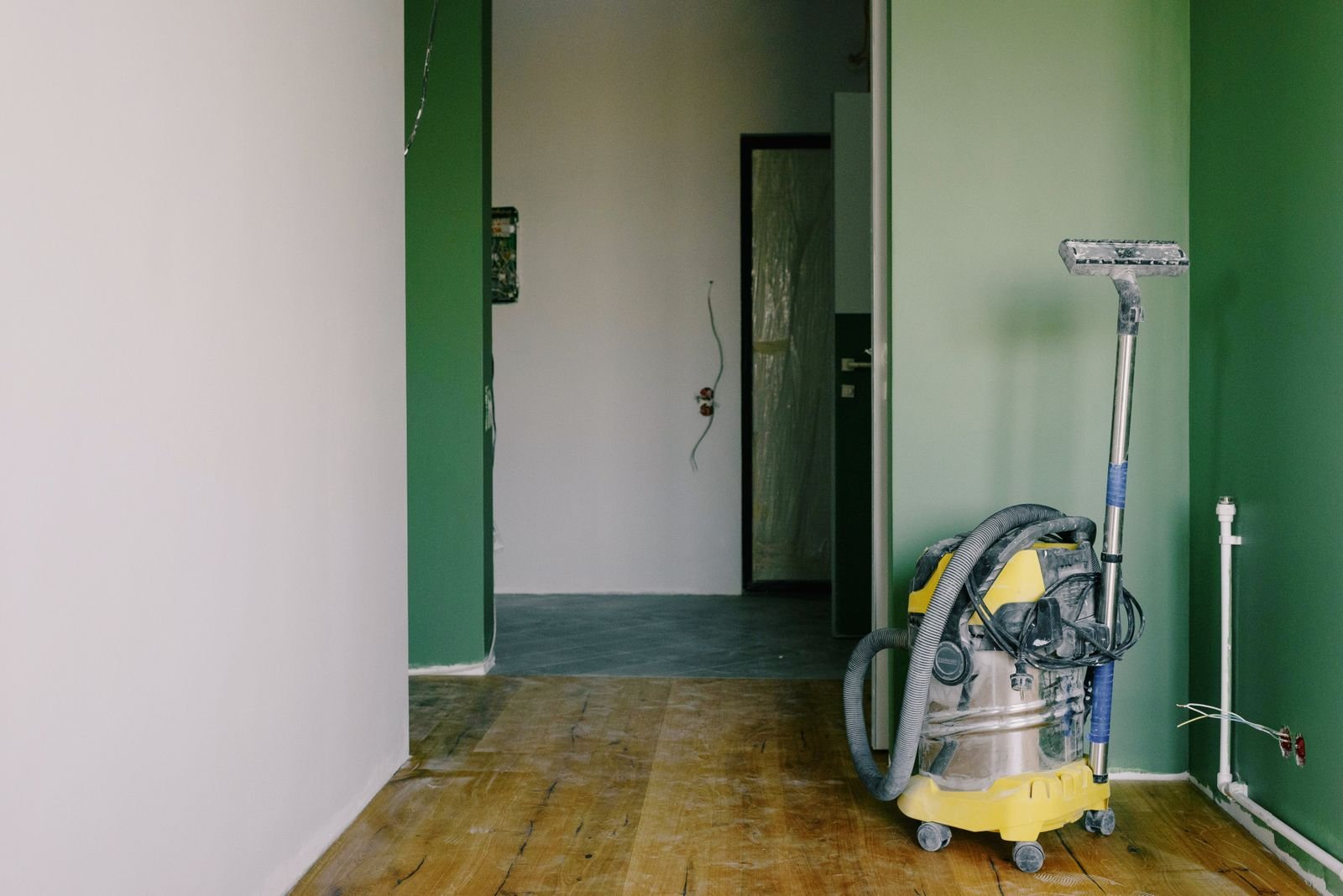
Water Damage Restoration
The full response — inspection, extraction, drying, and repair coordination — for any water event in a Sacramento County home or business.
See what's involved →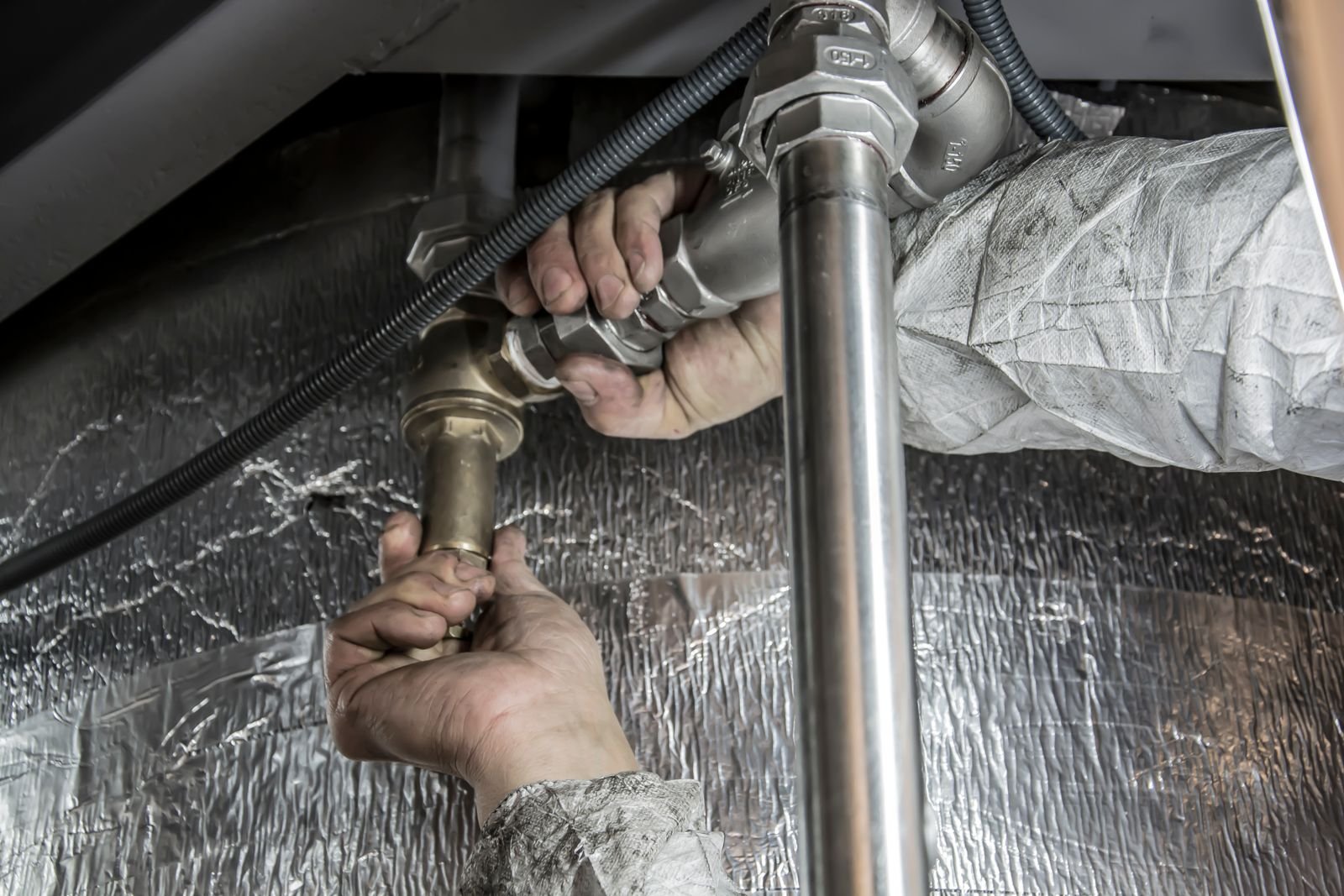
Burst Pipe Cleanup
Extraction, drying, and cleanup after a supply line or pipe failure — coordinated with your plumber, not in place of one.
See what's involved →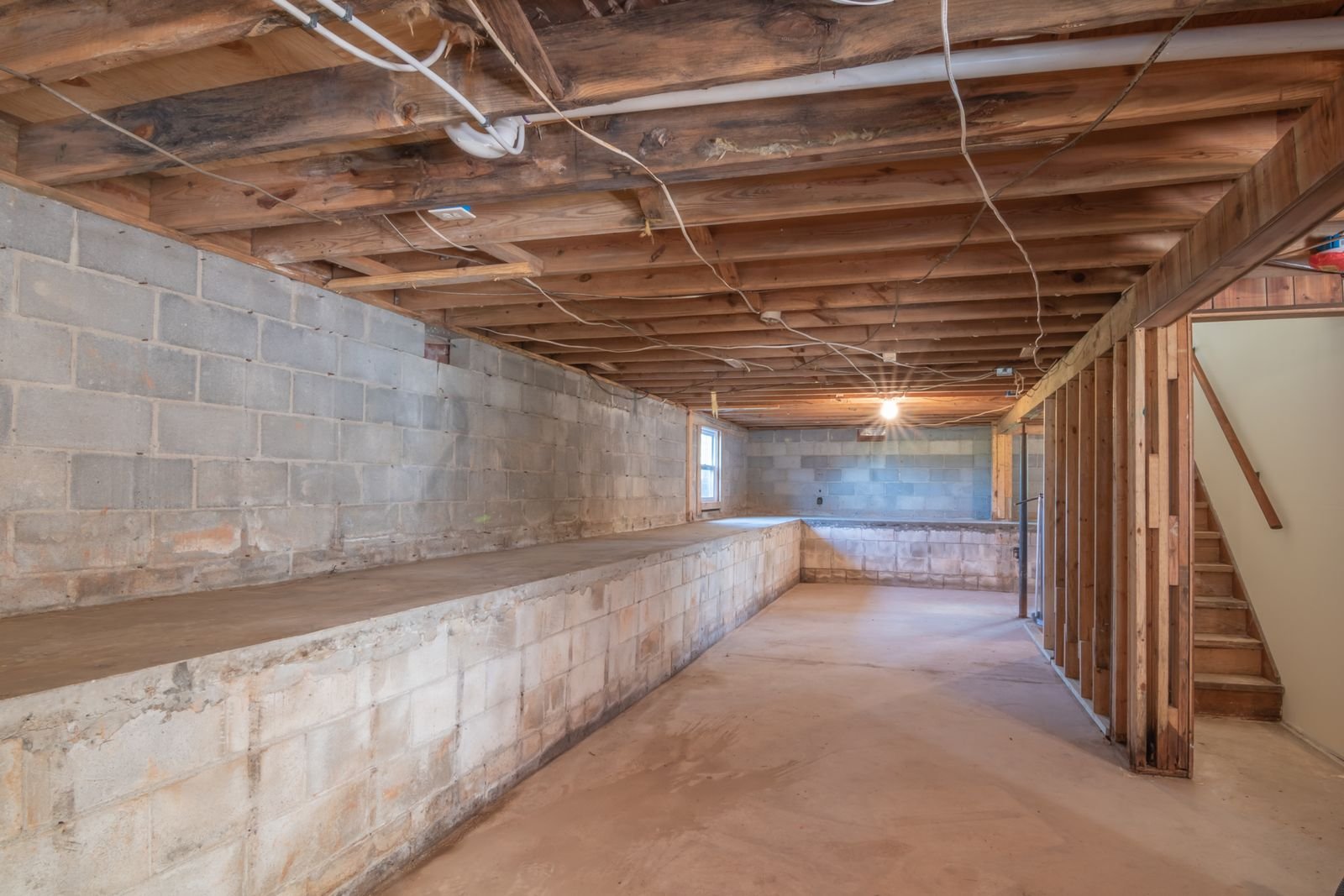
Basement Flood Cleanup
Extraction and structural drying for flooded basements, crawl spaces, and below-grade rooms — the areas most prone to trapped, lingering moisture.
See what's involved →
Flood Damage Cleanup
Cleanup and structural drying after larger-scale flooding from storms, overland water, or failed drainage — often multiple rooms or an entire floor at once.
See what's involved →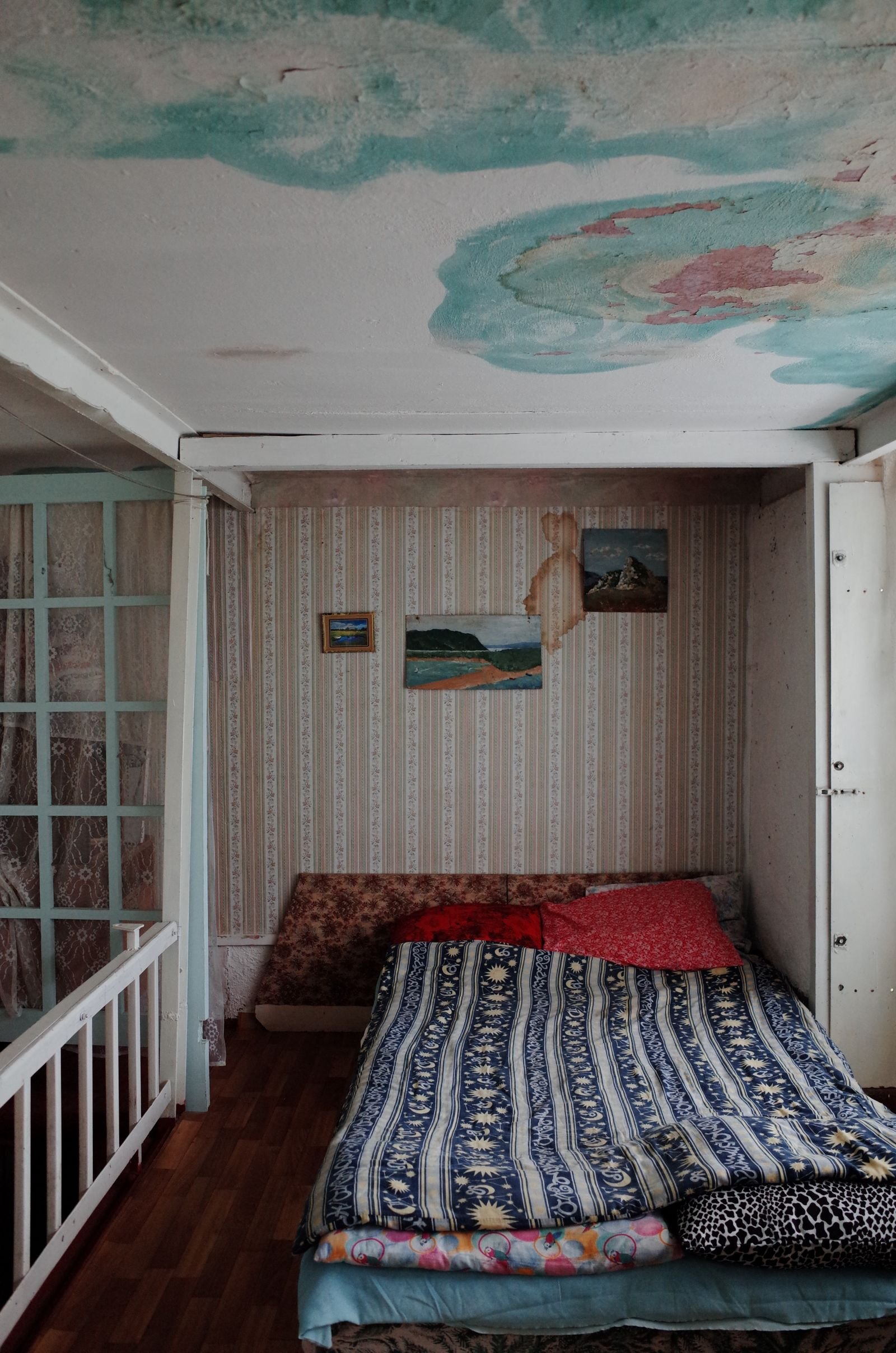
Ceiling Water Damage Repair
Drying and repair for water-stained, sagging, or leaking ceilings, usually tied to a roof leak or a plumbing failure on the floor above.
See what's involved →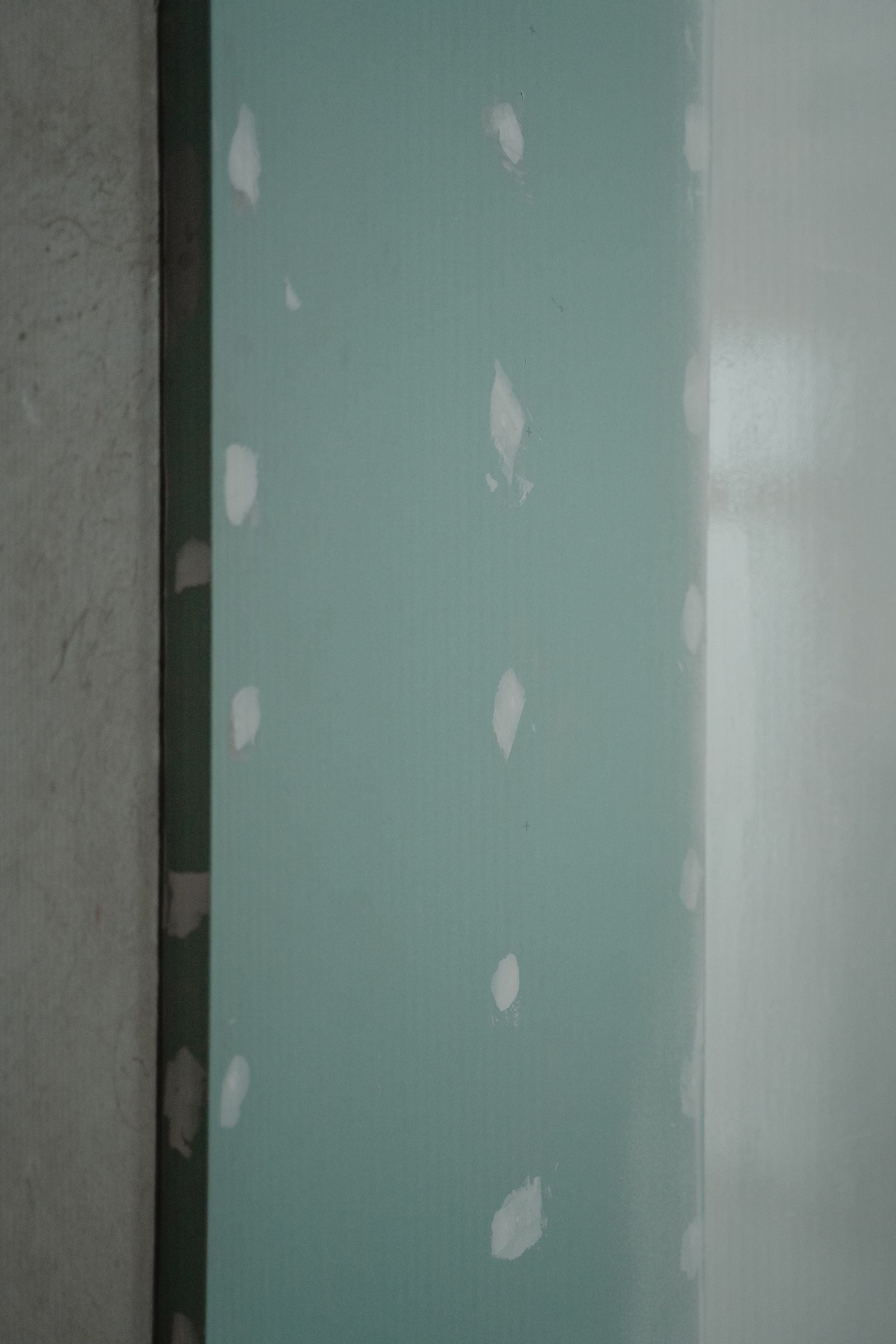
Drywall Water Damage
Assessment, drying, and replacement of drywall that's been saturated, softened, or is already showing mold — with a clear read on what can be saved.
See what's involved →
Storm Damage Restoration
Water damage cleanup after wind-driven rain, roof intrusion, or flooding tied to a Sacramento County storm event.
See what's involved →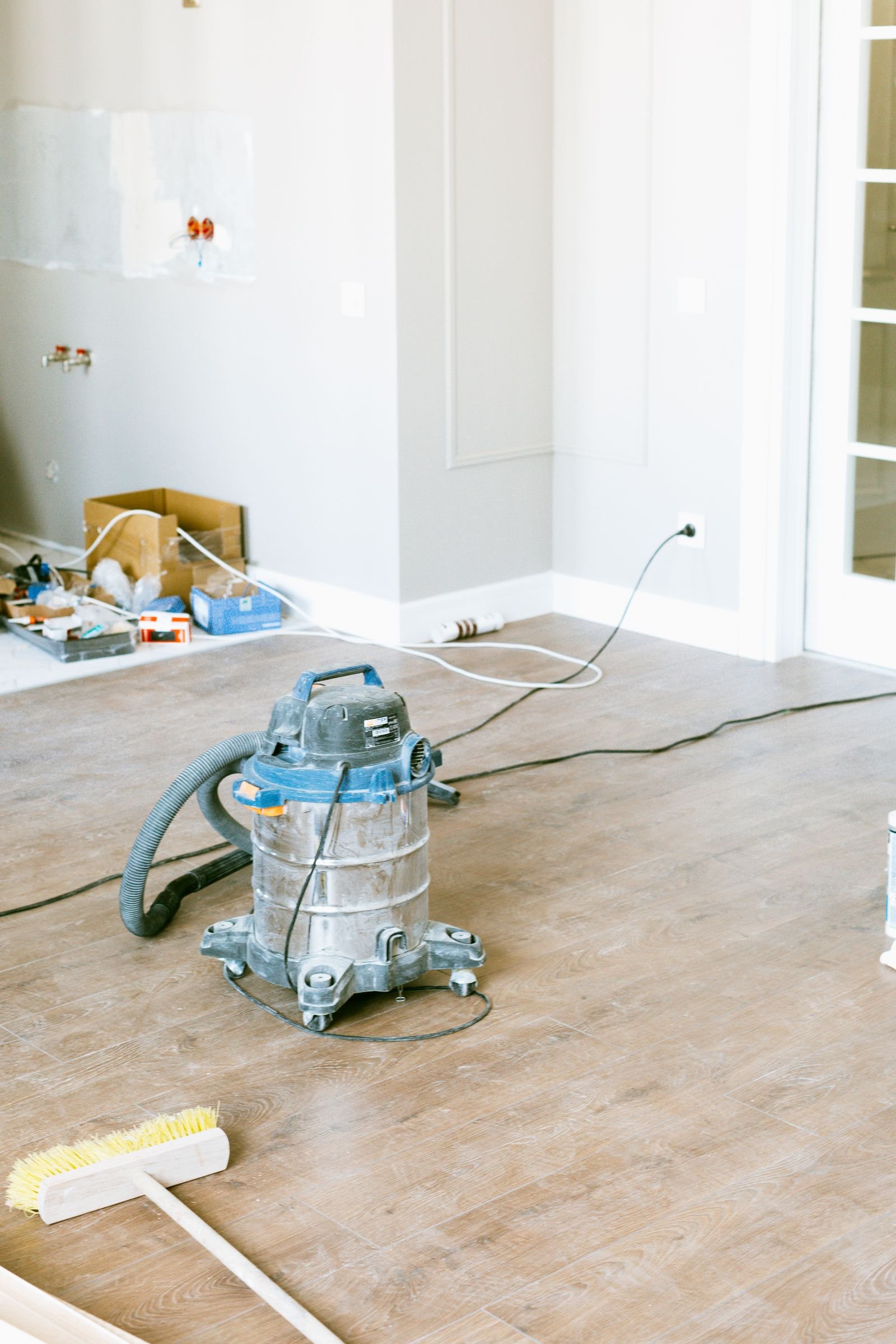
Structural Drying
Monitored, equipment-driven drying of framing, subfloor, insulation, and other structural material after any water event.
See what's involved →
Water Extraction
High-volume removal of standing water using truck-mounted and portable extraction equipment — the technical first step in any water damage response.
See what's involved →
Moisture Detection
Meter and thermal-imaging inspection to find hidden moisture behind walls, under flooring, and inside cavities — before it becomes a visible problem.
See what's involved →
Dehumidification Services
Commercial-grade dehumidification to pull residual moisture out of the air and structural material after extraction — the step that actually finishes the drying job.
See what's involved →
Mold Prevention After Water Damage
Antimicrobial treatment and monitored drying aimed at stopping mold before it has a chance to establish — the difference between a drying job and a remediation job.
See what's involved →
Commercial Water Damage Restoration
Fast-response extraction and drying for offices, retail spaces, and multi-unit properties, with a real focus on minimizing downtime.
See what's involved →
Residential Water Damage Restoration
The full extraction-to-repair process, scoped specifically for single-family homes and residential properties across Sacramento County.
See what's involved →Questions About Emergency Water Removal
We treat active water intrusion as a priority call across our Elk Grove and Sacramento County service area — the goal is always to get extraction equipment running the same day the water is discovered.
Yes — water damage doesn't wait for business hours, and neither do we.
If you can safely do so, shut off the water source, avoid standing water near electrical outlets or panels, and move furniture, electronics, and valuables away from the affected area.
Our truck-mounted and portable extraction units are built for exactly this — pulling large volumes of standing water out of flooring, carpet, and padding far faster than shop vacuums or towels ever could.
Extraction removes the water you can see and a good amount you can't, but structural materials still hold moisture afterward — that's why extraction is always followed by monitored drying with commercial dehumidifiers and air movers.
Yes — basements and crawl spaces are common trouble spots because water pools there and has nowhere to drain, and we bring the right equipment for confined, low-clearance spaces.
We'll help identify and, where possible, stop the source, or coordinate with a plumber if it requires a repair beyond water removal — either way, we won't start extraction until the active source is under control.
In most cases involving sudden, accidental water damage, yes — we document the extraction with photos and moisture readings that support your claim.
We bring everything — extraction units, air movers, and dehumidifiers are all part of the standard response, so there's nothing for you to rent or source.
It happens more often than you'd think, especially with older flooring or a slow leak that had been going on longer than realized — we'll walk you through exactly what we find before deciding next steps.
Water spreading right now? Call first, read later.
Every hour standing water sits is an hour it soaks deeper. We answer 24/7.
Tell us what's happening
We'll call or text back quickly with next steps and, for active water events, an arrival window the same day.
Phone: (916) 634-0972
Email: help@elkgrovewaterrestoration.com
Availability: Live 24/7 — water doesn't wait for business hours