Commercial Water Damage Restoration
Fast-response extraction and drying for offices, retail spaces, and multi-unit properties, with a real focus on minimizing downtime.
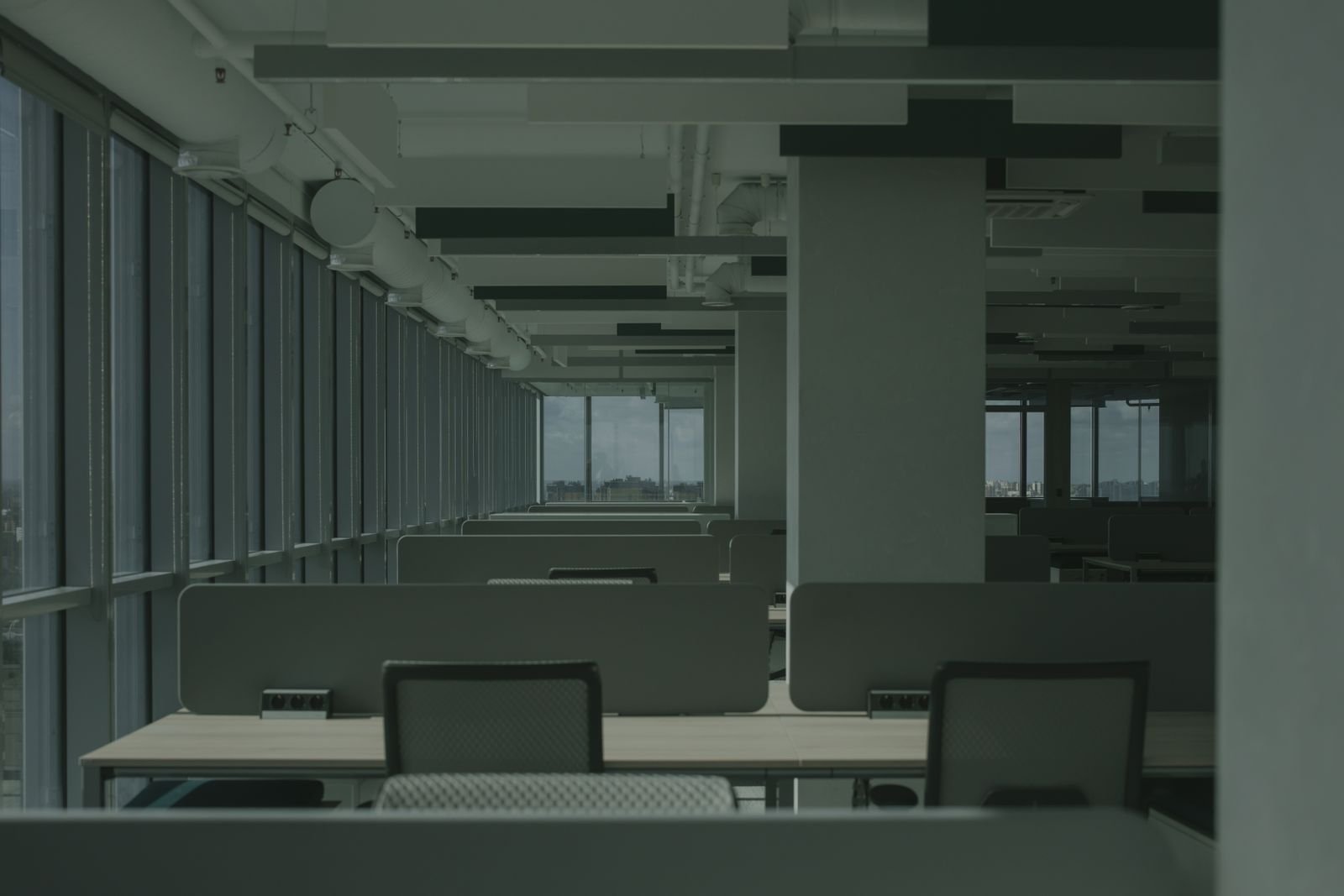
What commercial water damage restoration actually involves
Commercial water damage restoration follows the same underlying process as residential work, but with a different set of priorities layered on top: minimizing business downtime, coordinating with multiple stakeholders (property managers, tenants, sometimes multiple businesses in one building), and often working around operating hours rather than an empty house.
The stakes are different too. A flooded office isn't just a property problem — it's lost revenue, disrupted operations, and potentially damaged equipment, inventory, or records. That changes how we prioritize a job: getting a business back to functional often matters as much as the technical drying timeline, which sometimes means phased work — drying and clearing the areas needed to reopen first, then finishing less critical areas after.
We work with offices, retail spaces, restaurants, medical and professional suites, and multi-unit residential or mixed-use buildings across Elk Grove and Sacramento County, coordinating directly with property managers and business owners on both the restoration work and the documentation needed for a commercial insurance claim.
What this service actually covers
- Priority-area assessment to identify what needs to reopen first
- Phased extraction and drying to minimize business downtime
- Coordination with property managers and other affected tenants
- A protection assessment for inventory, equipment, and records
- After-hours scheduling where it helps reduce disruption
- Documentation suited to commercial insurance claims
Timeline depends heavily on scope, but priority areas are often dried and cleared to reopen well before less critical areas are finished.
What usually leads to this
Commercial plumbing and fixture failures
Break rooms, restrooms, and kitchen facilities in commercial spaces see the same kind of supply line and fixture failures as residential properties, just often with more fixtures and more usage.
HVAC and rooftop unit failures
Commercial buildings often have rooftop HVAC units with condensate lines and drainage that, when clogged or failed, can send water into the space below.
Fire sprinkler system discharge
An accidental sprinkler discharge or a failed component can release a significant volume of water very quickly across a large commercial floor plan.
Roof and building envelope failures
Flat commercial roofing has its own failure patterns, distinct from residential pitched roofs, and can develop leaks that affect large open floor areas.
Multi-tenant plumbing issues
In multi-unit or multi-tenant buildings, a failure in one unit can affect neighboring units or shared spaces, adding coordination complexity to the response.
What to look for
Water affecting operational areas
Water reaching customer-facing areas, workstations, or equipment needs immediate response given the direct impact on business operations.
Musty odors in shared or common spaces
In multi-tenant buildings, an odor in a shared space can indicate an issue in a unit that hasn't reported it yet.
Staining on commercial ceiling tiles
Drop ceiling tiles show water staining quickly and are one of the most common early signs of a leak in a commercial space.
Water near electrical or server equipment
This is a priority-response situation given both the safety risk and the potential for expensive equipment damage.
Recurring minor leaks in the same area
A commercial space with a pattern of small leaks in the same location often points to a larger underlying issue worth a full inspection.
What happens if this doesn't get addressed
Lost revenue from downtime
Every day a commercial space is non-operational has a direct cost, which is part of why phased, priority-area drying matters more here than in most residential jobs.
Damage to inventory, equipment, or records
Commercial water damage often threatens things beyond the building itself — inventory, electronics, and paper records all need their own assessment.
Liability and safety concerns
A wet commercial floor is a slip-and-fall risk for employees and customers alike, and needs to be addressed with that in mind, not just as a property issue.
Tenant and lease complications
In multi-tenant buildings, unresolved water damage can create disputes between tenants and property owners over responsibility and repair timelines.
Mold risk in commercial HVAC systems
Mold that establishes near commercial HVAC intake can circulate throughout a building far more broadly than a residential system would.
Commercial jobs follow the same core process, often run in phases so priority areas can reopen sooner — the inspection phase includes mapping which areas are critical to operations, not just which areas are wet.
From the first call to a verified-dry home
This is the same nine-step sequence on every job, whether it's one bathroom or an entire floor — the scope changes, the process doesn't.
Inspection
We assess the source, the scope, and the water category before touching anything.
Moisture detection
Meters and thermal imaging map exactly where water has traveled, including inside walls and under floors.
Water extraction
Truck-mounted and portable extraction equipment pulls standing water fast.
Structural drying
Air movers and drying equipment target framing, subfloor, and drywall directly.
Dehumidification
Commercial dehumidifiers pull moisture out of the air so materials can actually release it.
Cleaning
Affected surfaces and belongings are cleaned as part of the drying process, not left for last.
Sanitizing
Antimicrobial treatment where the water category calls for it, to get ahead of mold and bacteria.
Repairs
Drywall, flooring, and trim replacement is coordinated once everything underneath is verified dry.
Final inspection
Moisture readings confirm the structure is back to a normal, stable level before we call it done.
Serving the greater Elk Grove & Sacramento area
Other Services
These often come up together with this job — no reason to juggle separate calls.
Water Damage Restoration
The full response — inspection, extraction, drying, and repair coordination — for any water event in a Sacramento County home or business.
See what's involved →
Emergency Water Removal
Fast, round-the-clock response to pull standing water out of your home before it spreads further or soaks into structural material.
See what's involved →
Burst Pipe Cleanup
Extraction, drying, and cleanup after a supply line or pipe failure — coordinated with your plumber, not in place of one.
See what's involved →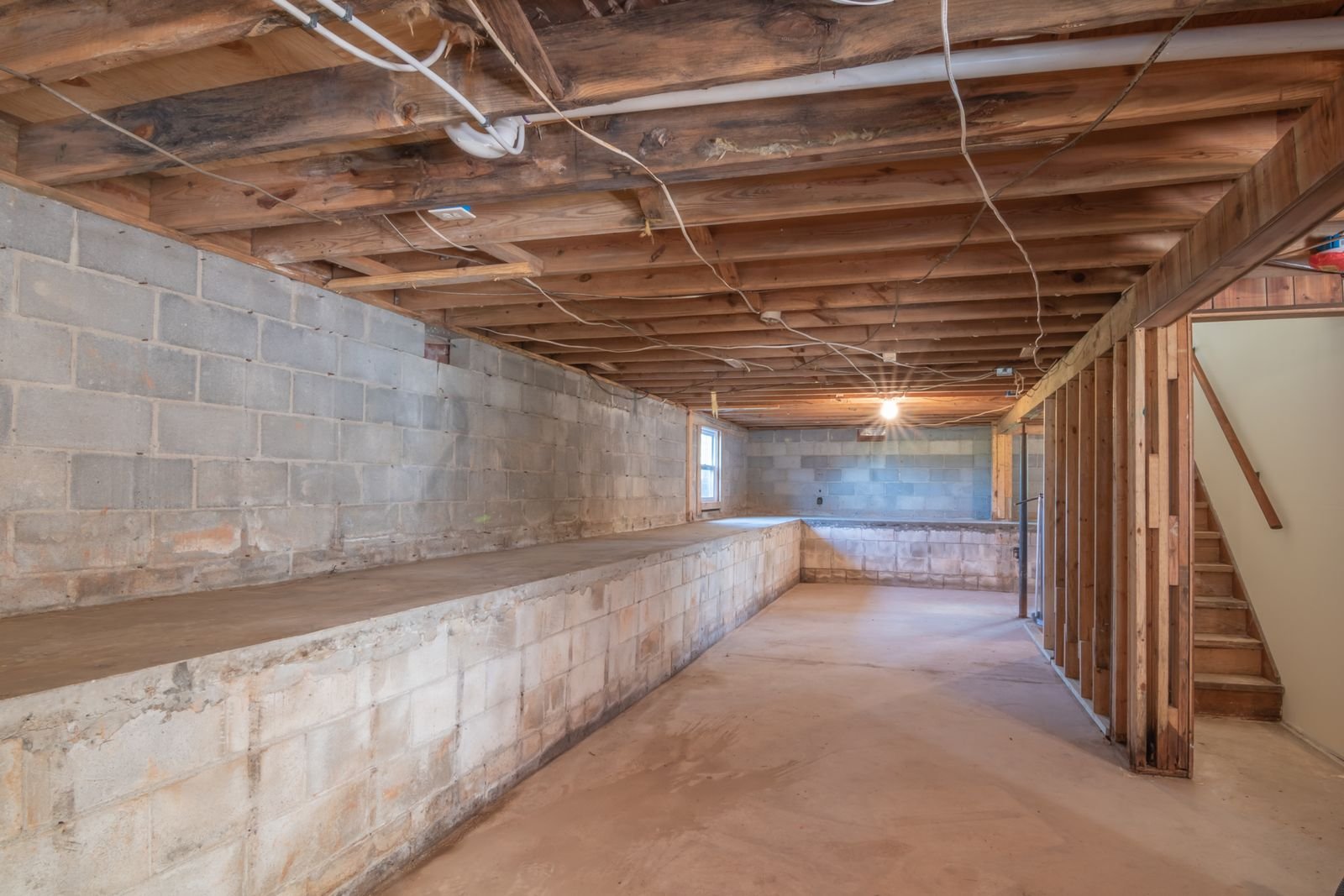
Basement Flood Cleanup
Extraction and structural drying for flooded basements, crawl spaces, and below-grade rooms — the areas most prone to trapped, lingering moisture.
See what's involved →
Flood Damage Cleanup
Cleanup and structural drying after larger-scale flooding from storms, overland water, or failed drainage — often multiple rooms or an entire floor at once.
See what's involved →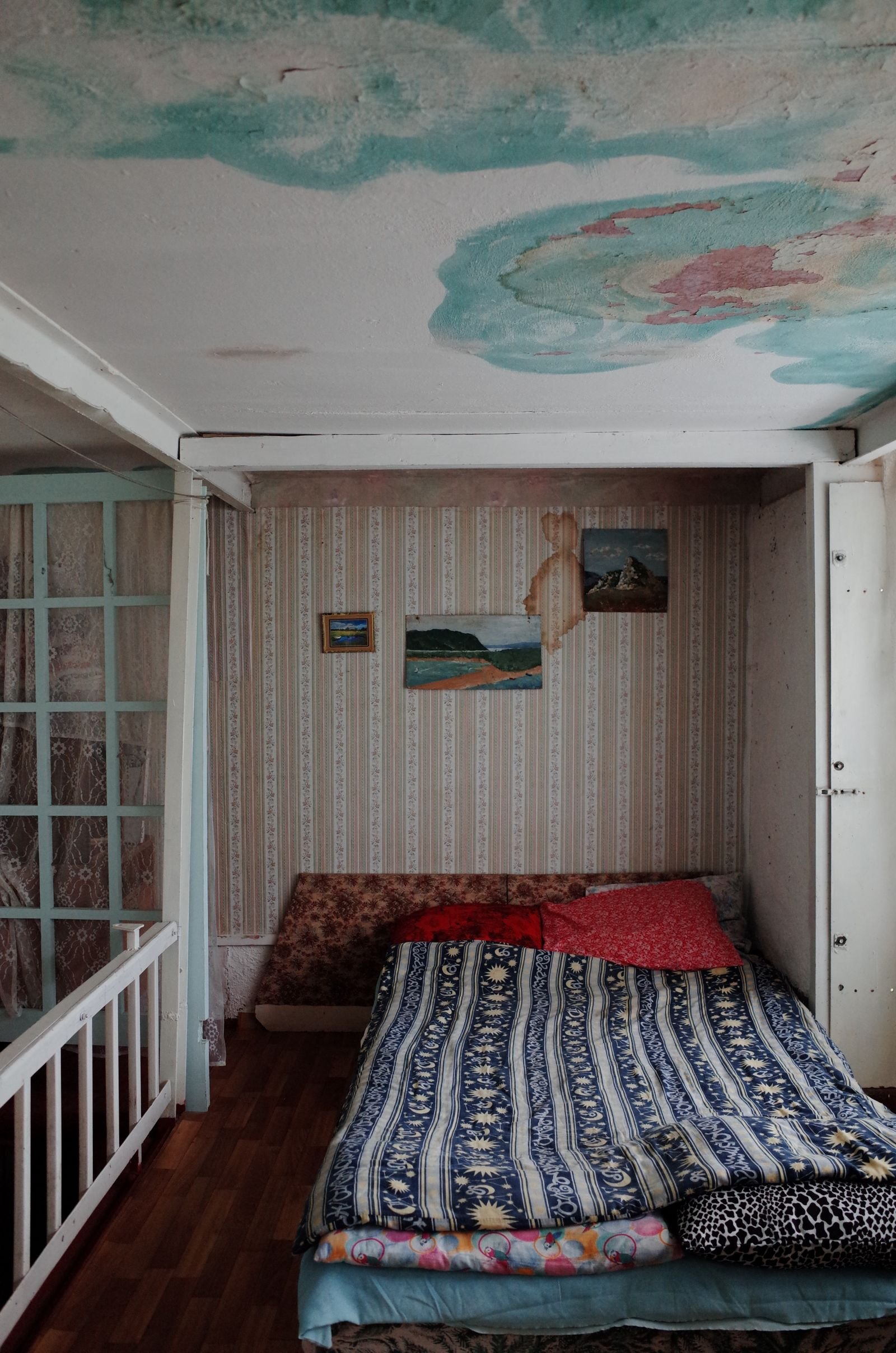
Ceiling Water Damage Repair
Drying and repair for water-stained, sagging, or leaking ceilings, usually tied to a roof leak or a plumbing failure on the floor above.
See what's involved →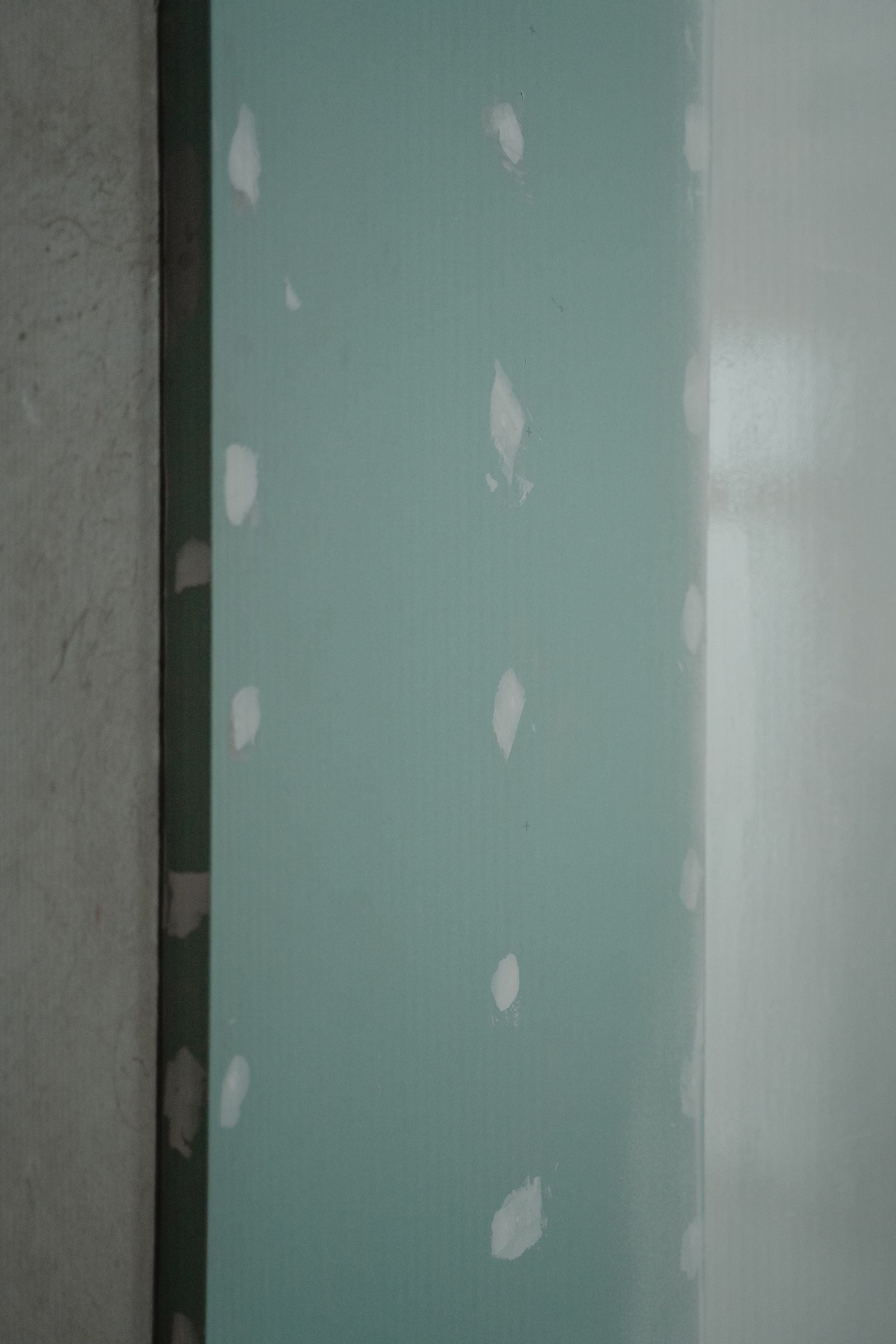
Drywall Water Damage
Assessment, drying, and replacement of drywall that's been saturated, softened, or is already showing mold — with a clear read on what can be saved.
See what's involved →
Storm Damage Restoration
Water damage cleanup after wind-driven rain, roof intrusion, or flooding tied to a Sacramento County storm event.
See what's involved →
Structural Drying
Monitored, equipment-driven drying of framing, subfloor, insulation, and other structural material after any water event.
See what's involved →
Water Extraction
High-volume removal of standing water using truck-mounted and portable extraction equipment — the technical first step in any water damage response.
See what's involved →
Moisture Detection
Meter and thermal-imaging inspection to find hidden moisture behind walls, under flooring, and inside cavities — before it becomes a visible problem.
See what's involved →
Dehumidification Services
Commercial-grade dehumidification to pull residual moisture out of the air and structural material after extraction — the step that actually finishes the drying job.
See what's involved →
Mold Prevention After Water Damage
Antimicrobial treatment and monitored drying aimed at stopping mold before it has a chance to establish — the difference between a drying job and a remediation job.
See what's involved →
Residential Water Damage Restoration
The full extraction-to-repair process, scoped specifically for single-family homes and residential properties across Sacramento County.
See what's involved →Questions About Commercial Water Damage Restoration
Yes — we can schedule extraction and equipment setup around a business's operating hours when that helps minimize disruption to customers or staff.
Yes — we regularly coordinate directly with property managers, especially in multi-tenant buildings where a response affects more than one business.
Often, yes — we can phase the work to prioritize and clear operational areas first, then complete drying in less critical areas afterward.
Yes — commercial claims typically need the same kind of photo and moisture documentation as residential ones, and we're used to working with commercial policies and adjusters.
We treat this as a priority area and can coordinate with IT specialists as needed — electronics and water require careful, informed handling beyond standard drying.
We assess whether neighboring units are at risk and coordinate with the property manager on scope, while focusing extraction and drying on the directly affected unit.
We're happy to talk through what a fast response would look like for your specific property ahead of any incident — knowing who to call and having that relationship already in place saves real time during an actual event.
Yes — commercial kitchens have their own equipment and health-code considerations, and we adjust the approach accordingly.
Water spreading right now? Call first, read later.
Every hour standing water sits is an hour it soaks deeper. We answer 24/7.
Tell us what's happening
We'll call or text back quickly with next steps and, for active water events, an arrival window the same day.
Phone: (916) 634-0972
Email: help@elkgrovewaterrestoration.com
Availability: Live 24/7 — water doesn't wait for business hours