Burst Pipe Cleanup
Extraction, drying, and cleanup after a supply line or pipe failure — coordinated with your plumber, not in place of one.
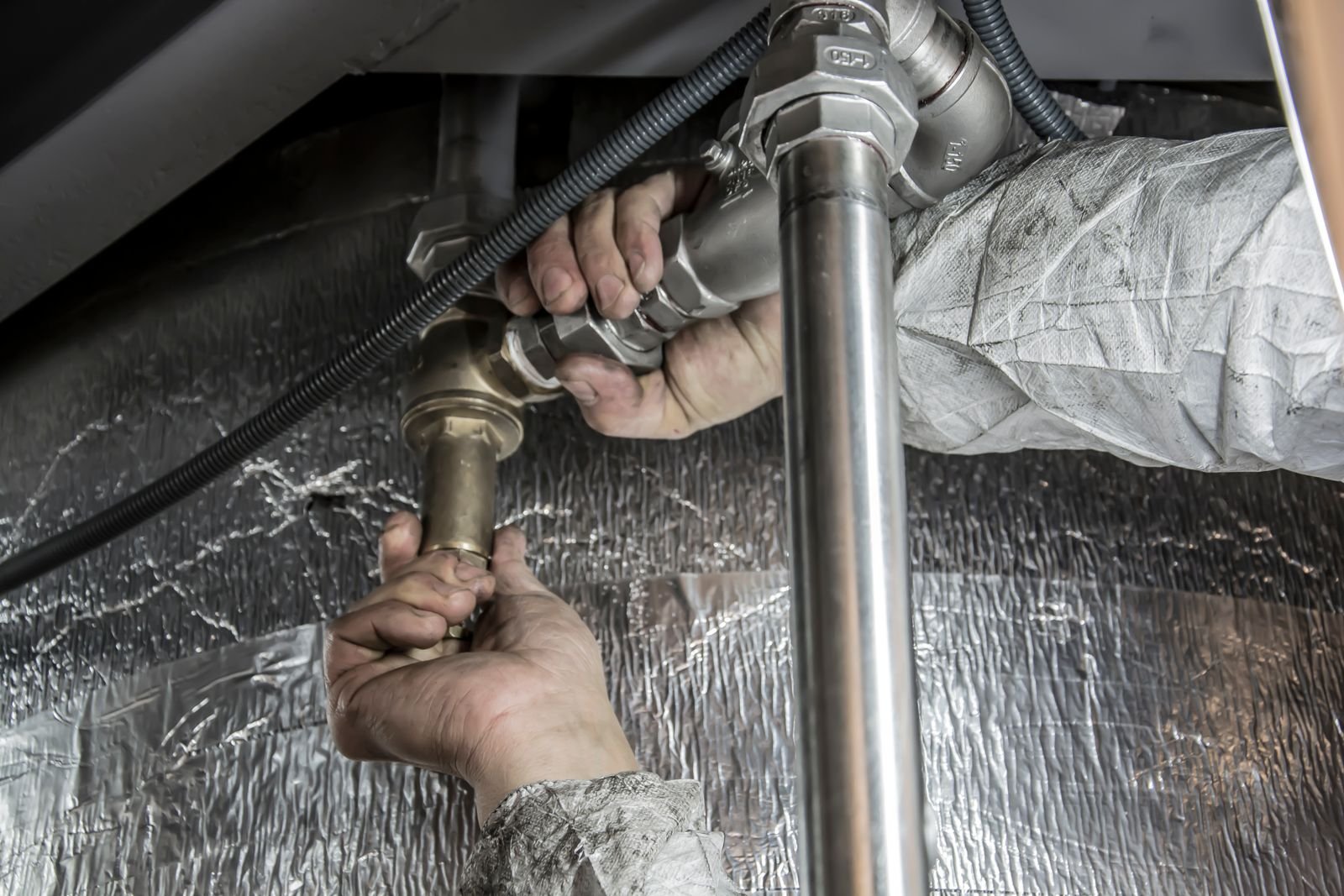
What burst pipe cleanup actually involves
A burst pipe is one of the fastest-moving water emergencies a home can have. Depending on the water pressure and the size of the line, a single break can release dozens of gallons a minute — enough to cover a room in standing water before anyone even realizes what's happening, especially if it happens overnight, inside a wall, or while the house is empty.
Burst pipe cleanup is the restoration side of the problem: once a plumber has stopped the source, we handle everything the water left behind — extraction, moisture mapping, structural drying, and cleanup of anything the water touched on its way out. We coordinate directly with plumbers across Elk Grove and Sacramento so the repair and the cleanup happen on the same timeline instead of leaving water sitting while everyone waits on a fix.
Older homes in Sacramento with original galvanized or copper plumbing and newer Elk Grove homes with PEX supply lines fail for different reasons, but the aftermath looks the same: water in places it was never supposed to be, moving fast.
What this service actually covers
- Coordination with your plumber on the repair timeline
- Extraction of standing and trapped water
- Moisture detection inside wall cavities near the break
- Structural drying targeted at the affected framing and drywall
- Antimicrobial treatment where water sat longest
- Documentation of the loss for your insurance claim
Cleanup typically starts the same day as the plumbing repair and runs 3–5 days of drying, depending on how far the water traveled inside the walls.
What usually leads to this
Freezing temperatures
A hard freeze is rare in Sacramento County but not unheard of, and pipes in unheated garages, attics, or exterior walls are the most vulnerable when it happens.
Corrosion and age
Galvanized steel pipe, common in older Sacramento homes, corrodes from the inside over decades until a weak point finally gives way.
High water pressure
Municipal water pressure that runs consistently high stresses pipe joints and fittings over time, and a pressure-reducing valve failure can push it even higher.
Physical damage
A nail through a wall during a renovation, a settling foundation putting stress on a line, or accidental impact during yard work can all cause a sudden break.
Poor original installation or materials
Homes built with polybutylene piping (common from the late 1970s through the mid-1990s) are known for unpredictable failures at fittings, regardless of age or usage.
What to look for
A sudden drop in water pressure
If pressure at a faucet drops noticeably and there's no obvious reason, water may be escaping somewhere else in the system.
The sound of running water with no fixture on
A hissing or rushing sound inside a wall or under the floor when nothing is turned on is one of the clearest signs of an active leak.
Unexplained wet spots on walls, ceilings, or floors
Water from a pipe inside a wall cavity often shows up some distance from the actual break, following gravity and the path of least resistance.
A spike in the water bill
A hidden or slow leak from a partial pipe failure can run for weeks before it becomes visible, and the water bill is often the first real clue.
Warm spots on the floor
A warm patch on a slab floor usually means a hot water line has broken beneath it — a classic sign of a slab leak.
What happens if this doesn't get addressed
Rapid structural saturation
Because burst pipes release water under pressure, they can soak subfloor, framing, and insulation far faster and deeper than a slow leak ever would.
Hidden damage inside walls
Water from a pipe inside a wall cavity can travel down into the wall base and across to adjoining rooms before it ever becomes visible on the surface.
Mold growth in wall cavities
Wall cavities trap moisture and stay dark and humid — exactly the conditions mold needs, and exactly the kind of space that's easy to miss without moisture detection equipment.
Electrical hazards
A burst pipe near wiring or an outlet is a serious shock risk, and any affected circuit should be treated as unsafe until it's been checked.
Compounding repair costs
The longer water sits after a pipe failure, the more likely drywall, flooring, and cabinetry have to be replaced rather than dried and saved.
Once the pipe itself is repaired, cleanup follows the same inspection, extraction, and drying sequence used on every water damage job — with extra attention to wall cavities and hidden pockets where pressurized water tends to travel.
From the first call to a verified-dry home
This is the same nine-step sequence on every job, whether it's one bathroom or an entire floor — the scope changes, the process doesn't.
Inspection
We assess the source, the scope, and the water category before touching anything.
Moisture detection
Meters and thermal imaging map exactly where water has traveled, including inside walls and under floors.
Water extraction
Truck-mounted and portable extraction equipment pulls standing water fast.
Structural drying
Air movers and drying equipment target framing, subfloor, and drywall directly.
Dehumidification
Commercial dehumidifiers pull moisture out of the air so materials can actually release it.
Cleaning
Affected surfaces and belongings are cleaned as part of the drying process, not left for last.
Sanitizing
Antimicrobial treatment where the water category calls for it, to get ahead of mold and bacteria.
Repairs
Drywall, flooring, and trim replacement is coordinated once everything underneath is verified dry.
Final inspection
Moisture readings confirm the structure is back to a normal, stable level before we call it done.
Serving the greater Elk Grove & Sacramento area
Other Services
These often come up together with this job — no reason to juggle separate calls.
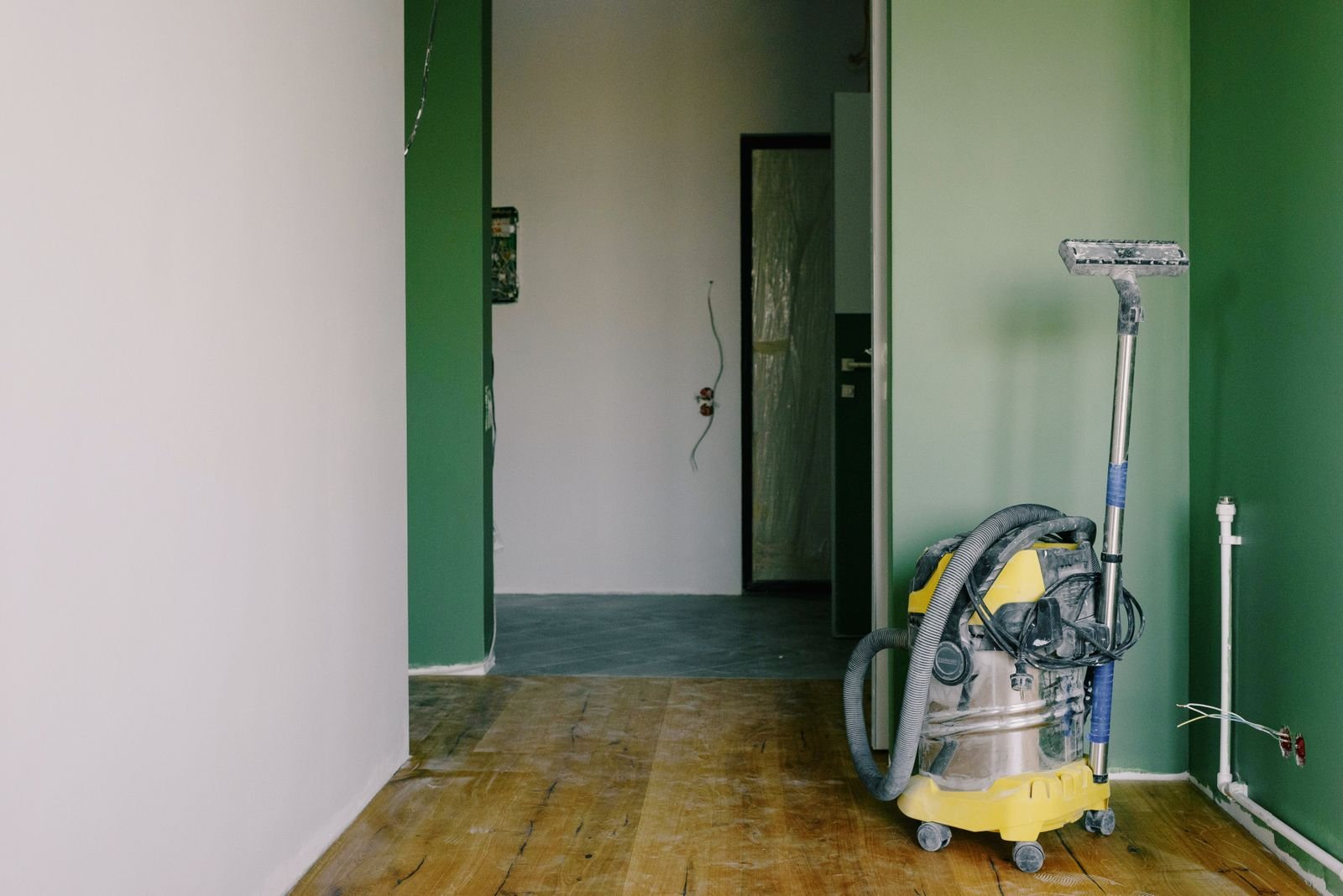
Water Damage Restoration
The full response — inspection, extraction, drying, and repair coordination — for any water event in a Sacramento County home or business.
See what's involved →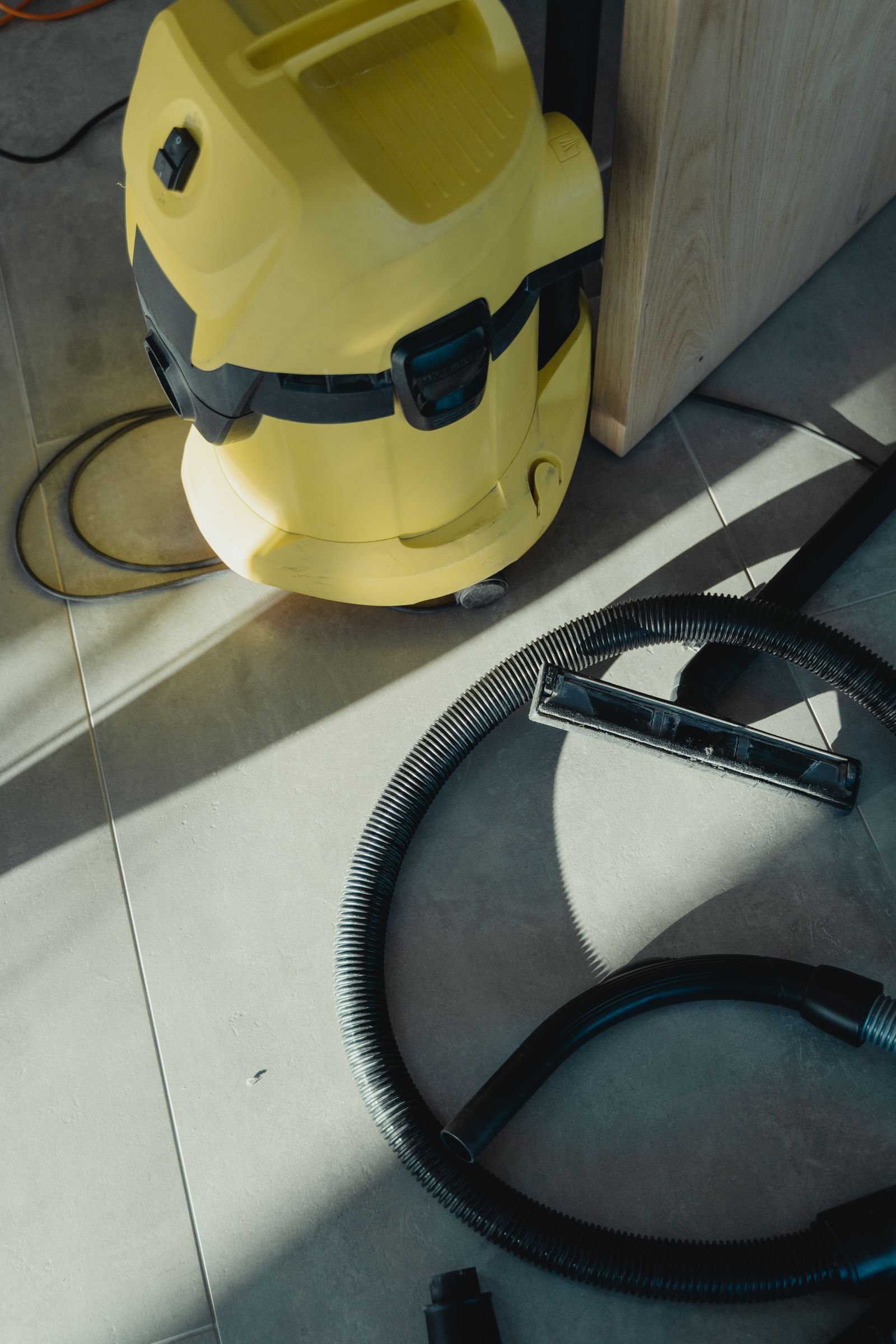
Emergency Water Removal
Fast, round-the-clock response to pull standing water out of your home before it spreads further or soaks into structural material.
See what's involved →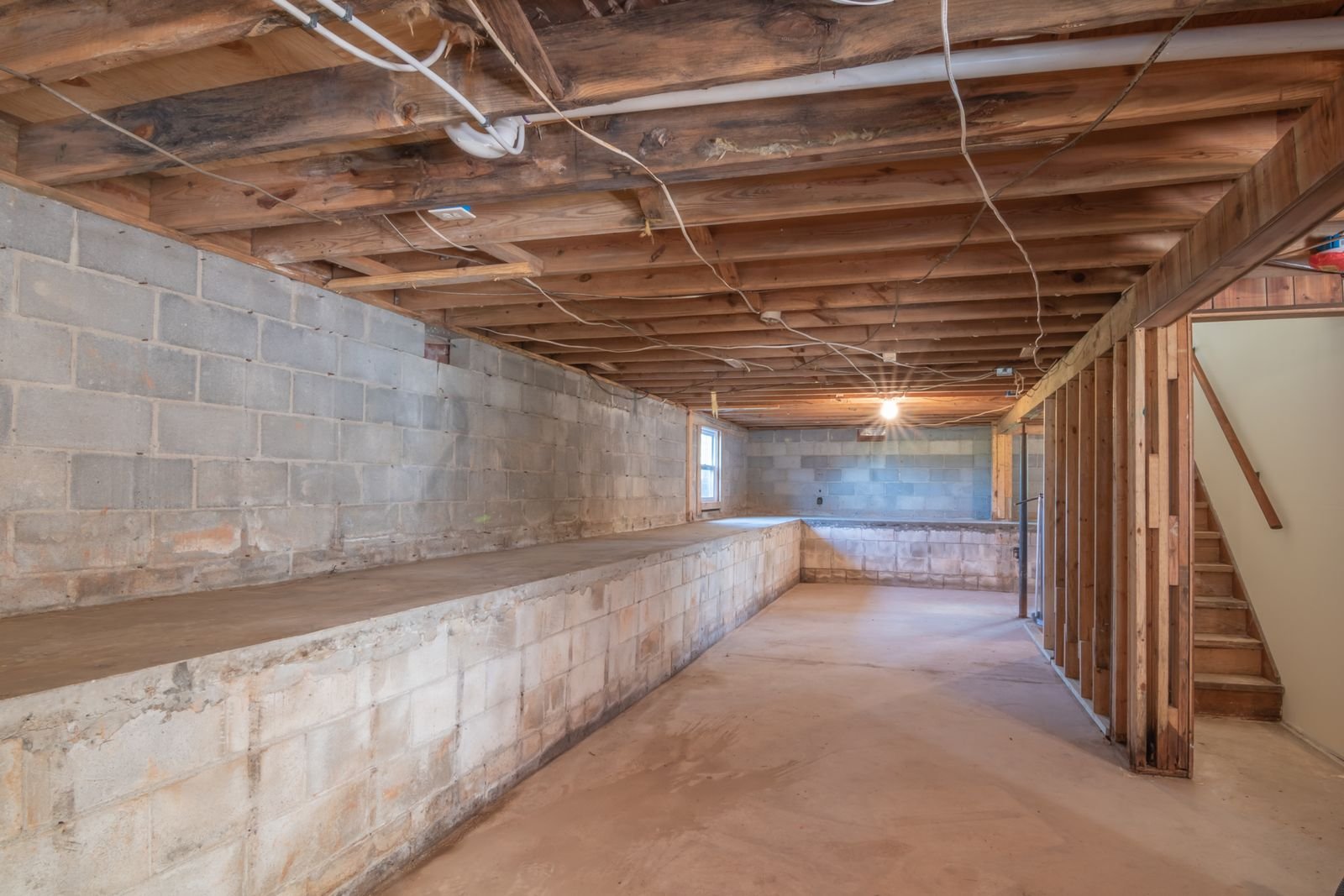
Basement Flood Cleanup
Extraction and structural drying for flooded basements, crawl spaces, and below-grade rooms — the areas most prone to trapped, lingering moisture.
See what's involved →
Flood Damage Cleanup
Cleanup and structural drying after larger-scale flooding from storms, overland water, or failed drainage — often multiple rooms or an entire floor at once.
See what's involved →
Ceiling Water Damage Repair
Drying and repair for water-stained, sagging, or leaking ceilings, usually tied to a roof leak or a plumbing failure on the floor above.
See what's involved →
Drywall Water Damage
Assessment, drying, and replacement of drywall that's been saturated, softened, or is already showing mold — with a clear read on what can be saved.
See what's involved →
Storm Damage Restoration
Water damage cleanup after wind-driven rain, roof intrusion, or flooding tied to a Sacramento County storm event.
See what's involved →
Structural Drying
Monitored, equipment-driven drying of framing, subfloor, insulation, and other structural material after any water event.
See what's involved →
Water Extraction
High-volume removal of standing water using truck-mounted and portable extraction equipment — the technical first step in any water damage response.
See what's involved →
Moisture Detection
Meter and thermal-imaging inspection to find hidden moisture behind walls, under flooring, and inside cavities — before it becomes a visible problem.
See what's involved →
Dehumidification Services
Commercial-grade dehumidification to pull residual moisture out of the air and structural material after extraction — the step that actually finishes the drying job.
See what's involved →
Mold Prevention After Water Damage
Antimicrobial treatment and monitored drying aimed at stopping mold before it has a chance to establish — the difference between a drying job and a remediation job.
See what's involved →
Commercial Water Damage Restoration
Fast-response extraction and drying for offices, retail spaces, and multi-unit properties, with a real focus on minimizing downtime.
See what's involved →
Residential Water Damage Restoration
The full extraction-to-repair process, scoped specifically for single-family homes and residential properties across Sacramento County.
See what's involved →Questions About Burst Pipe Cleanup
We handle the water damage side — extraction, drying, and repair coordination. For the plumbing repair itself, we work alongside a licensed plumber, or can recommend one if you need it.
We use moisture meters and thermal imaging to check inside wall cavities without opening them up first — if a section reads wet, we'll show you the reading and explain what needs to happen next.
Only where it's necessary — either because the material is already damaged beyond drying, or because it's the only way to dry a trapped pocket of water effectively. We'll always explain why before we cut anything.
A slab leak specifically can, over time, erode soil beneath a foundation — which is one of the reasons catching a slab leak early matters more than most homeowners realize.
Sudden pipe failures are generally covered under a standard homeowners policy as accidental water damage, though coverage details vary — we can help document the loss for your claim regardless.
Faster than most people expect — a full-pressure break can cover several hundred square feet of flooring in under an hour, which is why we treat every burst pipe call as an emergency response.
We can usually assess the extent of the damage with moisture detection tools before removing any cabinetry or finished surfaces, so nothing gets torn out unnecessarily.
Generally, yes — homes with original galvanized plumbing or 1970s–90s polybutylene lines see more age-related failures than newer Elk Grove construction with PEX, though any home can have a sudden break.
Water spreading right now? Call first, read later.
Every hour standing water sits is an hour it soaks deeper. We answer 24/7.
Tell us what's happening
We'll call or text back quickly with next steps and, for active water events, an arrival window the same day.
Phone: (916) 634-0972
Email: help@elkgrovewaterrestoration.com
Availability: Live 24/7 — water doesn't wait for business hours