Storm Damage Restoration
Water damage cleanup after wind-driven rain, roof intrusion, or flooding tied to a Sacramento County storm event.
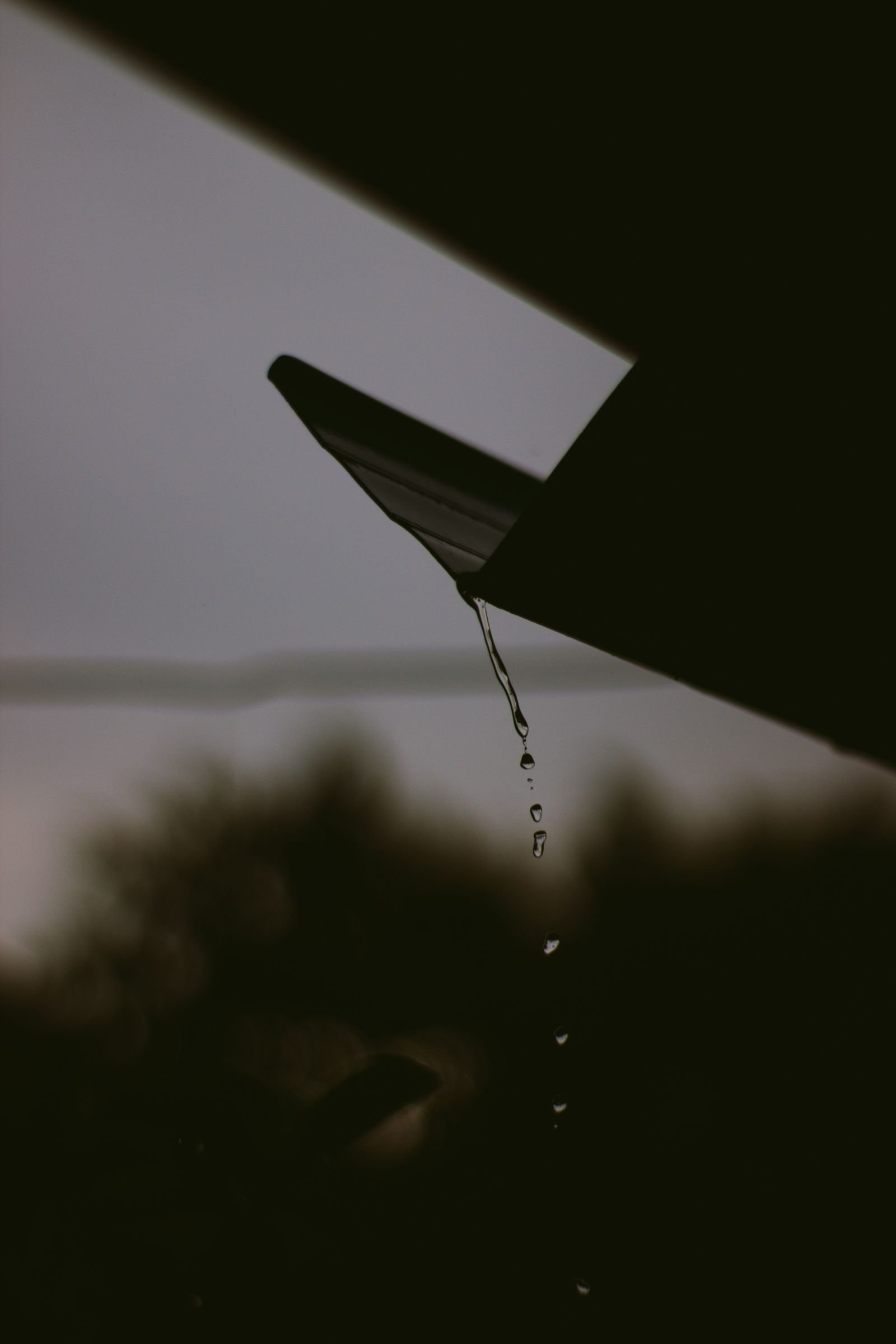
What storm damage restoration actually involves
Storm damage restoration covers the water intrusion that follows a specific weather event — wind-driven rain forcing water past window and door seals, a roof compromised by wind or debris, or drainage overwhelmed by an intense, fast-moving system. It's distinct from a plumbing failure in one important way: the source is often still active or expected to recur while the cleanup is happening.
Sacramento County's storm season runs roughly November through March, and the region's weather has real variability year to year — some winters bring a handful of moderate storms, others bring multiple atmospheric river systems back to back. Homes that have never had a storm-related leak can develop one the first time a genuinely severe system moves through, especially if roofing, flashing, or seals were already marginal.
Because storm damage is often ongoing rather than a one-time event, the response usually includes temporary measures — tarping, board-up, or emergency drainage — alongside the actual water extraction and drying work.
What this service actually covers
- Emergency tarping or board-up to stop ongoing intrusion
- Water extraction from every storm-affected room
- Moisture detection in attic and wall spaces near the entry point
- Structural drying coordinated with any needed roof repair
- Documentation of both the storm event and the resulting water damage
- Direct coordination with a roofer when repair is needed
Stabilization (tarping, board-up) usually happens the same day you call — full drying then runs the standard 3–5+ days once the source is secured.
What usually leads to this
Wind-driven rain past seals
Intense, sustained wind can force rain past window and door seals that hold up fine under normal rainfall.
Roof damage from wind or debris
Lifted or missing shingles, damaged flashing, or debris impact during a storm can open a direct path for water into the attic and ceiling below.
Overwhelmed gutters and downspouts
A storm heavy enough to exceed a gutter system's capacity sends water directly down exterior walls and toward the foundation instead of away from the house.
Power outages affecting sump pumps
Storms are also the most common cause of power outages, and a sump pump without backup power fails at exactly the moment it's needed most.
Fallen trees or branches
Storm-driven tree damage to a roof creates a sudden, often large opening rather than a gradual leak.
What to look for
Water intrusion during active rain
Water appearing specifically during storms — and not other times — points to a wind- or pressure-related entry point rather than a plumbing issue.
Missing or visibly damaged shingles
A visual check after a storm (from the ground, not the roof) can catch obvious damage before the next rain finds its way through.
Water around windows or doors specifically
Water tracking in around window and door frames rather than elsewhere in a room points to a seal failure being tested by wind pressure.
Debris or granules in gutters and downspouts
Excess shingle granules or debris after a storm can be an early sign of roofing material stress even before a leak develops.
Standing water pooling against the foundation
Water sitting against the house rather than draining away is a sign the site drainage was overwhelmed and worth investigating.
What happens if this doesn't get addressed
Recurring damage from an unrepaired opening
Drying a storm-damaged area without tarping or repairing the entry point just resets the problem for the next storm.
Compounding damage across multiple storm events
A minor storm leak left unaddressed often becomes a much larger problem by the second or third storm of the season.
Attic and insulation saturation
Roof-related storm intrusion often affects attic insulation first, which can go unnoticed far longer than a leak that reaches a living space.
Mold in wall cavities near compromised seals
Repeated wind-driven rain intrusion around windows and doors creates the kind of intermittent-but-recurring moisture that's especially prone to mold.
Structural risk from wind and water combined
Storm events that combine physical damage (from wind or debris) with water intrusion need both issues addressed — treating only the water misses the underlying vulnerability.
Storm response often starts with stabilizing the property — tarping a roof, boarding a broken window — before the standard extraction and drying sequence can fully begin.
From the first call to a verified-dry home
This is the same nine-step sequence on every job, whether it's one bathroom or an entire floor — the scope changes, the process doesn't.
Inspection
We assess the source, the scope, and the water category before touching anything.
Moisture detection
Meters and thermal imaging map exactly where water has traveled, including inside walls and under floors.
Water extraction
Truck-mounted and portable extraction equipment pulls standing water fast.
Structural drying
Air movers and drying equipment target framing, subfloor, and drywall directly.
Dehumidification
Commercial dehumidifiers pull moisture out of the air so materials can actually release it.
Cleaning
Affected surfaces and belongings are cleaned as part of the drying process, not left for last.
Sanitizing
Antimicrobial treatment where the water category calls for it, to get ahead of mold and bacteria.
Repairs
Drywall, flooring, and trim replacement is coordinated once everything underneath is verified dry.
Final inspection
Moisture readings confirm the structure is back to a normal, stable level before we call it done.
Serving the greater Elk Grove & Sacramento area
Other Services
These often come up together with this job — no reason to juggle separate calls.
Water Damage Restoration
The full response — inspection, extraction, drying, and repair coordination — for any water event in a Sacramento County home or business.
See what's involved →
Emergency Water Removal
Fast, round-the-clock response to pull standing water out of your home before it spreads further or soaks into structural material.
See what's involved →
Burst Pipe Cleanup
Extraction, drying, and cleanup after a supply line or pipe failure — coordinated with your plumber, not in place of one.
See what's involved →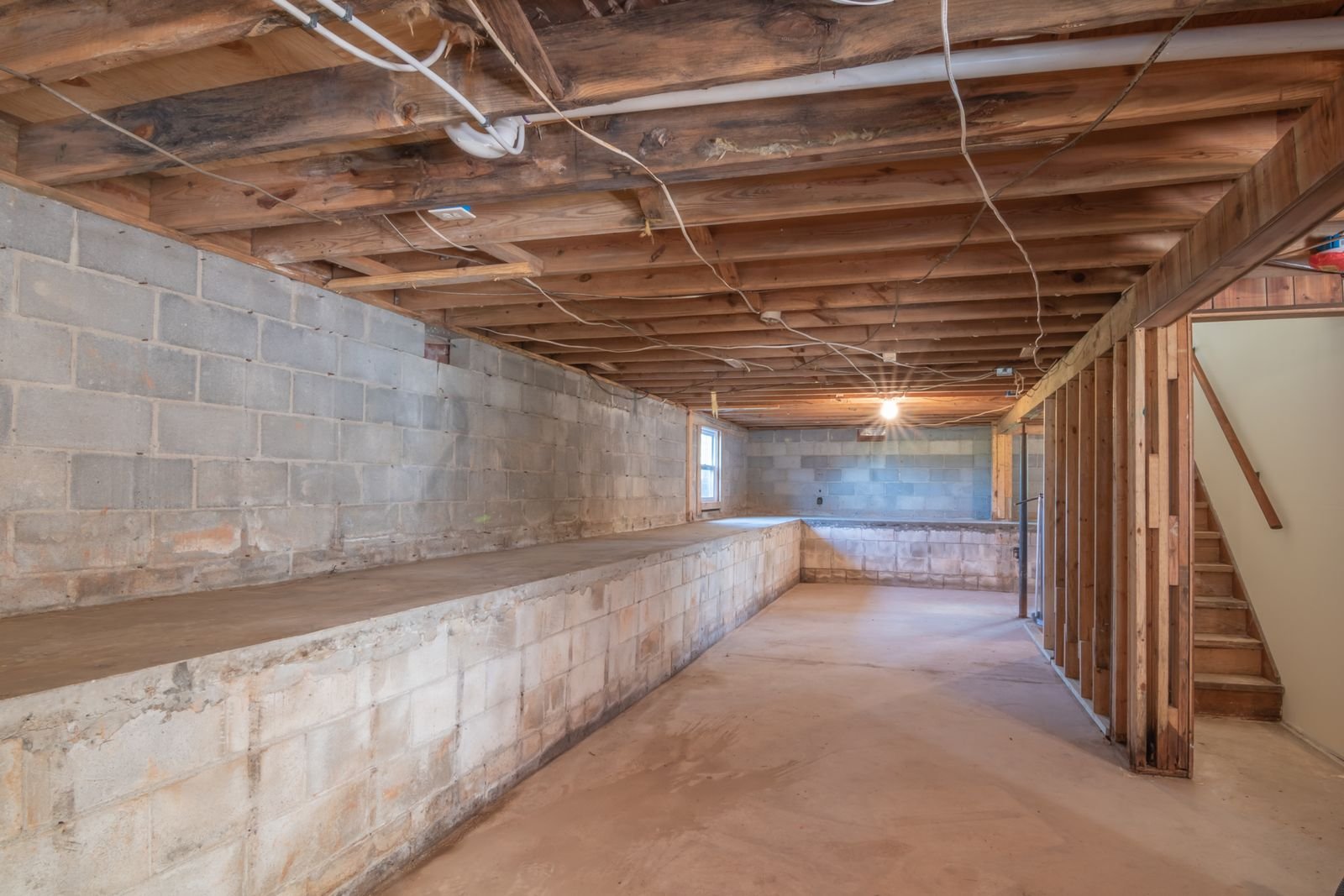
Basement Flood Cleanup
Extraction and structural drying for flooded basements, crawl spaces, and below-grade rooms — the areas most prone to trapped, lingering moisture.
See what's involved →
Flood Damage Cleanup
Cleanup and structural drying after larger-scale flooding from storms, overland water, or failed drainage — often multiple rooms or an entire floor at once.
See what's involved →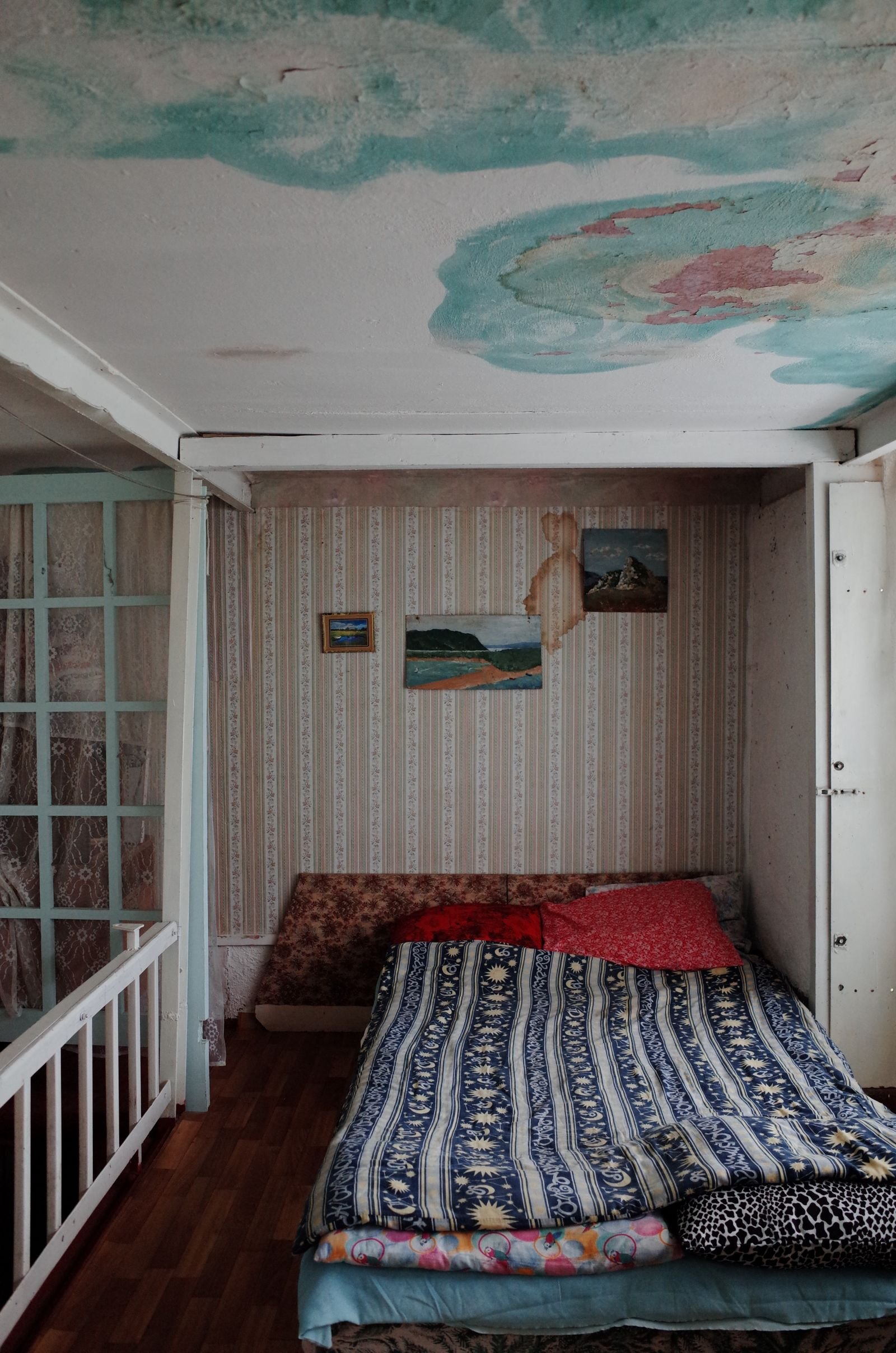
Ceiling Water Damage Repair
Drying and repair for water-stained, sagging, or leaking ceilings, usually tied to a roof leak or a plumbing failure on the floor above.
See what's involved →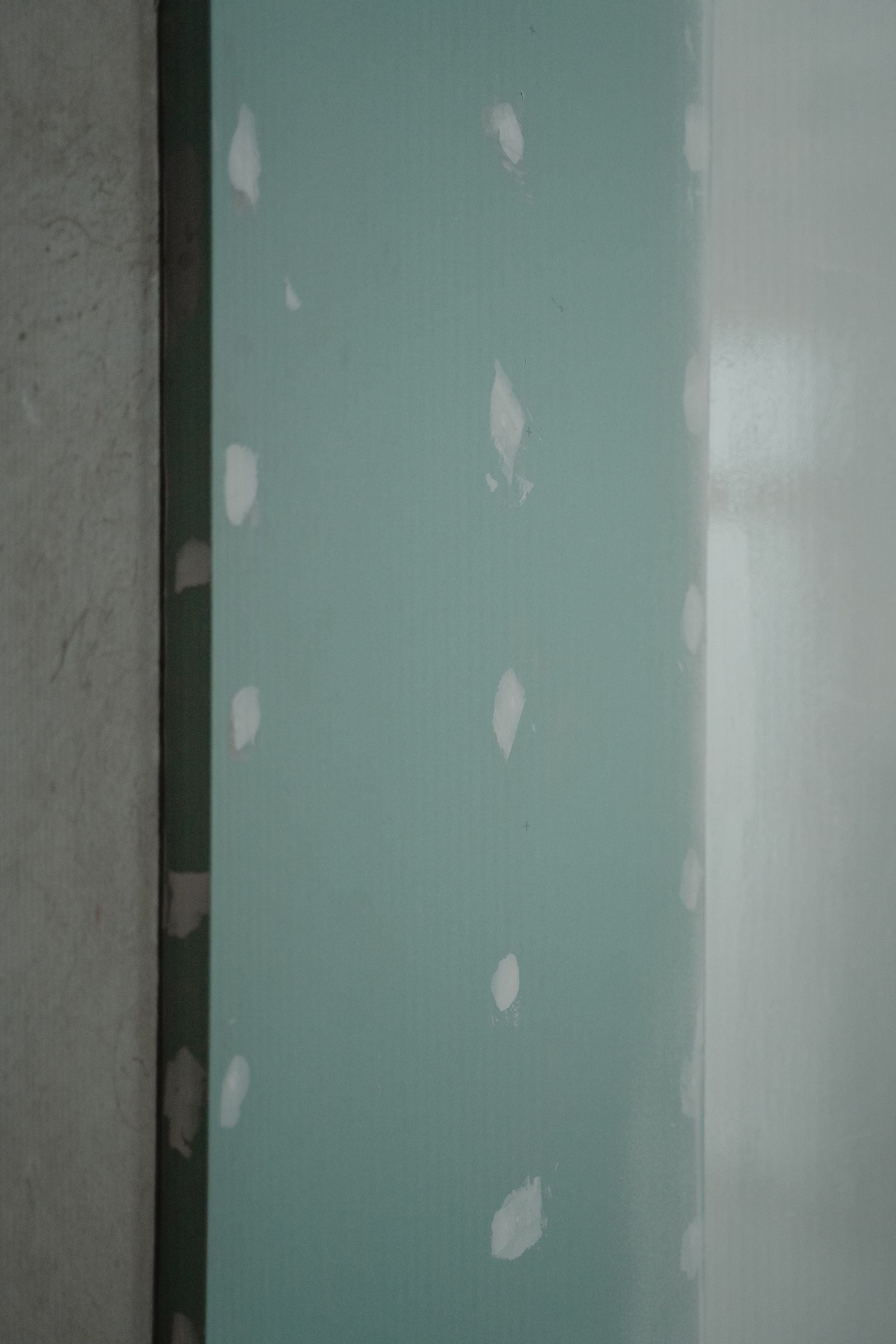
Drywall Water Damage
Assessment, drying, and replacement of drywall that's been saturated, softened, or is already showing mold — with a clear read on what can be saved.
See what's involved →
Structural Drying
Monitored, equipment-driven drying of framing, subfloor, insulation, and other structural material after any water event.
See what's involved →
Water Extraction
High-volume removal of standing water using truck-mounted and portable extraction equipment — the technical first step in any water damage response.
See what's involved →
Moisture Detection
Meter and thermal-imaging inspection to find hidden moisture behind walls, under flooring, and inside cavities — before it becomes a visible problem.
See what's involved →
Dehumidification Services
Commercial-grade dehumidification to pull residual moisture out of the air and structural material after extraction — the step that actually finishes the drying job.
See what's involved →
Mold Prevention After Water Damage
Antimicrobial treatment and monitored drying aimed at stopping mold before it has a chance to establish — the difference between a drying job and a remediation job.
See what's involved →
Commercial Water Damage Restoration
Fast-response extraction and drying for offices, retail spaces, and multi-unit properties, with a real focus on minimizing downtime.
See what's involved →
Residential Water Damage Restoration
The full extraction-to-repair process, scoped specifically for single-family homes and residential properties across Sacramento County.
See what's involved →Questions About Storm Damage Restoration
Yes — we prioritize active storm-related calls and can provide emergency stabilization like tarping alongside water removal.
We handle water extraction, drying, and interior repair; for the roofing repair itself, we coordinate with a roofer or can recommend one.
Most policies cover sudden storm-related water intrusion, though coverage details vary by policy — we document the event thoroughly to support your claim.
We can run drying equipment on generator power when needed, and we'll factor outage duration into the drying timeline and plan.
Emergency tarping, board-up, or temporary sealing measures are part of stabilizing a property before or alongside extraction and drying.
Yes — and both need to be addressed, since repairing only the visible water damage without fixing the underlying wind or structural damage leaves the property vulnerable to the next storm.
Areas near the Sacramento and Cosumnes rivers and other low-lying or flood-control-adjacent zones tend to see more storm-related water intrusion during unusually wet winters.
As soon as it's safe to do so — an active leak during an ongoing storm season is likely to recur before it's addressed, and each additional storm compounds the damage.
Water spreading right now? Call first, read later.
Every hour standing water sits is an hour it soaks deeper. We answer 24/7.
Tell us what's happening
We'll call or text back quickly with next steps and, for active water events, an arrival window the same day.
Phone: (916) 634-0972
Email: help@elkgrovewaterrestoration.com
Availability: Live 24/7 — water doesn't wait for business hours