Water Extraction
High-volume removal of standing water using truck-mounted and portable extraction equipment — the technical first step in any water damage response.
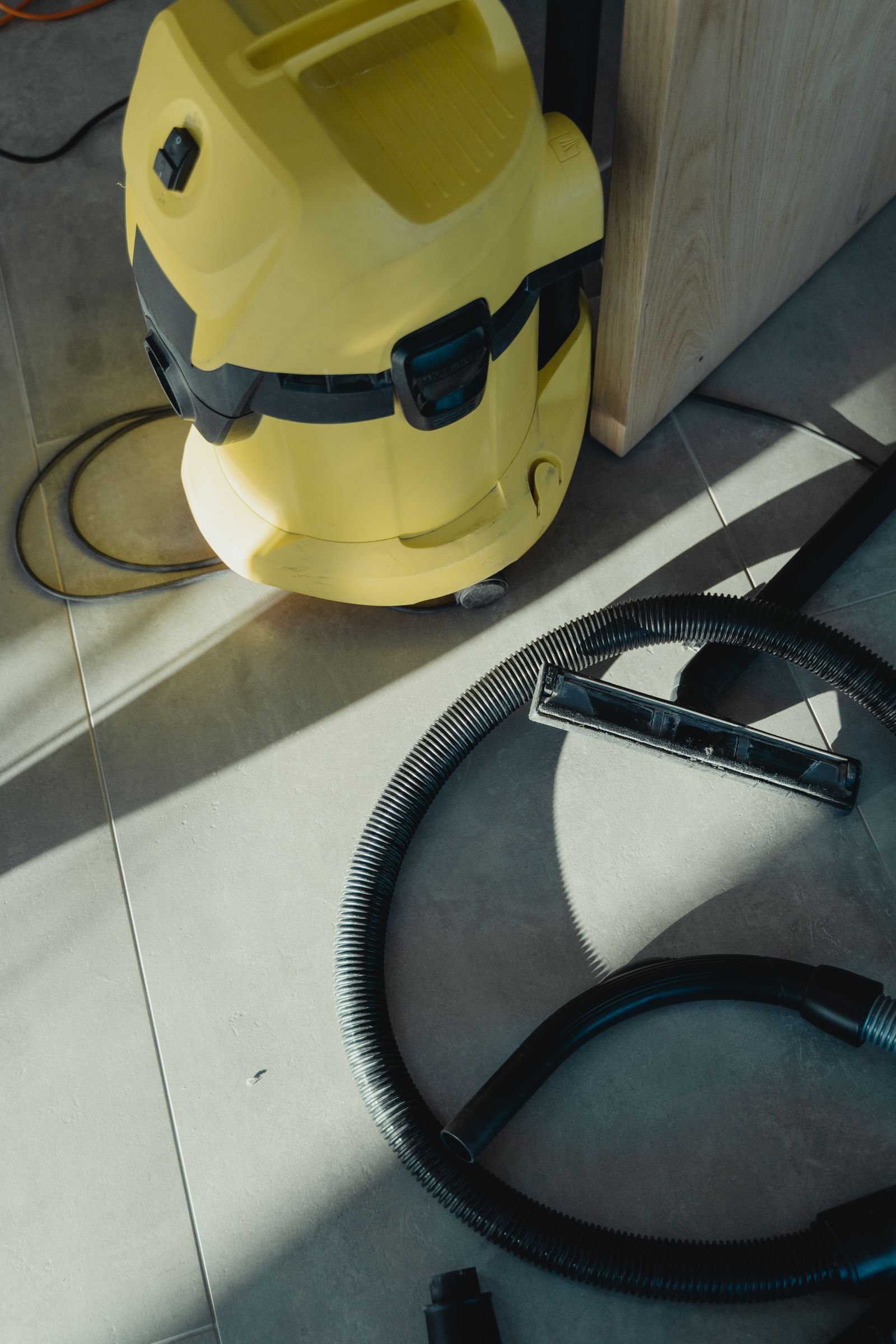
What water extraction actually involves
Water extraction is the physical removal of standing and trapped water — the step that happens before drying can even begin. It sounds simple, but the equipment and technique matter more than most people expect: a household wet vac moves a fraction of the volume a truck-mounted extraction unit can, and it doesn't reach water trapped in carpet padding or beneath flooring the way professional equipment does.
We use different extraction equipment depending on the job. Truck-mounted units offer the highest extraction power and are ideal for larger volumes of water; portable extraction units go where a truck-mounted hose can't reach — upper floors, detached structures, or tight spaces. Weighted extraction tools are used specifically to push water out of carpet and padding rather than just pulling from the surface.
The goal of extraction is to remove as much water as physically possible before drying equipment takes over — every gallon removed by extraction is moisture the dehumidifiers don't have to pull out of the air later, which meaningfully shortens the overall drying timeline.
What this service actually covers
- On-site assessment of standing and trapped water volume
- Truck-mounted extraction for large-volume losses
- Portable extraction for upper floors, crawl spaces, or tight areas
- Weighted extraction tools for carpet and padding
- Targeted extraction for water trapped under flooring
- Extraction equipment and technique matched to the water category involved
Extraction is usually the fastest phase of a job — often an hour or two for a single room, scaling up with the size of the loss.
What usually leads to this
Any standing water event
Burst pipes, appliance failures, storm intrusion, and flooding all create the same immediate need — get the standing water out as completely and quickly as possible.
Saturated carpet and padding
Carpet padding holds significantly more water than the carpet itself and needs weighted extraction to remove effectively, not just surface vacuuming.
Water trapped under flooring
Water that's migrated beneath hardwood, laminate, or tile needs specialized extraction approaches, sometimes including drilling small access holes for injection drying.
Basements and other low points
Any low point in a structure collects water by gravity and often needs the highest-capacity extraction equipment available.
Large-volume losses
Bigger events — full-room or multi-room flooding — need extraction capacity that scales with volume, which is where truck-mounted equipment matters most.
What to look for
Visible standing water
Any pooling water is a signal for immediate extraction — the longer it sits, the deeper it penetrates surrounding material.
Carpet that squishes or releases water underfoot
This means the padding beneath is fully saturated and needs weighted extraction, not just a pass with a shop vac.
A spongy feeling in flooring
Flooring that gives slightly underfoot often means water is trapped beneath it, requiring targeted extraction rather than surface treatment.
Water continuing to appear after initial cleanup
If water keeps reappearing after it seems removed, there's likely a reservoir trapped somewhere — under flooring, inside a wall base, or in padding — that surface extraction missed.
Slow-draining or standing water in a basement
Basements need extraction equipment capable of handling water that has nowhere to drain naturally.
What happens if this doesn't get addressed
Incomplete extraction leaving trapped water
Water left in padding, subfloor, or wall cavities after a surface-level cleanup becomes the source of a mold problem days or weeks later.
Extended drying time
Every gallon not removed by extraction has to be pulled out by dehumidification instead, which is a much slower process — poor extraction directly extends the whole restoration timeline.
Damage to flooring from delayed extraction
Hardwood and laminate flooring are especially vulnerable to permanent warping the longer standing water sits before extraction.
Contamination spreading during extraction
Extracting contaminated water (Category 2 or 3) with the wrong equipment or technique can spread contamination rather than contain it — this is a case where the right equipment and process genuinely matters.
Underpowered equipment on large losses
Household equipment simply can't match the volume a significant water event produces, leading to a cleanup that never really catches up to the problem.
Extraction is the second step in the full process, right after inspection and moisture mapping — getting it right sets up everything that follows, including how long the drying phase takes.
From the first call to a verified-dry home
This is the same nine-step sequence on every job, whether it's one bathroom or an entire floor — the scope changes, the process doesn't.
Inspection
We assess the source, the scope, and the water category before touching anything.
Moisture detection
Meters and thermal imaging map exactly where water has traveled, including inside walls and under floors.
Water extraction
Truck-mounted and portable extraction equipment pulls standing water fast.
Structural drying
Air movers and drying equipment target framing, subfloor, and drywall directly.
Dehumidification
Commercial dehumidifiers pull moisture out of the air so materials can actually release it.
Cleaning
Affected surfaces and belongings are cleaned as part of the drying process, not left for last.
Sanitizing
Antimicrobial treatment where the water category calls for it, to get ahead of mold and bacteria.
Repairs
Drywall, flooring, and trim replacement is coordinated once everything underneath is verified dry.
Final inspection
Moisture readings confirm the structure is back to a normal, stable level before we call it done.
Serving the greater Elk Grove & Sacramento area
Other Services
These often come up together with this job — no reason to juggle separate calls.
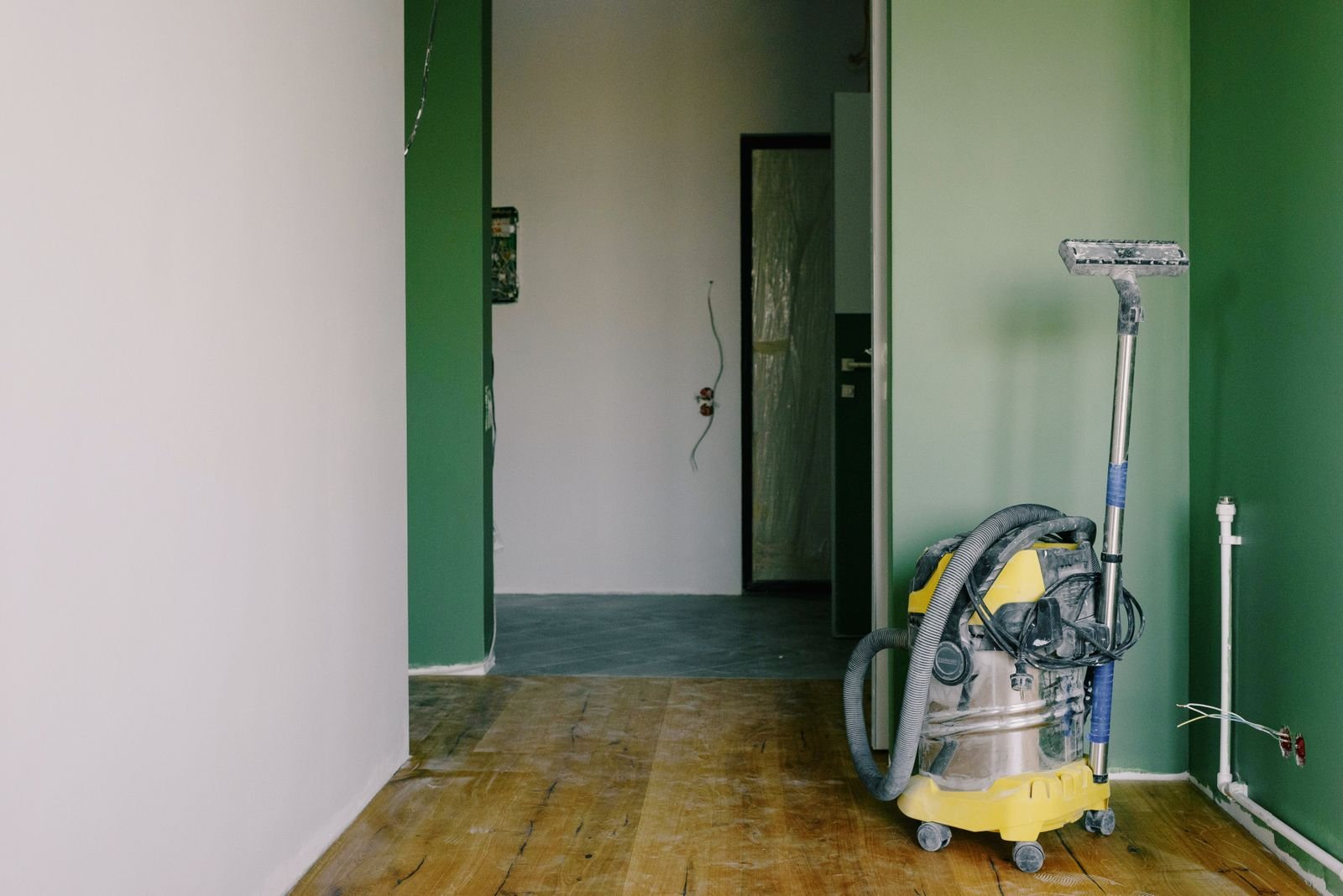
Water Damage Restoration
The full response — inspection, extraction, drying, and repair coordination — for any water event in a Sacramento County home or business.
See what's involved →
Emergency Water Removal
Fast, round-the-clock response to pull standing water out of your home before it spreads further or soaks into structural material.
See what's involved →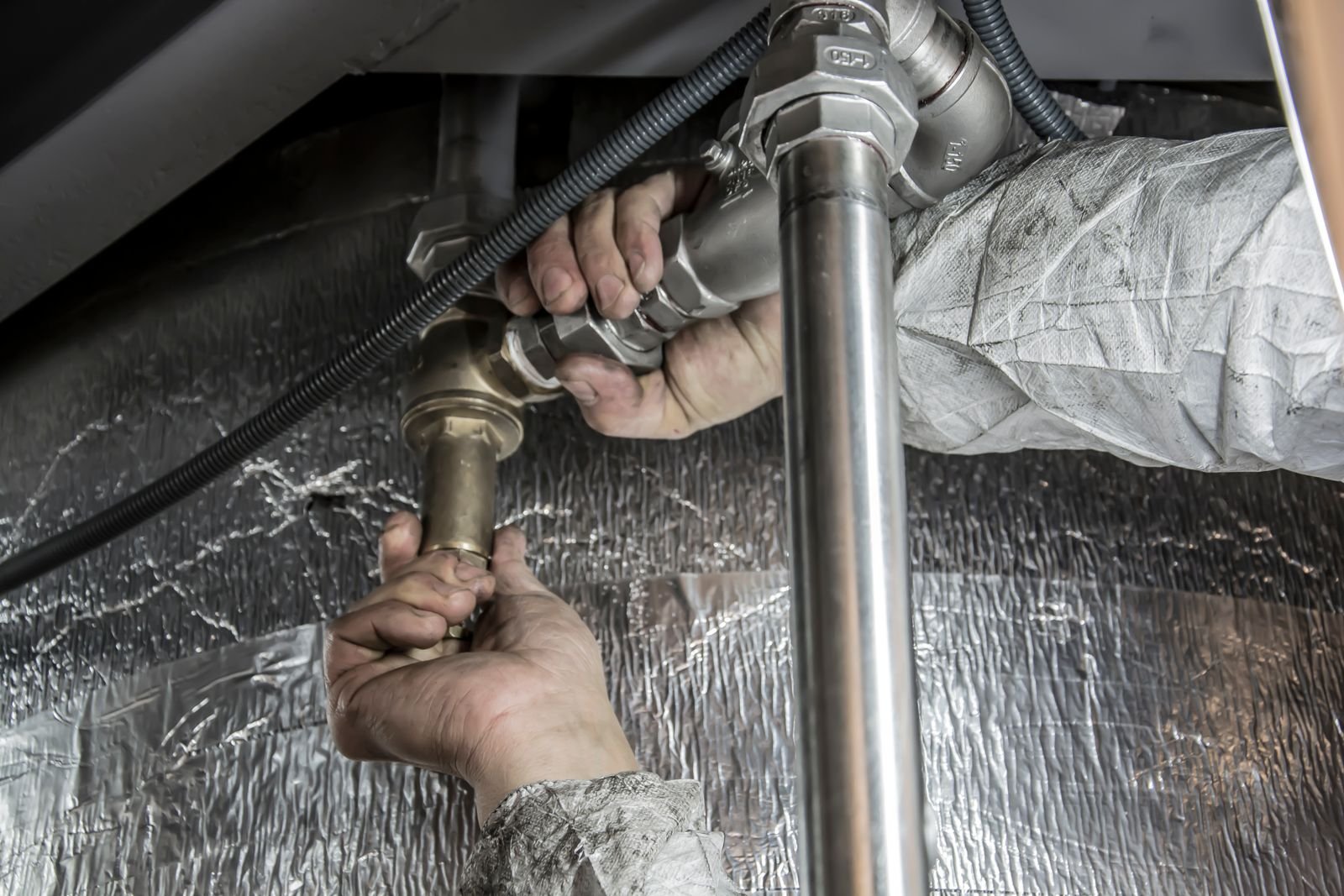
Burst Pipe Cleanup
Extraction, drying, and cleanup after a supply line or pipe failure — coordinated with your plumber, not in place of one.
See what's involved →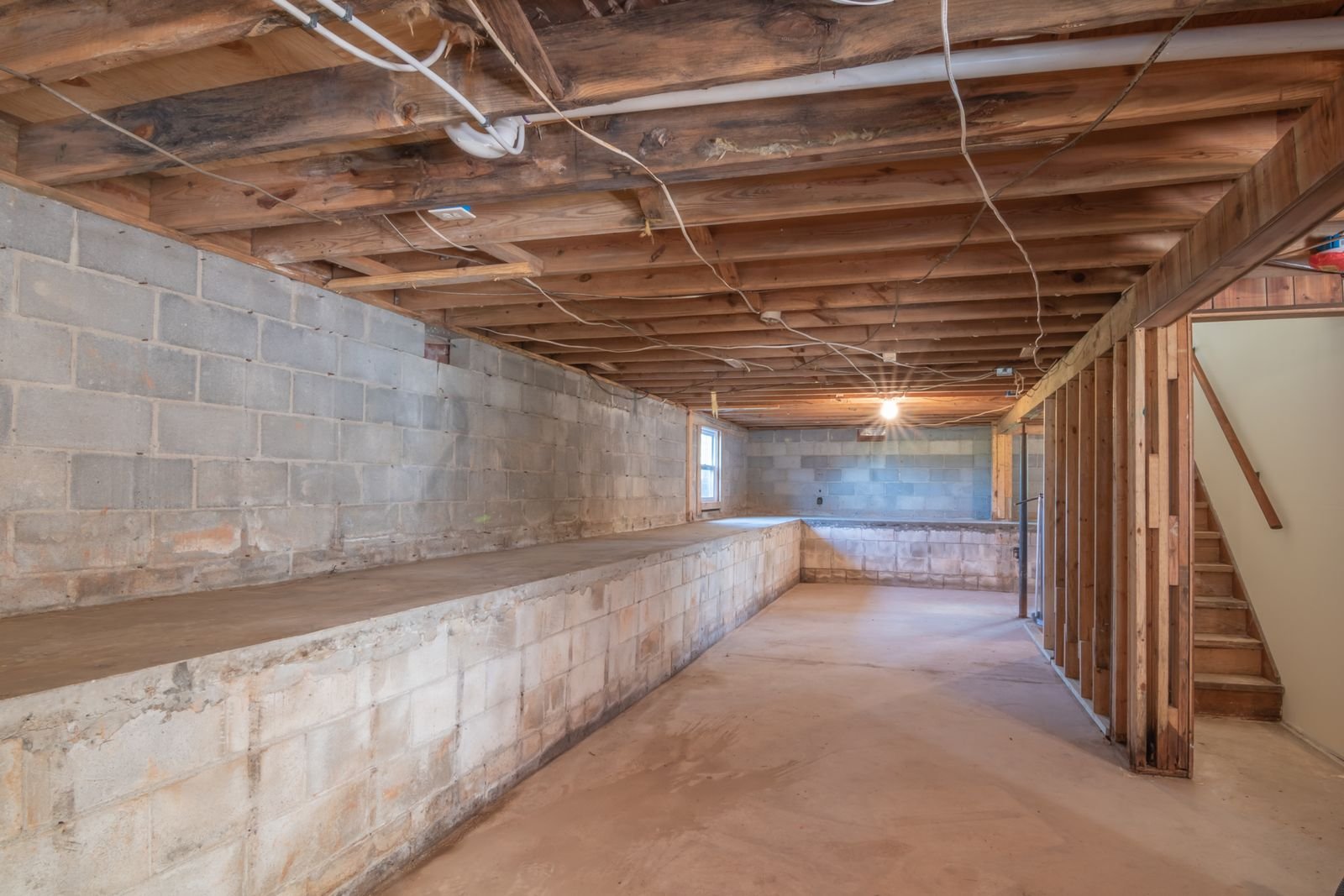
Basement Flood Cleanup
Extraction and structural drying for flooded basements, crawl spaces, and below-grade rooms — the areas most prone to trapped, lingering moisture.
See what's involved →
Flood Damage Cleanup
Cleanup and structural drying after larger-scale flooding from storms, overland water, or failed drainage — often multiple rooms or an entire floor at once.
See what's involved →
Ceiling Water Damage Repair
Drying and repair for water-stained, sagging, or leaking ceilings, usually tied to a roof leak or a plumbing failure on the floor above.
See what's involved →
Drywall Water Damage
Assessment, drying, and replacement of drywall that's been saturated, softened, or is already showing mold — with a clear read on what can be saved.
See what's involved →
Storm Damage Restoration
Water damage cleanup after wind-driven rain, roof intrusion, or flooding tied to a Sacramento County storm event.
See what's involved →
Structural Drying
Monitored, equipment-driven drying of framing, subfloor, insulation, and other structural material after any water event.
See what's involved →
Moisture Detection
Meter and thermal-imaging inspection to find hidden moisture behind walls, under flooring, and inside cavities — before it becomes a visible problem.
See what's involved →
Dehumidification Services
Commercial-grade dehumidification to pull residual moisture out of the air and structural material after extraction — the step that actually finishes the drying job.
See what's involved →
Mold Prevention After Water Damage
Antimicrobial treatment and monitored drying aimed at stopping mold before it has a chance to establish — the difference between a drying job and a remediation job.
See what's involved →
Commercial Water Damage Restoration
Fast-response extraction and drying for offices, retail spaces, and multi-unit properties, with a real focus on minimizing downtime.
See what's involved →
Residential Water Damage Restoration
The full extraction-to-repair process, scoped specifically for single-family homes and residential properties across Sacramento County.
See what's involved →Questions About Water Extraction
Truck-mounted units offer more power and are ideal for large volumes; portable units go where a hose from the truck can't reach, like upper floors or detached structures. We use whichever fits the job.
In many cases, yes — depending on the flooring type, we can extract trapped water through existing gaps or small access points without full removal of the flooring itself.
For a very small, contained spill, maybe — but for anything involving carpet padding, subfloor, or more than a small area, professional extraction equipment removes meaningfully more water and does it faster.
Extraction is usually the fastest part of the process — often an hour or two for a single room, though it scales with the size and severity of the loss.
Extraction removes standing and readily accessible water; materials still retain absorbed moisture afterward, which is what the structural drying phase addresses.
Yes — crawl spaces need extraction equipment suited to tight, low-clearance areas, which we bring as part of a standard response.
Category 2 or 3 water is extracted and disposed of according to standard restoration protocols, with containment measures to prevent spreading contamination to unaffected areas.
We can extract water from some furniture depending on the material, though heavily saturated upholstered items are sometimes better assessed separately for restoration versus replacement.
Water spreading right now? Call first, read later.
Every hour standing water sits is an hour it soaks deeper. We answer 24/7.
Tell us what's happening
We'll call or text back quickly with next steps and, for active water events, an arrival window the same day.
Phone: (916) 634-0972
Email: help@elkgrovewaterrestoration.com
Availability: Live 24/7 — water doesn't wait for business hours