Dehumidification Services
Commercial-grade dehumidification to pull residual moisture out of the air and structural material after extraction — the step that actually finishes the drying job.
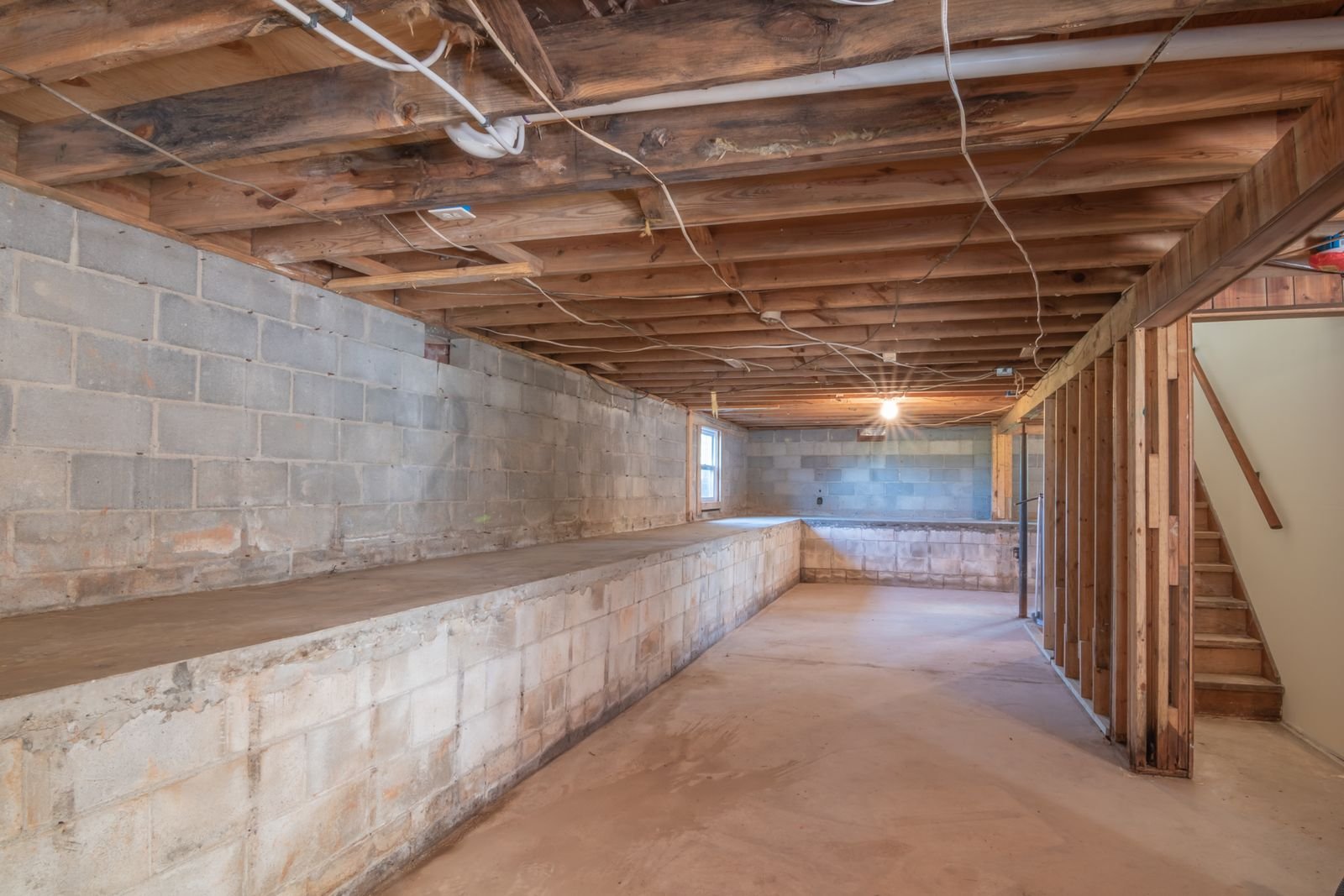
What dehumidification services actually involves
Dehumidification is what actually removes moisture from a space once extraction has taken out the standing water. Air movers alone circulate air and speed evaporation from surfaces, but that moisture has to go somewhere — without dehumidification pulling it out of the air, evaporated moisture just raises the humidity in the room and slows everything down, sometimes even redepositing into nearby dry materials.
We use two main types of commercial dehumidifiers depending on conditions. Refrigerant dehumidifiers work well in warmer, more humid environments — pulling air across a cold coil to condense moisture out — and are the more common choice for most residential jobs. Desiccant dehumidifiers use a chemical drying agent and perform better in colder conditions or when very low humidity levels are needed, such as drying dense materials like hardwood or concrete.
Getting dehumidifier sizing and placement right is a real calculation, not a guess — undersized equipment for the affected square footage just extends the drying timeline, while correctly sized equipment can cut days off a job.
What this service actually covers
- Humidity and equipment-sizing assessment for the affected space
- Refrigerant or desiccant dehumidifier deployment, whichever fits conditions
- Placement calculated for the actual square footage, not guesswork
- Daily monitoring against ambient and material moisture readings
- Equipment adjustments as the space dries
- Confirmation the space has reached a normal, stable humidity level
Dehumidifiers typically run the same 3–5 day window as the broader drying process — longer for basements or dense materials.
What usually leads to this
Any water event requiring structural drying
Dehumidification is a standard part of the drying process anytime materials have absorbed water, not an optional add-on.
High ambient humidity slowing natural drying
Sacramento County's occasional humid stretches, especially during and after storms, can stall natural evaporation without mechanical dehumidification helping it along.
Basements and other naturally humid spaces
Below-grade spaces run more humid than the rest of a house even without an active leak, which is part of why they're slower to dry after a water event.
Dense or slow-releasing materials
Concrete, engineered wood, and thick subfloor all need sustained, controlled humidity reduction over a longer period than lighter materials.
Preventing secondary mold growth during drying
Keeping ambient humidity low throughout the drying process is itself a mold-prevention measure, not just a speed consideration.
What to look for
A room that feels muggy or humid after a water event
This usually means air movers are running without adequate dehumidification to match, which stalls the whole process.
Condensation on windows or cold surfaces
Visible condensation is a direct sign the air is holding more moisture than it should during a drying process.
A drying timeline that seems stalled
If moisture readings aren't improving day to day, insufficient dehumidification capacity for the space is one of the most common reasons.
A persistent musty smell during drying
High ambient humidity during the drying process itself can support ongoing microbial activity even as the original water is being removed.
Chronic basement or crawl space dampness
Spaces that stay damp even without an active leak often benefit from ongoing or periodic dehumidification, separate from event-based drying.
What happens if this doesn't get addressed
Extended drying timelines
Without proper dehumidification, air movers alone can actually slow drying by keeping ambient humidity high, working against the goal.
Moisture redepositing into dry materials
Evaporated moisture that isn't removed from the air can migrate into and dampen previously unaffected materials nearby.
Mold growth during a stalled drying process
A drying process that drags on due to inadequate dehumidification gives mold more time and better conditions to establish.
Incomplete drying of dense materials
Concrete and engineered wood in particular need sustained dehumidification — cutting this step short leaves these materials only partially dry.
Higher overall restoration cost
A longer drying timeline from underpowered dehumidification generally means more days of equipment rental and labor, regardless of who's paying for it.
Dehumidification runs continuously alongside structural drying, sized to the affected square footage and monitored daily against moisture readings until the space reaches a normal, stable humidity level.
From the first call to a verified-dry home
This is the same nine-step sequence on every job, whether it's one bathroom or an entire floor — the scope changes, the process doesn't.
Inspection
We assess the source, the scope, and the water category before touching anything.
Moisture detection
Meters and thermal imaging map exactly where water has traveled, including inside walls and under floors.
Water extraction
Truck-mounted and portable extraction equipment pulls standing water fast.
Structural drying
Air movers and drying equipment target framing, subfloor, and drywall directly.
Dehumidification
Commercial dehumidifiers pull moisture out of the air so materials can actually release it.
Cleaning
Affected surfaces and belongings are cleaned as part of the drying process, not left for last.
Sanitizing
Antimicrobial treatment where the water category calls for it, to get ahead of mold and bacteria.
Repairs
Drywall, flooring, and trim replacement is coordinated once everything underneath is verified dry.
Final inspection
Moisture readings confirm the structure is back to a normal, stable level before we call it done.
Serving the greater Elk Grove & Sacramento area
Other Services
These often come up together with this job — no reason to juggle separate calls.
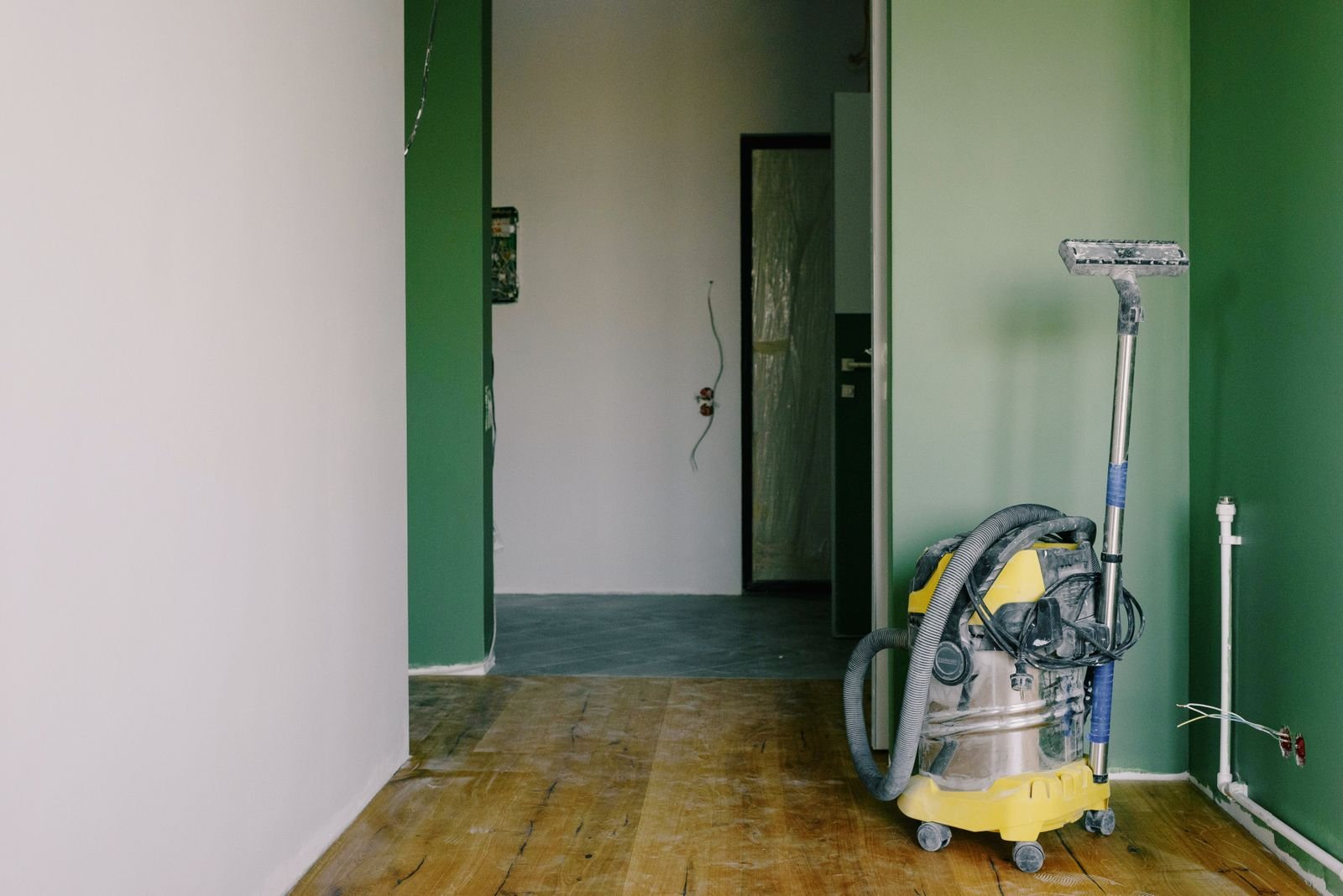
Water Damage Restoration
The full response — inspection, extraction, drying, and repair coordination — for any water event in a Sacramento County home or business.
See what's involved →
Emergency Water Removal
Fast, round-the-clock response to pull standing water out of your home before it spreads further or soaks into structural material.
See what's involved →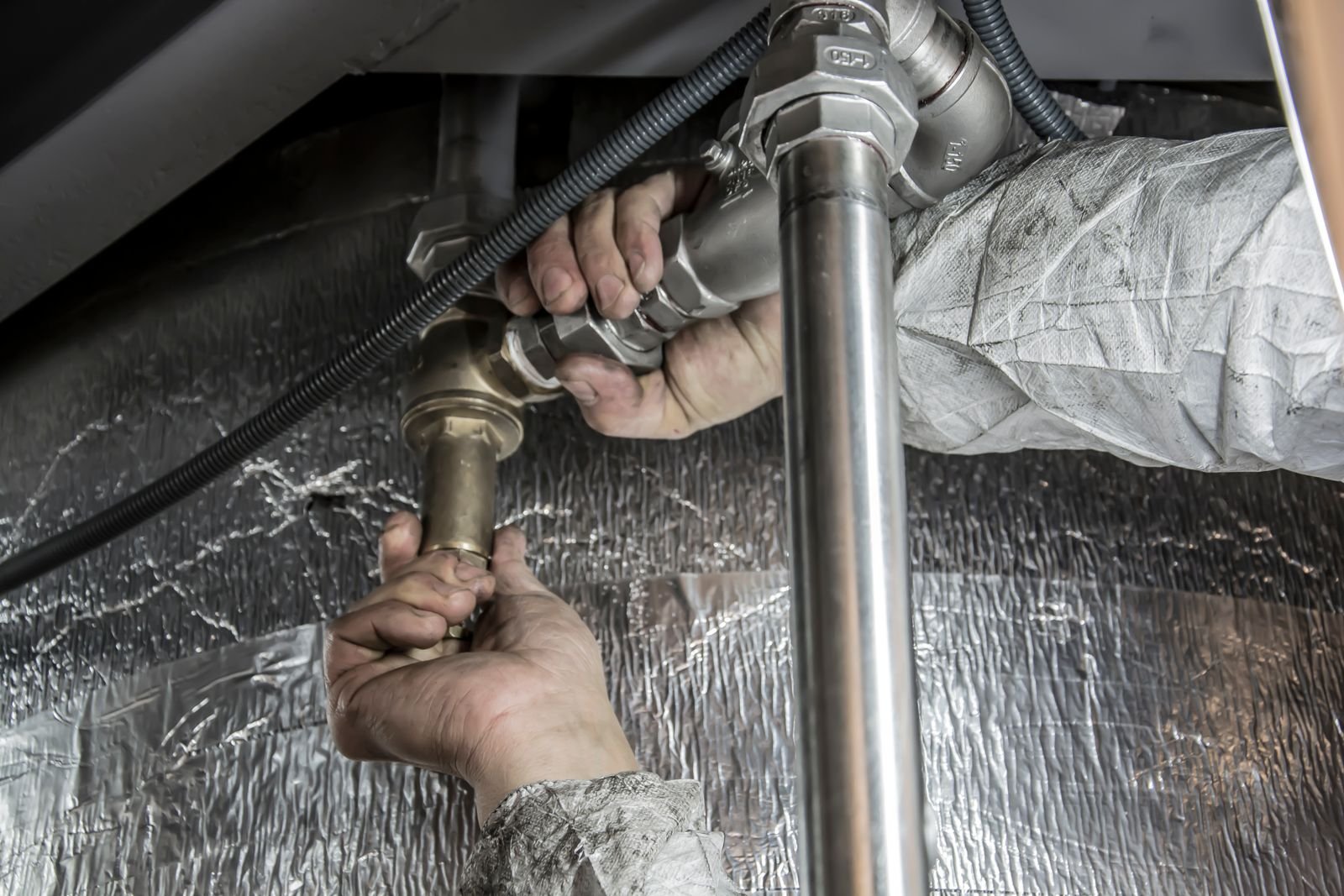
Burst Pipe Cleanup
Extraction, drying, and cleanup after a supply line or pipe failure — coordinated with your plumber, not in place of one.
See what's involved →
Basement Flood Cleanup
Extraction and structural drying for flooded basements, crawl spaces, and below-grade rooms — the areas most prone to trapped, lingering moisture.
See what's involved →
Flood Damage Cleanup
Cleanup and structural drying after larger-scale flooding from storms, overland water, or failed drainage — often multiple rooms or an entire floor at once.
See what's involved →
Ceiling Water Damage Repair
Drying and repair for water-stained, sagging, or leaking ceilings, usually tied to a roof leak or a plumbing failure on the floor above.
See what's involved →
Drywall Water Damage
Assessment, drying, and replacement of drywall that's been saturated, softened, or is already showing mold — with a clear read on what can be saved.
See what's involved →
Storm Damage Restoration
Water damage cleanup after wind-driven rain, roof intrusion, or flooding tied to a Sacramento County storm event.
See what's involved →
Structural Drying
Monitored, equipment-driven drying of framing, subfloor, insulation, and other structural material after any water event.
See what's involved →
Water Extraction
High-volume removal of standing water using truck-mounted and portable extraction equipment — the technical first step in any water damage response.
See what's involved →
Moisture Detection
Meter and thermal-imaging inspection to find hidden moisture behind walls, under flooring, and inside cavities — before it becomes a visible problem.
See what's involved →
Mold Prevention After Water Damage
Antimicrobial treatment and monitored drying aimed at stopping mold before it has a chance to establish — the difference between a drying job and a remediation job.
See what's involved →
Commercial Water Damage Restoration
Fast-response extraction and drying for offices, retail spaces, and multi-unit properties, with a real focus on minimizing downtime.
See what's involved →
Residential Water Damage Restoration
The full extraction-to-repair process, scoped specifically for single-family homes and residential properties across Sacramento County.
See what's involved →Questions About Dehumidification Services
Refrigerant units condense moisture out of warmer, humid air and are the more common choice for most residential jobs; desiccant units use a chemical drying agent and work better in colder conditions or when very low humidity is needed for dense materials.
It depends on the square footage and severity of the water event — sizing is a real calculation based on the affected area, not a one-size-fits-all number.
Commercial units do produce ongoing background noise while running, though most residential setups are manageable to live with during the drying period.
Typically the same 3-5 day window as the overall structural drying process, though basements and dense materials often need longer.
It can help manage ongoing humidity, but if the dampness has a source — grading, a foundation crack, poor ventilation — that needs to be addressed separately for a lasting fix.
Commercial units do draw meaningful power while running continuously over several days; this is a normal part of the process and something we can discuss upfront.
Daily moisture readings across the affected materials, compared to a dry standard — once those readings hold steady at a normal level, dehumidification and the broader drying process are complete.
Consumer-grade dehumidifiers exist, but commercial units move significantly more moisture per hour, which matters when the goal is drying a structure quickly enough to prevent mold, not just managing everyday household humidity.
Water spreading right now? Call first, read later.
Every hour standing water sits is an hour it soaks deeper. We answer 24/7.
Tell us what's happening
We'll call or text back quickly with next steps and, for active water events, an arrival window the same day.
Phone: (916) 634-0972
Email: help@elkgrovewaterrestoration.com
Availability: Live 24/7 — water doesn't wait for business hours