Mold Prevention After Water Damage
Antimicrobial treatment and monitored drying aimed at stopping mold before it has a chance to establish — the difference between a drying job and a remediation job.
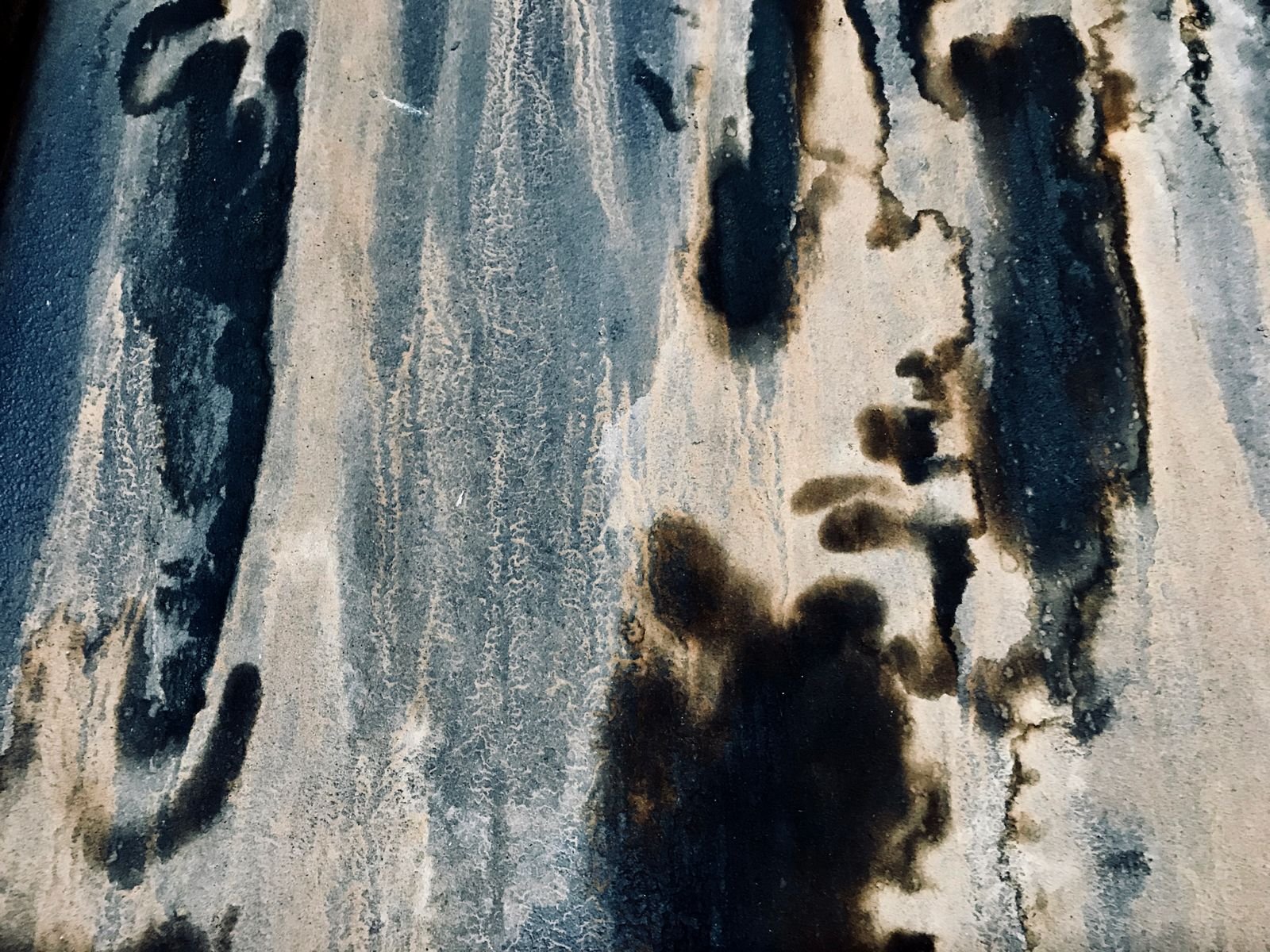
What mold prevention after water damage actually involves
Mold prevention after water damage is about closing the window of opportunity mold needs to establish — generally somewhere in the 24 to 48 hour range after material gets wet, depending on temperature, humidity, and the material itself. Fast extraction and proper drying is the single biggest prevention factor, but antimicrobial treatment adds another layer of protection on top of that.
This is a genuinely different service than mold remediation, even though people sometimes use the terms interchangeably. Mold prevention happens during and immediately after a water event, before mold has established — it's a proactive step. Mold remediation is what happens after mold is already growing, and it's a bigger, more involved process because it requires removing contaminated material, not just drying it.
We apply EPA-registered antimicrobial treatments to affected surfaces as a standard part of most water damage jobs, particularly in Category 2 and 3 water events where the contamination risk is higher, and we monitor humidity throughout drying specifically to keep conditions inhospitable for mold growth.
What this service actually covers
- Application of EPA-registered antimicrobial treatment to affected surfaces
- Extra attention to Category 2 and 3 water events specifically
- Humidity monitoring throughout drying to stay ahead of mold-favorable conditions
- Inspection for any early growth before treatment begins
- Clear flagging if a situation has already crossed into needing remediation instead
- Documentation of the prevention measures taken
Prevention treatment happens alongside cleaning and sanitizing during the standard drying window — it isn't a separate visit or timeline.
What usually leads to this
Any water event where mold hasn't yet appeared
Prevention is relevant to every single water damage job during the window before mold has a chance to establish — it's not a separate service you opt into, it's built into the response.
Delayed water damage response
The longer the gap between a leak and professional extraction, the more of that 24-48 hour prevention window gets used up before treatment even starts.
High-humidity environments
Bathrooms, basements, and other naturally humid spaces need more aggressive prevention measures since they're already closer to mold-favorable conditions before any leak happens.
Category 2 or 3 water events
Gray or black water carries more organic material and contamination, which mold and bacteria can use as a food source — these events get more thorough antimicrobial treatment as standard practice.
Porous materials that are difficult to fully dry
Insulation, some types of subfloor, and certain fabrics are harder to dry completely and benefit most from prevention treatment as a backstop.
What to look for
A water event more than 48 hours old
Past this window, treat mold as a real possibility rather than just a risk — inspection should specifically check for early growth, not just moisture.
A musty smell developing after a "resolved" leak
This is one of the more reliable early indicators that mold has started, even before visible growth appears.
Discoloration that wasn't there right after the water event
New spotting or discoloration appearing days after the original water damage is a sign prevention wasn't fully effective and remediation may now be needed instead.
Allergy or respiratory symptoms that worsen indoors
Household members noticing symptoms specifically at home, especially near a previously wet area, is worth investigating for mold.
Visible fuzzy or discolored patches on any surface
Any visible growth means prevention is no longer the relevant service — that's a remediation situation and should be assessed as one.
What happens if this doesn't get addressed
Health effects from mold exposure
Mold spores can trigger allergic reactions and respiratory issues, with higher risk for children, older adults, and anyone with asthma or a compromised immune system.
A much bigger and more expensive remediation job
Once mold establishes, addressing it means removing and disposing of contaminated material — a bigger scope than drying would have been.
Mold spreading beyond the original area
Mold spores travel through HVAC systems and air currents, meaning an established colony in one room can affect air quality elsewhere in the home.
Reduced property value and disclosure obligations
A documented mold history can affect a home's resale value and typically needs to be disclosed to future buyers.
Recurring growth without addressing the moisture source
Treating visible mold without confirming the structure is actually dry just means the same growth returns.
Prevention is woven into the standard process — the antimicrobial application happens during cleaning and sanitizing, right alongside the extraction and drying steps, not as a separate visit.
From the first call to a verified-dry home
This is the same nine-step sequence on every job, whether it's one bathroom or an entire floor — the scope changes, the process doesn't.
Inspection
We assess the source, the scope, and the water category before touching anything.
Moisture detection
Meters and thermal imaging map exactly where water has traveled, including inside walls and under floors.
Water extraction
Truck-mounted and portable extraction equipment pulls standing water fast.
Structural drying
Air movers and drying equipment target framing, subfloor, and drywall directly.
Dehumidification
Commercial dehumidifiers pull moisture out of the air so materials can actually release it.
Cleaning
Affected surfaces and belongings are cleaned as part of the drying process, not left for last.
Sanitizing
Antimicrobial treatment where the water category calls for it, to get ahead of mold and bacteria.
Repairs
Drywall, flooring, and trim replacement is coordinated once everything underneath is verified dry.
Final inspection
Moisture readings confirm the structure is back to a normal, stable level before we call it done.
Serving the greater Elk Grove & Sacramento area
Other Services
These often come up together with this job — no reason to juggle separate calls.
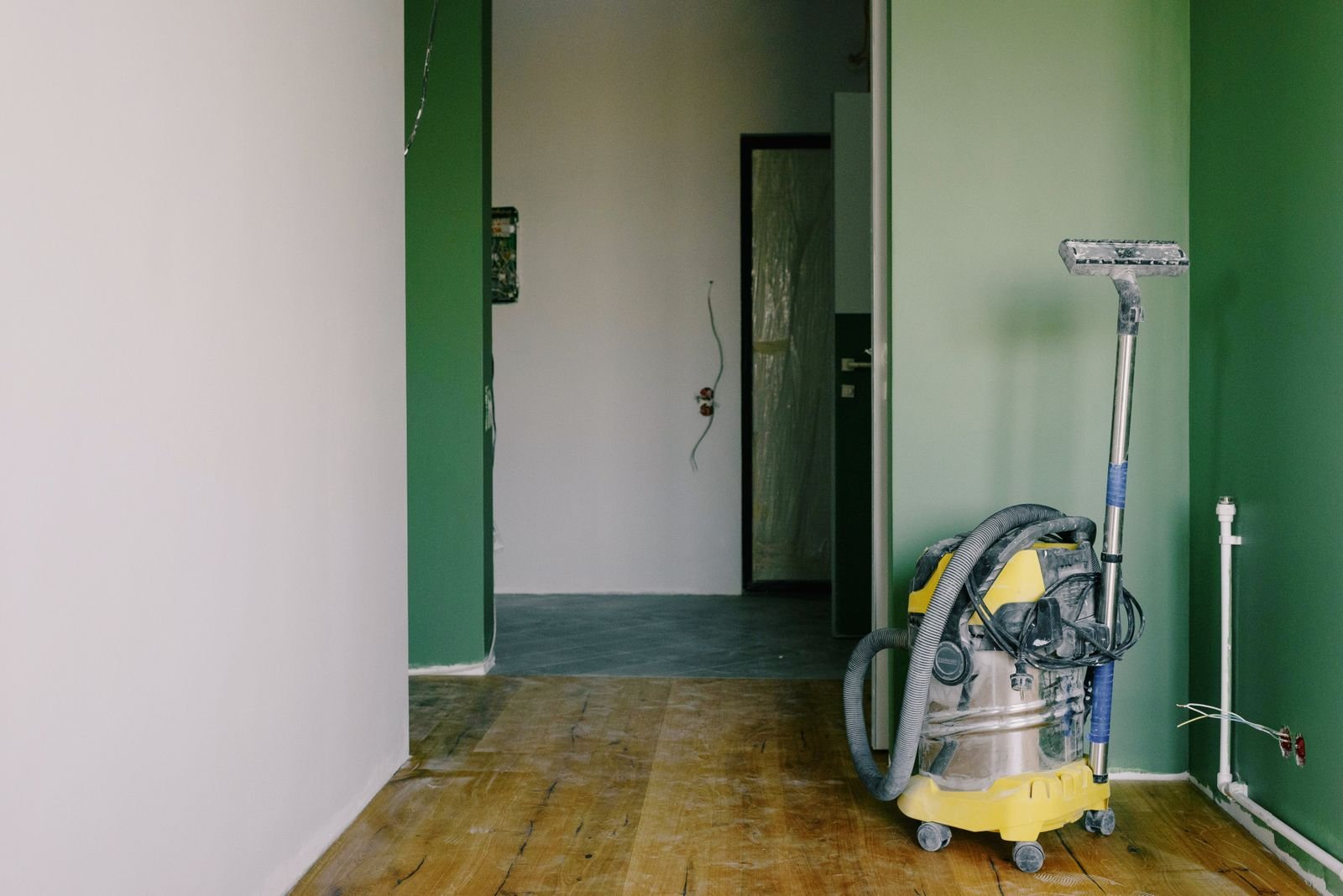
Water Damage Restoration
The full response — inspection, extraction, drying, and repair coordination — for any water event in a Sacramento County home or business.
See what's involved →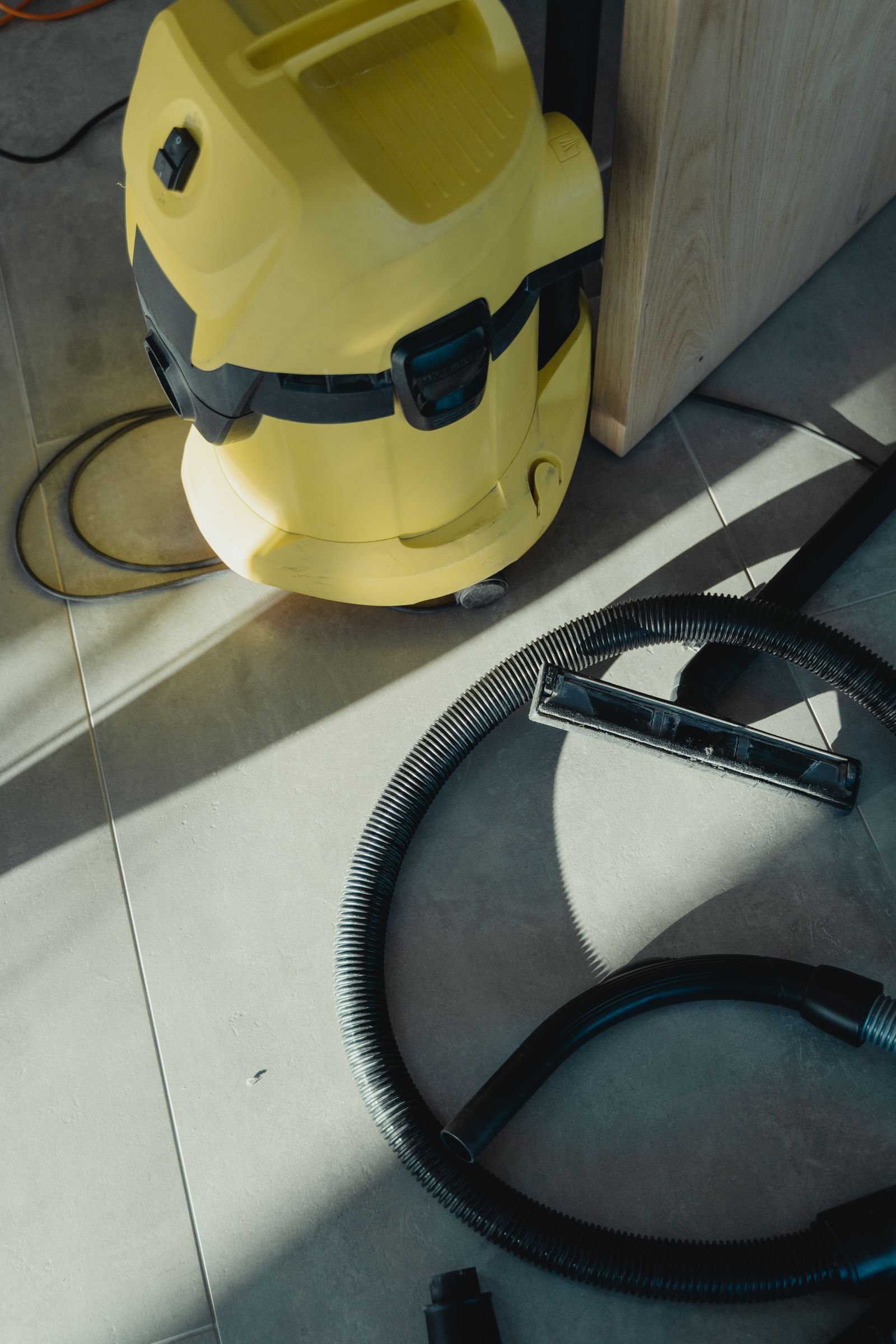
Emergency Water Removal
Fast, round-the-clock response to pull standing water out of your home before it spreads further or soaks into structural material.
See what's involved →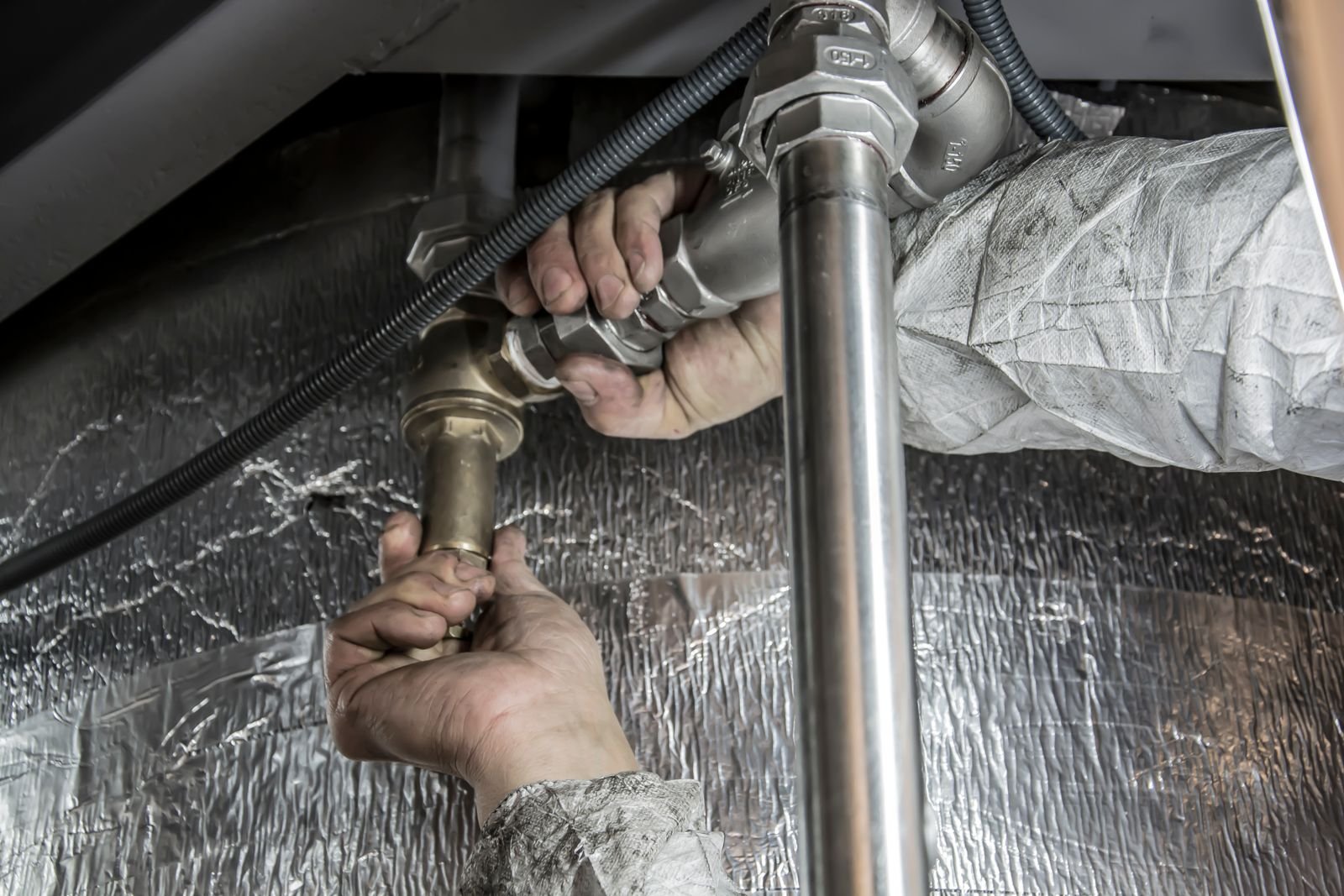
Burst Pipe Cleanup
Extraction, drying, and cleanup after a supply line or pipe failure — coordinated with your plumber, not in place of one.
See what's involved →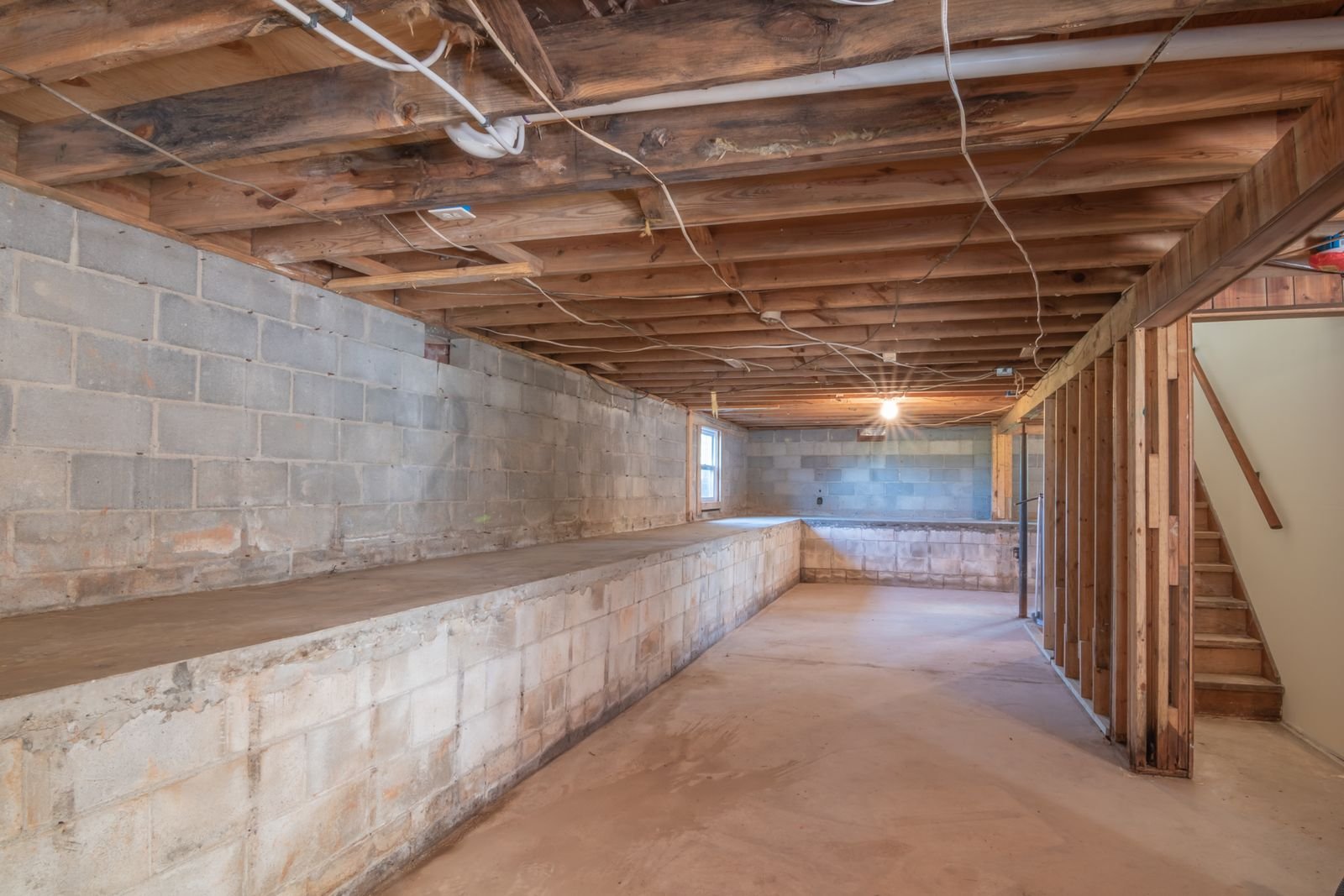
Basement Flood Cleanup
Extraction and structural drying for flooded basements, crawl spaces, and below-grade rooms — the areas most prone to trapped, lingering moisture.
See what's involved →
Flood Damage Cleanup
Cleanup and structural drying after larger-scale flooding from storms, overland water, or failed drainage — often multiple rooms or an entire floor at once.
See what's involved →
Ceiling Water Damage Repair
Drying and repair for water-stained, sagging, or leaking ceilings, usually tied to a roof leak or a plumbing failure on the floor above.
See what's involved →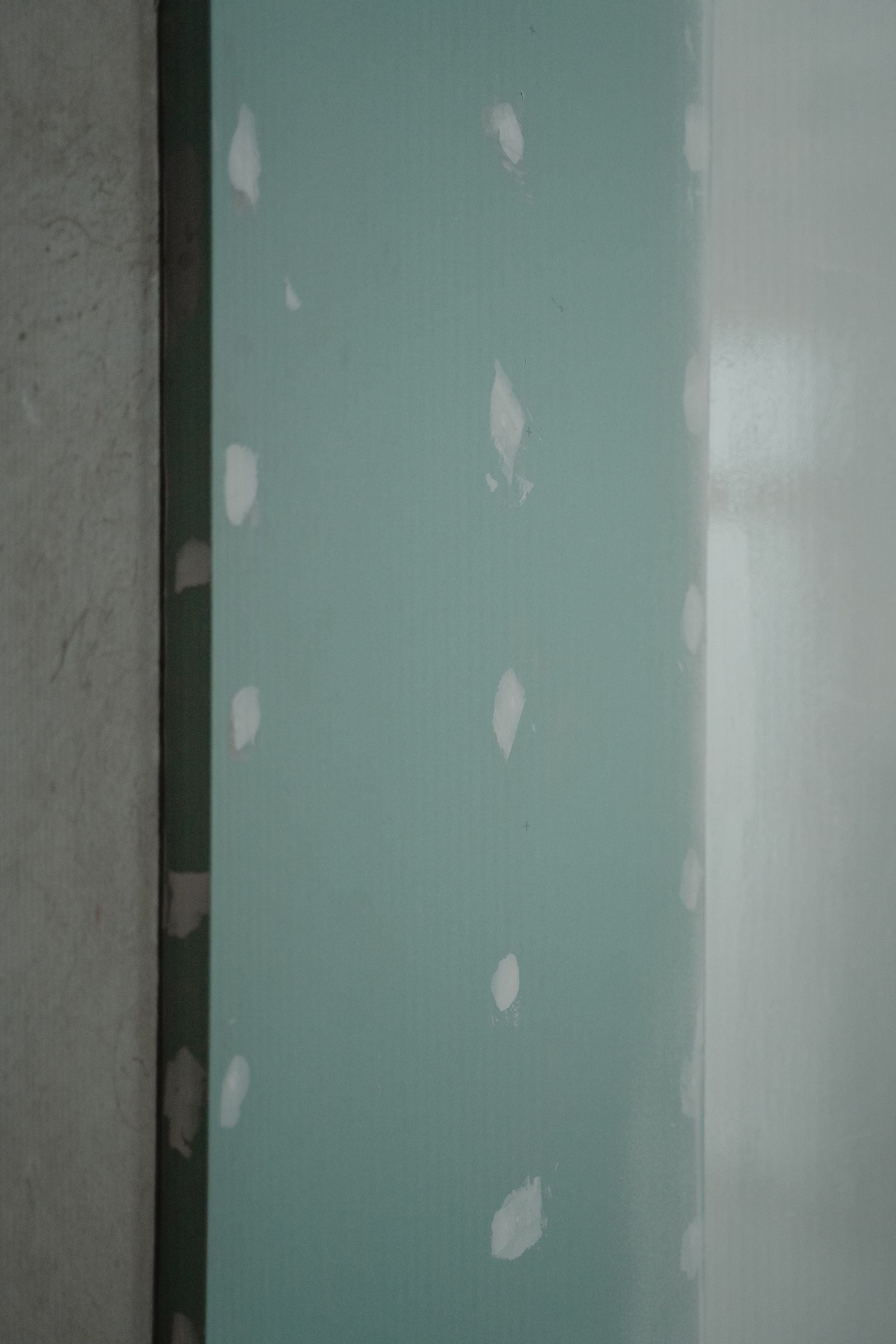
Drywall Water Damage
Assessment, drying, and replacement of drywall that's been saturated, softened, or is already showing mold — with a clear read on what can be saved.
See what's involved →
Storm Damage Restoration
Water damage cleanup after wind-driven rain, roof intrusion, or flooding tied to a Sacramento County storm event.
See what's involved →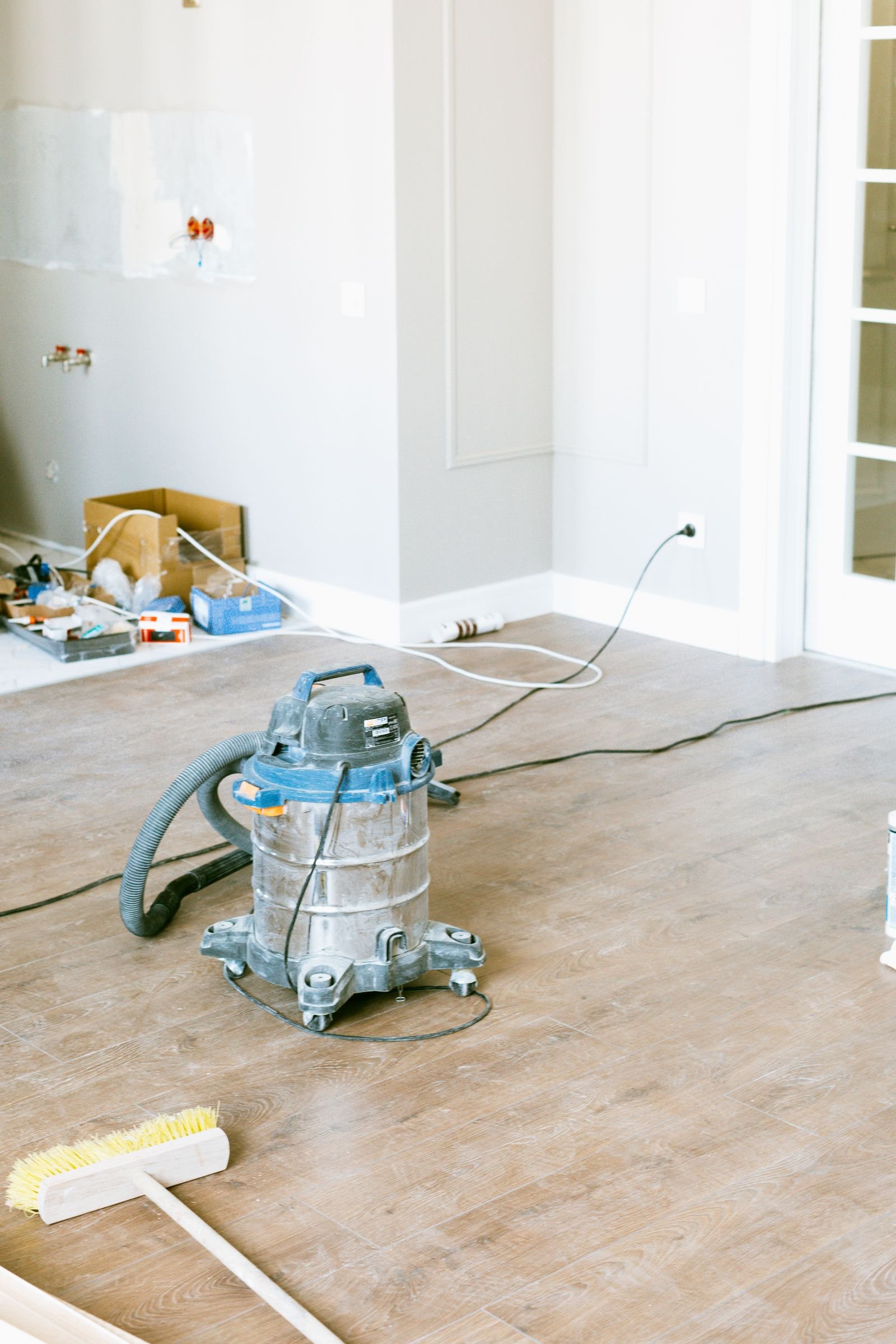
Structural Drying
Monitored, equipment-driven drying of framing, subfloor, insulation, and other structural material after any water event.
See what's involved →
Water Extraction
High-volume removal of standing water using truck-mounted and portable extraction equipment — the technical first step in any water damage response.
See what's involved →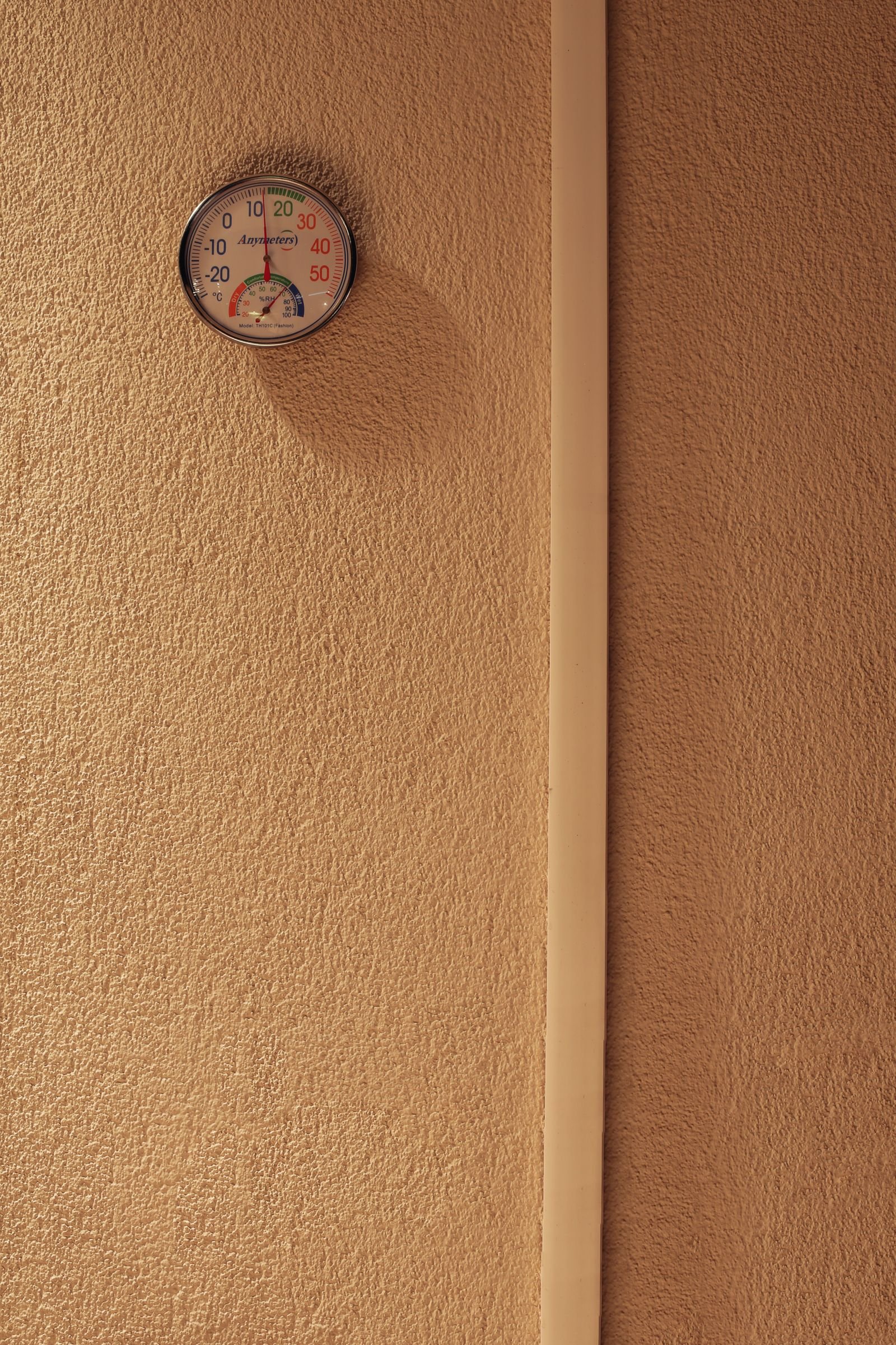
Moisture Detection
Meter and thermal-imaging inspection to find hidden moisture behind walls, under flooring, and inside cavities — before it becomes a visible problem.
See what's involved →
Dehumidification Services
Commercial-grade dehumidification to pull residual moisture out of the air and structural material after extraction — the step that actually finishes the drying job.
See what's involved →
Commercial Water Damage Restoration
Fast-response extraction and drying for offices, retail spaces, and multi-unit properties, with a real focus on minimizing downtime.
See what's involved →
Residential Water Damage Restoration
The full extraction-to-repair process, scoped specifically for single-family homes and residential properties across Sacramento County.
See what's involved →Questions About Mold Prevention After Water Damage
Prevention happens before mold establishes, focused on fast drying and antimicrobial treatment. Remediation happens after mold is already growing and involves removing contaminated material — a bigger, more involved process.
EPA-registered antimicrobial products labeled for the specific surface and water category involved — not general household cleaners.
Commonly cited as 24 to 48 hours under favorable conditions, though it varies with temperature, humidity, and material — which is exactly why fast response matters so much.
It's a standard part of the cleaning and sanitizing step in our process, particularly for Category 2 and 3 water events.
Antimicrobial treatment alone, without proper extraction and drying, isn't reliable prevention — the moisture itself has to be addressed first; the treatment is a complement to drying, not a substitute for it.
Let us know when you call — visible mold changes this from a prevention situation to one that may need remediation, and we'll assess and explain the difference on-site.
Most EPA-registered antimicrobial products used in residential settings don't require evacuation, though we'll always let you know if a specific product has any particular precautions.
No responsible restoration company can promise that with certainty — what prevention treatment and proper drying do is significantly reduce the risk by removing the conditions mold needs, which is the most effective thing that can actually be controlled.
Water spreading right now? Call first, read later.
Every hour standing water sits is an hour it soaks deeper. We answer 24/7.
Tell us what's happening
We'll call or text back quickly with next steps and, for active water events, an arrival window the same day.
Phone: (916) 634-0972
Email: help@elkgrovewaterrestoration.com
Availability: Live 24/7 — water doesn't wait for business hours