Residential Water Damage Restoration
The full extraction-to-repair process, scoped specifically for single-family homes and residential properties across Sacramento County.
What residential water damage restoration actually involves
Residential water damage restoration is the full process — inspection, extraction, drying, and repair coordination — applied specifically to single-family homes, condos, and townhomes, where the priorities are a little different than a commercial job: keeping a family safely in their home when possible, protecting personal belongings, and working around the reality that this is where people actually live, not just a property to restore.
That means communication matters as much as the technical work. Most homeowners deal with a significant water event once or twice in a lifetime, so we walk through what's happening, what the equipment is doing, and what to expect at each stage — not just show up, run machines, and leave.
We work residential water damage across every housing type in Sacramento County — 1990s and 2000s tract homes in Elk Grove, older established properties in Sacramento neighborhoods like Land Park and Curtis Park, and everything from single-story ranch homes to two-story properties with upstairs plumbing that can affect a ceiling below.
What this service actually covers
- An assessment that accounts for the home's age and construction type
- Extraction and drying that lets most families stay in the home
- Protection of furniture, belongings, and personal items during the job
- Clear, plain-language explanation of what's happening at each step
- Coordination around pets and daily routines where needed
- Full documentation to support a residential insurance claim
Most residential jobs run the standard 3–5 day drying window, with clear communication throughout about what to expect.
What usually leads to this
The full range of residential plumbing failures
Supply line breaks, water heater failures, appliance leaks, and toilet overflows are the most common residential causes, cutting across every home age and type.
Roof and storm-related intrusion
Residential roofing takes the brunt of Sacramento County's wet season, and homes of any age can develop a storm-related leak.
Slab leaks in older residential foundations
Homes on slab foundations with aging copper supply lines are a recurring residential cause, especially in properties now 15-plus years old.
Sewer backups affecting living spaces
A residential sewer backup typically shows up first in a bathroom or laundry area — the lowest drains in the home.
HVAC and water heater failures
Both are common, high-volume residential failure points, often located in a garage, closet, or attic where a leak isn't immediately obvious.
What to look for
Any of the standard water damage warning signs
Musty odors, water stains, warped flooring, and unexplained water bill increases all apply directly to residential properties and are worth acting on quickly.
Family members reporting allergy-like symptoms at home
Symptoms that seem to worsen specifically at home can be an early indicator of a moisture or mold issue worth investigating.
Pet behavior changes near a specific area
Pets sometimes avoid or show unusual interest in an area with hidden moisture before it's obvious to people — not a reliable signal on its own, but worth noting.
Increased utility bills without a clear reason
A jump in the water bill specifically, without a change in household usage, is one of the more common residential tells of a hidden leak.
Visible damage after a DIY renovation uncovers it
It's not uncommon for a homeowner to discover old, previously unknown water damage while doing an unrelated renovation project.
What happens if this doesn't get addressed
Health risks to household members
Mold and contaminated water pose real health risks, with children, older adults, and anyone with respiratory conditions at higher risk.
Damage to personal belongings
Furniture, keepsakes, documents, and other belongings are often harder to replace than the structure itself, which is part of why fast response matters for residential jobs specifically.
Disruption to daily life
A prolonged water damage situation affects a family's actual living space, not just a property — the goal is always resolving it as quickly and completely as possible to minimize that disruption.
Reduced home value
Unresolved or poorly documented water damage history can affect a home's resale value and requires disclosure to future buyers.
Insurance claim complications
Homeowners policies have specific expectations around prompt action and documentation — understanding this upfront helps avoid claim disputes later.
The residential process follows the same nine steps as any water damage job, with extra attention to communication and working around a family's daily life throughout.
From the first call to a verified-dry home
This is the same nine-step sequence on every job, whether it's one bathroom or an entire floor — the scope changes, the process doesn't.
Inspection
We assess the source, the scope, and the water category before touching anything.
Moisture detection
Meters and thermal imaging map exactly where water has traveled, including inside walls and under floors.
Water extraction
Truck-mounted and portable extraction equipment pulls standing water fast.
Structural drying
Air movers and drying equipment target framing, subfloor, and drywall directly.
Dehumidification
Commercial dehumidifiers pull moisture out of the air so materials can actually release it.
Cleaning
Affected surfaces and belongings are cleaned as part of the drying process, not left for last.
Sanitizing
Antimicrobial treatment where the water category calls for it, to get ahead of mold and bacteria.
Repairs
Drywall, flooring, and trim replacement is coordinated once everything underneath is verified dry.
Final inspection
Moisture readings confirm the structure is back to a normal, stable level before we call it done.
Serving the greater Elk Grove & Sacramento area
Other Services
These often come up together with this job — no reason to juggle separate calls.
Water Damage Restoration
The full response — inspection, extraction, drying, and repair coordination — for any water event in a Sacramento County home or business.
See what's involved →
Emergency Water Removal
Fast, round-the-clock response to pull standing water out of your home before it spreads further or soaks into structural material.
See what's involved →
Burst Pipe Cleanup
Extraction, drying, and cleanup after a supply line or pipe failure — coordinated with your plumber, not in place of one.
See what's involved →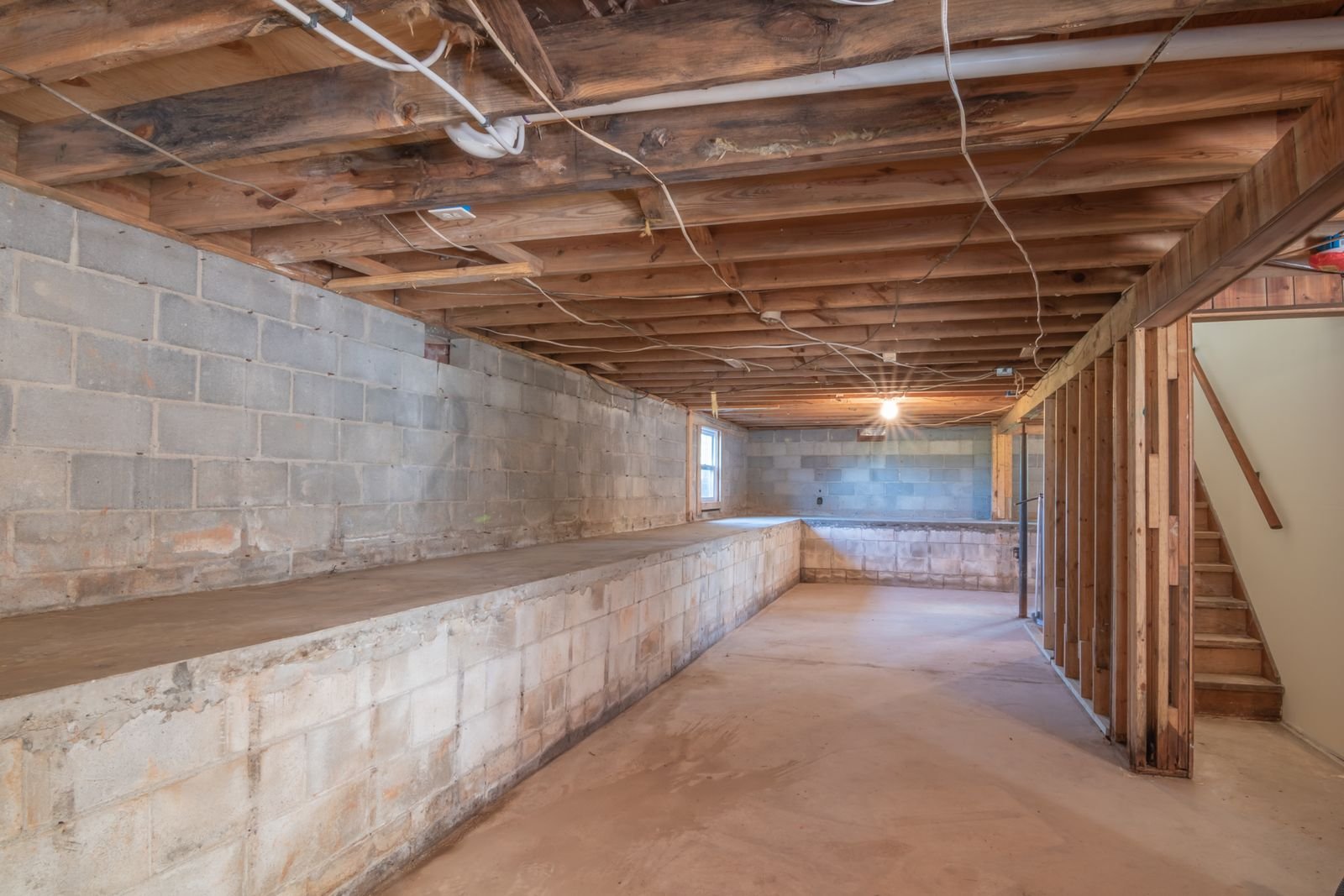
Basement Flood Cleanup
Extraction and structural drying for flooded basements, crawl spaces, and below-grade rooms — the areas most prone to trapped, lingering moisture.
See what's involved →
Flood Damage Cleanup
Cleanup and structural drying after larger-scale flooding from storms, overland water, or failed drainage — often multiple rooms or an entire floor at once.
See what's involved →
Ceiling Water Damage Repair
Drying and repair for water-stained, sagging, or leaking ceilings, usually tied to a roof leak or a plumbing failure on the floor above.
See what's involved →
Drywall Water Damage
Assessment, drying, and replacement of drywall that's been saturated, softened, or is already showing mold — with a clear read on what can be saved.
See what's involved →
Storm Damage Restoration
Water damage cleanup after wind-driven rain, roof intrusion, or flooding tied to a Sacramento County storm event.
See what's involved →
Structural Drying
Monitored, equipment-driven drying of framing, subfloor, insulation, and other structural material after any water event.
See what's involved →
Water Extraction
High-volume removal of standing water using truck-mounted and portable extraction equipment — the technical first step in any water damage response.
See what's involved →
Moisture Detection
Meter and thermal-imaging inspection to find hidden moisture behind walls, under flooring, and inside cavities — before it becomes a visible problem.
See what's involved →
Dehumidification Services
Commercial-grade dehumidification to pull residual moisture out of the air and structural material after extraction — the step that actually finishes the drying job.
See what's involved →
Mold Prevention After Water Damage
Antimicrobial treatment and monitored drying aimed at stopping mold before it has a chance to establish — the difference between a drying job and a remediation job.
See what's involved →
Commercial Water Damage Restoration
Fast-response extraction and drying for offices, retail spaces, and multi-unit properties, with a real focus on minimizing downtime.
See what's involved →Questions About Residential Water Damage Restoration
In most cases, yes — we work to keep the rest of the home functional while equipment runs in the affected area, and we'll tell you clearly if a specific room needs to be off-limits.
We move what we can out of the affected area before extraction and drying begin, and flag anything that needs separate assessment, like upholstered furniture or documents.
The core process is the same, but older homes often need more attention to aging plumbing and original materials, while newer homes tend to have more standardized construction that's easier to assess quickly.
Let us know when scheduling — we can plan around keeping pets away from equipment and treated areas as needed.
It varies by scope, but most residential jobs let a household continue functioning largely as normal, with the affected room or area off-limits while equipment runs.
We're not insurance agents, but we can help you understand what documentation we're providing and how it typically supports a residential water damage claim.
Yes — we regularly work with homeowners who discover damage after returning from travel, and can coordinate remotely if needed until you're back.
If it's safe, stop the water source, then call — the sooner extraction and drying start, the more of your home and belongings are likely to be fully salvageable.
Water spreading right now? Call first, read later.
Every hour standing water sits is an hour it soaks deeper. We answer 24/7.
Tell us what's happening
We'll call or text back quickly with next steps and, for active water events, an arrival window the same day.
Phone: (916) 634-0972
Email: help@elkgrovewaterrestoration.com
Availability: Live 24/7 — water doesn't wait for business hours