Water Damage Restoration
The full response — inspection, extraction, drying, and repair coordination — for any water event in a Sacramento County home or business.
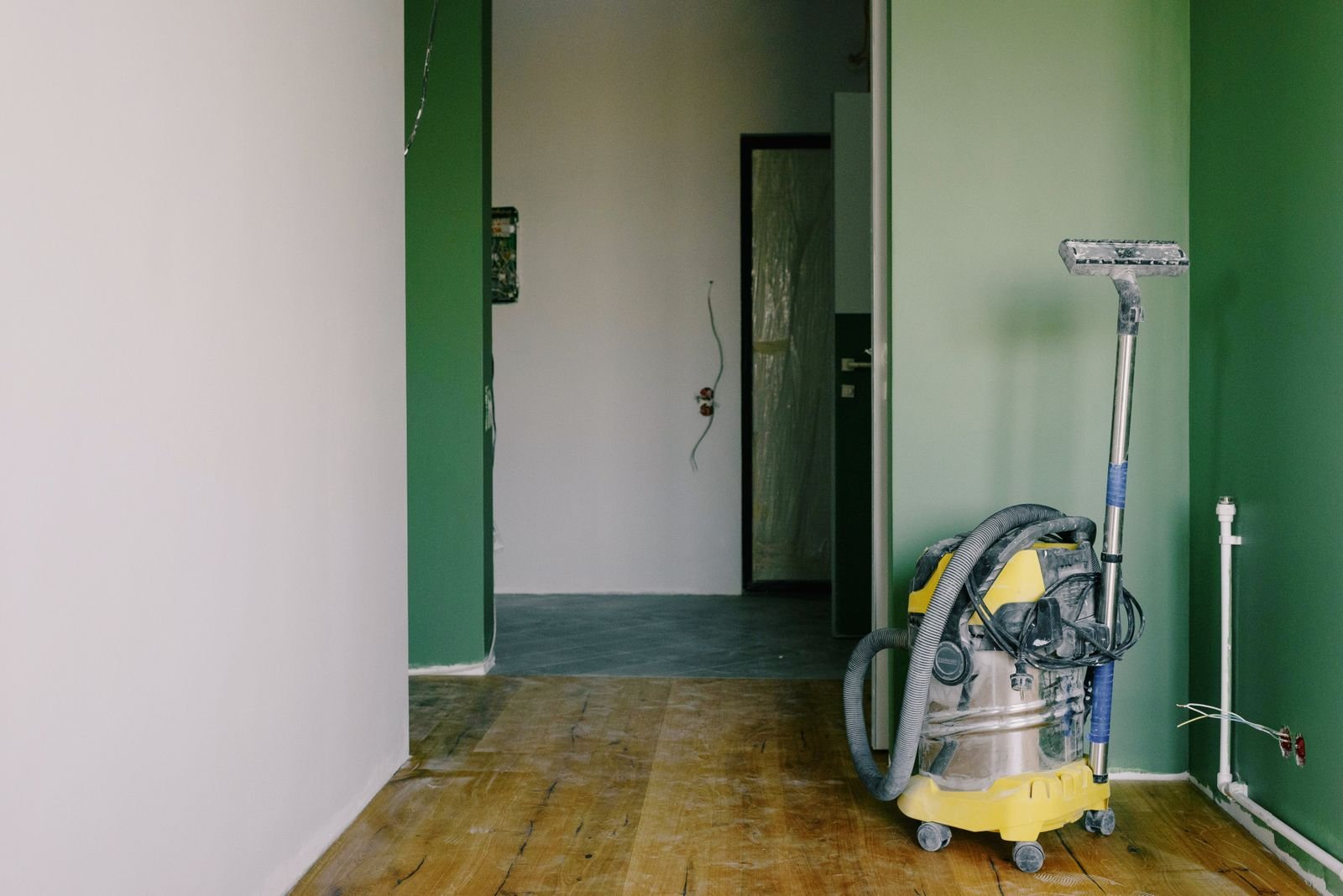
What water damage restoration actually involves
Water damage restoration is the process of removing standing water from a home, drying out everything the water touched, and bringing the structure back to a safe, stable condition before mold, rot, or structural problems have a chance to set in. It covers everything from a single soaked room after a washing machine hose let go to a whole first floor after a slab leak ran unnoticed for days.
The job isn't just running a wet vac and setting out a few fans. It's a sequence: find out how much water is actually involved and where it went, pull out what can't be dried, extract the rest, and then use commercial dehumidification and directed airflow to pull moisture out of framing, subfloor, and drywall before it becomes a bigger problem than the original leak.
We run this process across Elk Grove, Sacramento, and the surrounding communities every week, on everything from new-construction homes off Bruceville Road to older Sacramento properties with plumbing that's been in the wall since the 1970s. The approach changes with the house — the process doesn't.
What this service actually covers
- Full-property inspection and water category classification
- High-volume water extraction from every affected area
- Moisture mapping of walls, floors, and ceilings
- Structural drying with commercial air movers and dehumidifiers
- Antimicrobial treatment where the water category calls for it
- Repair coordination for drywall, flooring, and trim
- Photo and moisture-log documentation for your insurance claim
Most residential jobs run 3–5 days of extraction and monitored drying, start to finish — larger losses or below-grade spaces can take longer.
What usually leads to this
Broken or burst supply lines
The flexible lines feeding a washing machine, dishwasher, ice maker, or toilet are usually the weakest link in a home's plumbing — they're rated for years, not decades, and a lot of homeowners never think to check them.
Water heater failure
Tank water heaters run 8–12 years before the tank itself starts to corrode from the inside. When it goes, it doesn't leak slowly — it can dump 40–50 gallons onto a garage or closet floor in a hurry.
Overflowing toilets and fixtures
A clogged line, a bad fill valve, or a stuck flapper can overflow a toilet in minutes, and if nobody's home to catch it, that water finds its way into the subfloor and sometimes the ceiling below.
Roof leaks and storm intrusion
Sacramento County's wet season runs roughly November through March, and a roof that was fine in August can leak the first time a real atmospheric river system rolls through if flashing or shingles were already marginal.
Slab leaks
A lot of Elk Grove and Sacramento homes sit on slab foundations with copper supply lines running underneath. When one of those lines corrodes or shifts, water can seep up through the slab for weeks before anyone notices a warm spot on the floor or a spike in the water bill.
Sewer and drain backups
Tree roots, grease buildup, or a municipal line issue can push wastewater back into a home through the lowest drain — usually a shower stall or floor drain — and this is the one category of water damage where the water itself is a health hazard from the start.
Appliance and HVAC failures
Refrigerator supply lines, HVAC condensate lines, and water softeners all fail quietly — a slow drip behind or under an appliance can run for weeks before it's visible.
What to look for
Musty or earthy odor
That smell is usually microbial volatile organic compounds — a byproduct of mold and bacteria that are already growing somewhere damp, even if you can't see it yet.
Warped or cupped flooring
Hardwood that's cupping at the edges of each board, or laminate that's lifting at the seams, means moisture has already gotten underneath it.
Bubbling or peeling paint
Paint bubbles when moisture gets trapped behind it and pushes the film away from the drywall or plaster underneath.
Water stains on walls or ceilings
A yellow-brown ring is old, dried mineral residue; a soft, spreading dark patch usually means the source is still active.
Visible mold growth
Mold can start colonizing damp material in as little as 24–48 hours, so visible growth on drywall, baseboards, or grout usually means moisture has been present longer than that.
Sagging or soft drywall
Drywall loses its structural integrity when it absorbs water — if a section feels soft or spongy to the touch, or is visibly bowing, it has likely already failed and needs to come out.
A higher water bill with no clear reason
An unexplained jump in usage is one of the most common tells of a slab leak or a running fixture nobody's noticed yet.
Cracks or soft spots in flooring or foundation
New cracks in tile, drywall corners, or a slab, or a spot in the floor that feels soft underfoot, can point to water undermining the structure below.
What happens if this doesn't get addressed
Structural damage
Wood framing, subfloor, and joists absorb water and begin to weaken; left long enough, saturated wood can rot and lose load-bearing strength.
Mold growth
Once mold establishes itself in wet drywall or insulation, removing it usually means removing and replacing the material — a much bigger job than drying it out would have been.
Electrical hazards
Water intrusion near outlets, panels, or in-wall wiring is a real shock and fire risk, and power to an affected area often needs to stay off until it's inspected.
Health risks
Mold spores and, in category 2 or 3 water events, bacteria and contaminants can trigger allergic reactions and respiratory issues, especially for kids, older adults, and anyone with asthma.
Wood rot
Framing and subfloor that stay wet for an extended period can develop dry rot or wet rot, which compromises the wood permanently even after the area is dried.
Insurance complications
Most homeowners policies require "reasonable steps" to prevent further damage once a leak is discovered — waiting too long to address visible water damage can give an insurer grounds to deny part of a claim.
For a full water damage event, the sequence below is the same one we run whether it's one bathroom or an entire first floor — the scope changes, the steps don't.
From the first call to a verified-dry home
This is the same nine-step sequence on every job, whether it's one bathroom or an entire floor — the scope changes, the process doesn't.
Inspection
We assess the source, the scope, and the water category before touching anything.
Moisture detection
Meters and thermal imaging map exactly where water has traveled, including inside walls and under floors.
Water extraction
Truck-mounted and portable extraction equipment pulls standing water fast.
Structural drying
Air movers and drying equipment target framing, subfloor, and drywall directly.
Dehumidification
Commercial dehumidifiers pull moisture out of the air so materials can actually release it.
Cleaning
Affected surfaces and belongings are cleaned as part of the drying process, not left for last.
Sanitizing
Antimicrobial treatment where the water category calls for it, to get ahead of mold and bacteria.
Repairs
Drywall, flooring, and trim replacement is coordinated once everything underneath is verified dry.
Final inspection
Moisture readings confirm the structure is back to a normal, stable level before we call it done.
Serving the greater Elk Grove & Sacramento area
Other Services
These often come up together with this job — no reason to juggle separate calls.
Water Damage Restoration
The full response — inspection, extraction, drying, and repair coordination — for any water event in a Sacramento County home or business.
See what's involved →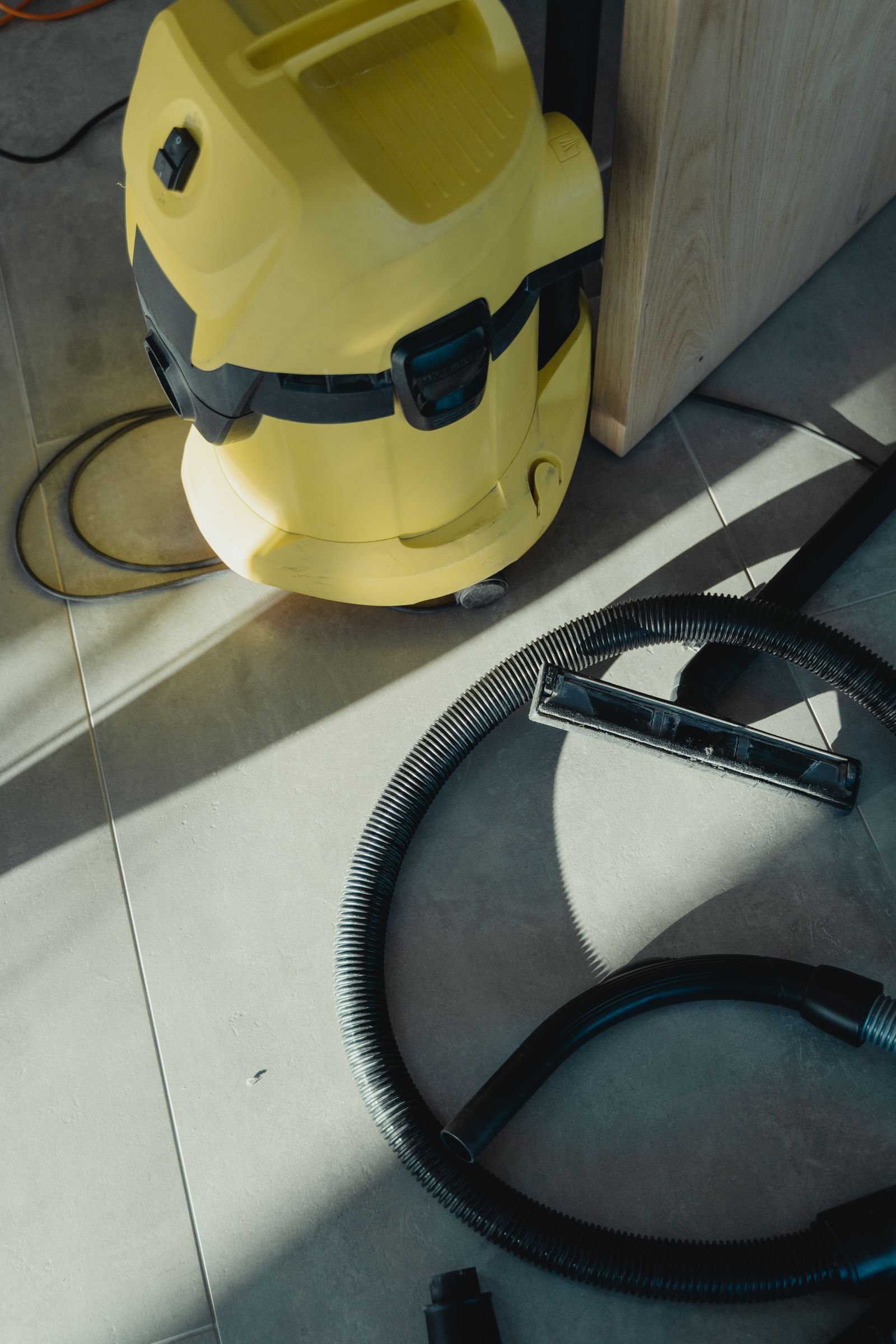
Emergency Water Removal
Fast, round-the-clock response to pull standing water out of your home before it spreads further or soaks into structural material.
See what's involved →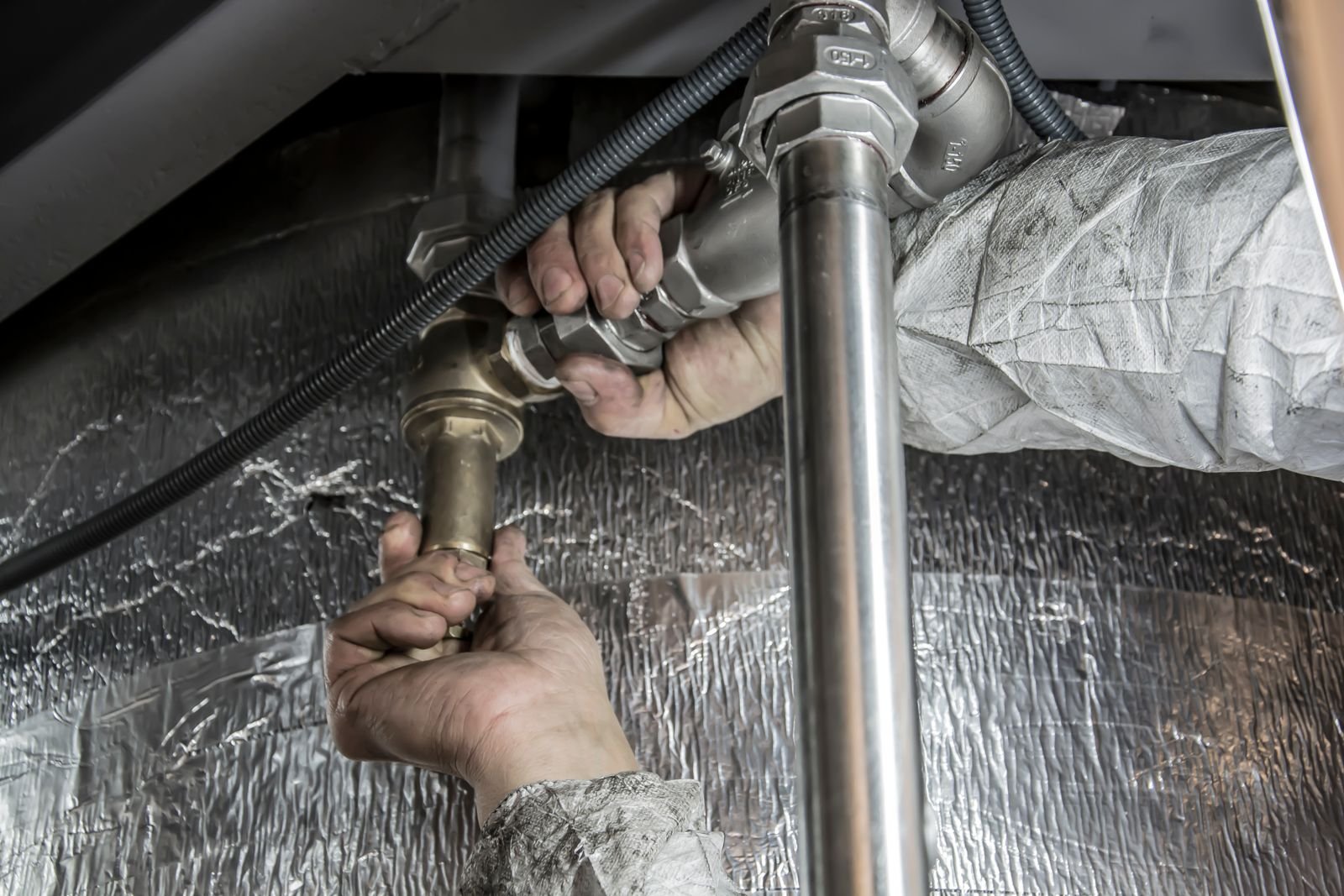
Burst Pipe Cleanup
Extraction, drying, and cleanup after a supply line or pipe failure — coordinated with your plumber, not in place of one.
See what's involved →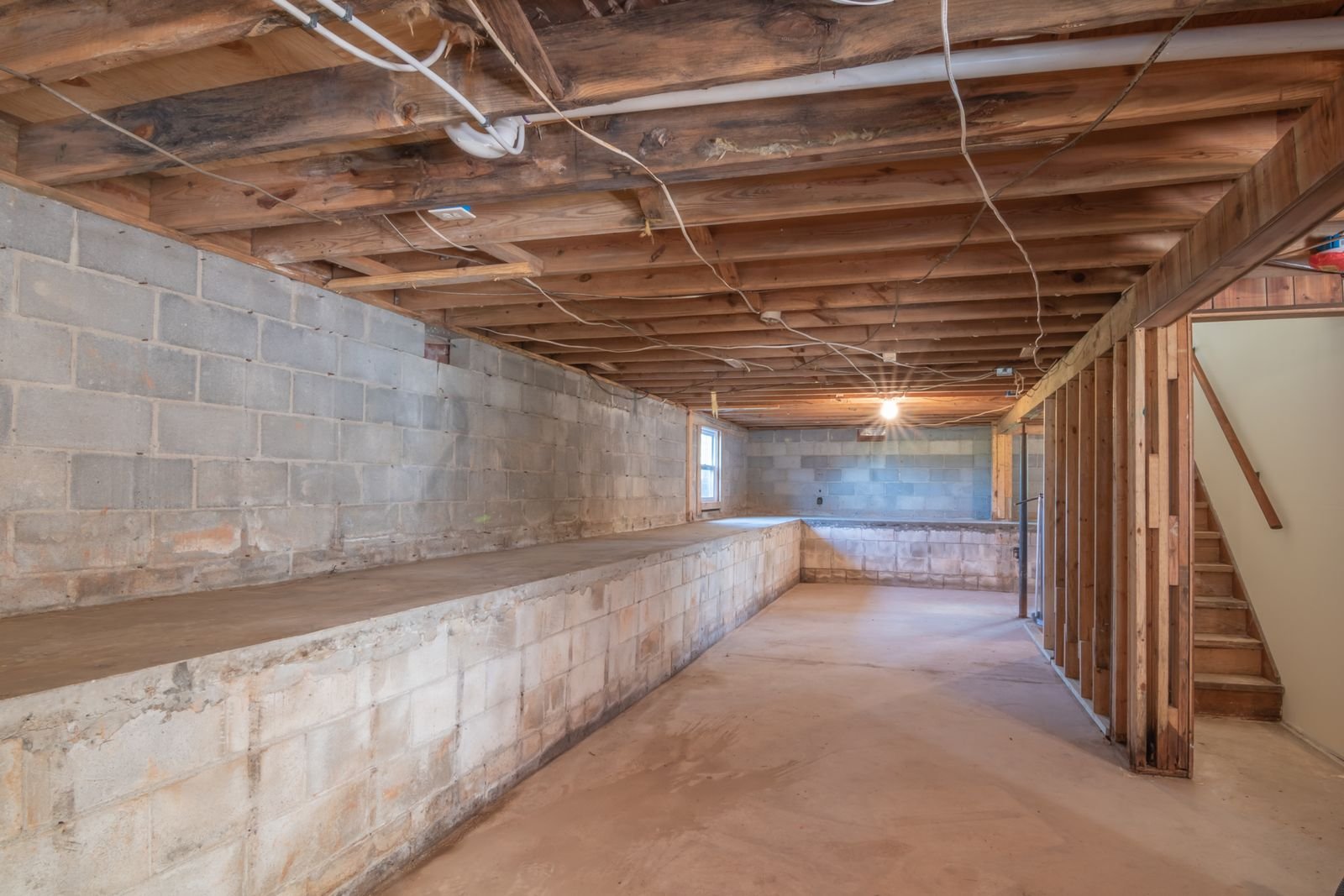
Basement Flood Cleanup
Extraction and structural drying for flooded basements, crawl spaces, and below-grade rooms — the areas most prone to trapped, lingering moisture.
See what's involved →
Flood Damage Cleanup
Cleanup and structural drying after larger-scale flooding from storms, overland water, or failed drainage — often multiple rooms or an entire floor at once.
See what's involved →
Ceiling Water Damage Repair
Drying and repair for water-stained, sagging, or leaking ceilings, usually tied to a roof leak or a plumbing failure on the floor above.
See what's involved →
Drywall Water Damage
Assessment, drying, and replacement of drywall that's been saturated, softened, or is already showing mold — with a clear read on what can be saved.
See what's involved →
Storm Damage Restoration
Water damage cleanup after wind-driven rain, roof intrusion, or flooding tied to a Sacramento County storm event.
See what's involved →
Structural Drying
Monitored, equipment-driven drying of framing, subfloor, insulation, and other structural material after any water event.
See what's involved →
Water Extraction
High-volume removal of standing water using truck-mounted and portable extraction equipment — the technical first step in any water damage response.
See what's involved →
Moisture Detection
Meter and thermal-imaging inspection to find hidden moisture behind walls, under flooring, and inside cavities — before it becomes a visible problem.
See what's involved →
Dehumidification Services
Commercial-grade dehumidification to pull residual moisture out of the air and structural material after extraction — the step that actually finishes the drying job.
See what's involved →
Mold Prevention After Water Damage
Antimicrobial treatment and monitored drying aimed at stopping mold before it has a chance to establish — the difference between a drying job and a remediation job.
See what's involved →
Commercial Water Damage Restoration
Fast-response extraction and drying for offices, retail spaces, and multi-unit properties, with a real focus on minimizing downtime.
See what's involved →
Residential Water Damage Restoration
The full extraction-to-repair process, scoped specifically for single-family homes and residential properties across Sacramento County.
See what's involved →Questions About Water Damage Restoration
We run emergency response across Elk Grove, Sacramento, and the surrounding communities and prioritize active water events — call as soon as you find standing water, day or night, and we'll get someone moving.
Most policies cover sudden and accidental water damage — a burst pipe or appliance failure, for example — but typically exclude gradual leaks or flooding from an outside water source. We document everything with photos and moisture readings to support your claim either way.
Usually not. Most residential jobs let you stay in the home while drying equipment runs in the affected rooms, though we'll always tell you upfront if a specific area needs to be closed off.
A typical structural drying job runs 3–5 days with equipment running continuously, but it depends on how much material got wet, what it's made of, and how long the water sat before we arrived.
Water damage restoration removes the water and dries the structure before mold has a chance to establish. Mold remediation is a separate process for removing mold that's already growing — the faster restoration happens, the less likely remediation becomes necessary.
Yes — we document the loss with photos, moisture logs, and a scope of work that your adjuster can use, and we're used to coordinating directly with Sacramento-area insurers.
It depends on the source. Clean water from a supply line is lowest risk; water that's been sitting, or that comes from a sewer backup or storm intrusion, is treated as contaminated and handled differently — see our Water Damage Severity Checker below for the actual classification system we use.
If it's safe to do so, shut off the water source, move valuables and electronics out of the affected area, and avoid stepping in standing water near outlets or a breaker panel. Don't run a household vacuum on standing water.
Yes — we work with homeowners across Sacramento County as well as property managers, landlords, and commercial spaces that need a fast response to limit downtime.
Call a plumber to stop an active leak at the source. Call us for everything the water touched on the way out — the extraction, drying, and structural side of the job is what prevents a plumbing repair from turning into a much bigger renovation.
Water spreading right now? Call first, read later.
Every hour standing water sits is an hour it soaks deeper. We answer 24/7.
Tell us what's happening
We'll call or text back quickly with next steps and, for active water events, an arrival window the same day.
Phone: (916) 778-3228
Email: help@elkgrovewaterrestoration.com
Availability: Live 24/7 — water doesn't wait for business hours